ABC Editorial Shift Sparks Alarm
ABC Editorial Shift Sparks Alarm
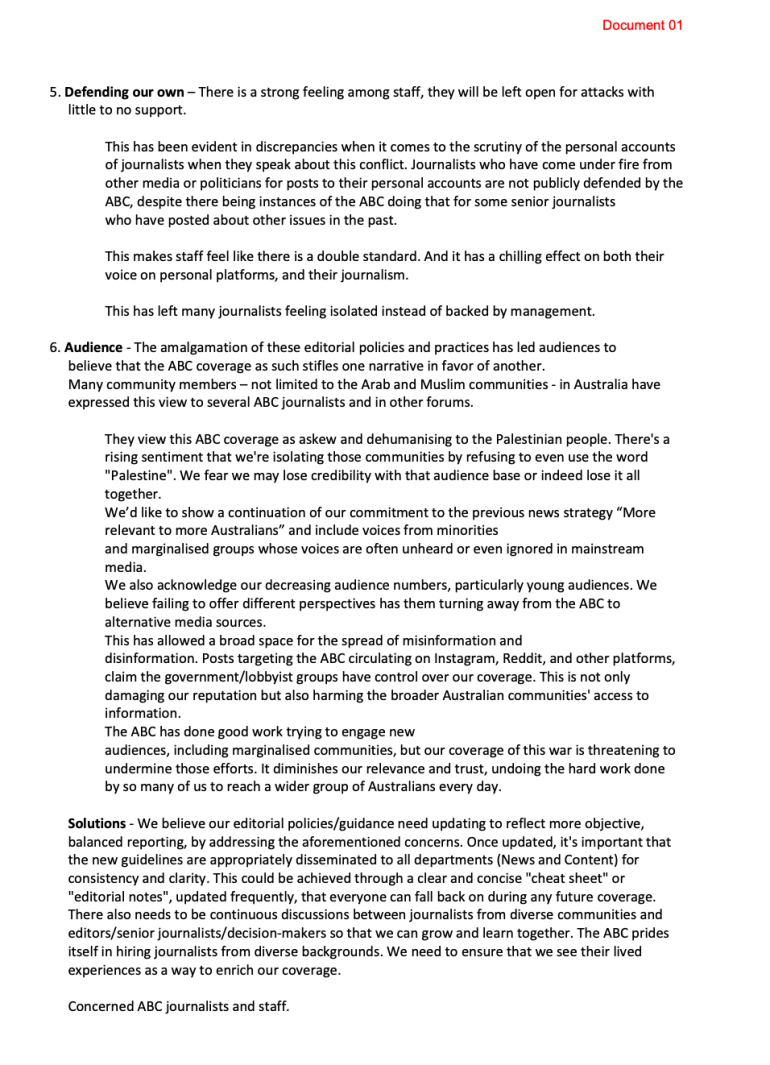
When a public broadcaster changes editorial policy after a high-profile backlash, the signal is bigger than the incident. It tells editors, journalists, and audiences that pressure now travels faster than process, and that newsroom independence can be tested by outrage as much as by politics. The ABC editorial policy controversy has become a live case study in how institutions respond when powerful figures, advocates, and academics accuse them of overreach, bias, or timidity. For anyone watching media governance, this is not a niche internal memo fight. It is a stress test for how public-interest journalism protects its credibility while navigating reputational risk, legal scrutiny, and competing demands for fairness.
- The ABC editorial policy controversy is really about institutional independence, not just one dispute.
- Policy changes after public pressure can create a chilling effect if not handled carefully.
- Transparency and clear editorial standards matter more when trust is already under strain.
- The stakes extend beyond one broadcaster to the broader future of public media.
Why the ABC editorial policy controversy matters
The ABC editorial policy controversy lands at a moment when newsrooms are under relentless pressure to prove they are both independent and accountable. That balance is hard enough on a normal day. Add a prominent political donor, a furious public debate, and criticism from academics and advocates, and the line between editorial judgment and institutional self-protection gets blurry fast. For a broadcaster that depends on public trust, even the perception of being influenced can be damaging. That is why the response matters almost as much as the original decision.
This is not just about one story or one policy tweak. It is about whether editorial standards can remain stable when external outrage becomes a lever. If policy is rewritten in reaction to a single controversy, editors may begin to anticipate pressure rather than apply principle. That is how guardrails weaken: not with a dramatic collapse, but through incremental adjustments that slowly narrow the space for tough reporting.
What changed and why it set off alarms
The policy shift, prompted by the Rinehart furore, has drawn concern because it appears to many observers to be a response shaped by controversy rather than by a long-planned editorial review. That alone does not make it wrong. Media organizations update standards all the time. But timing is everything. If a newsroom changes rules immediately after a powerful subject of coverage objected, critics will ask whether the broadcaster is protecting its journalism or avoiding future conflict.
Public broadcasters face an especially punishing standard. They are expected to serve everyone, offend no one, and still publish hard truths. That is impossible in practice. The only way to get close is through visible, principled process. When that process becomes opaque, suspicion grows. Academics tend to worry about precedent. Advocates worry about asymmetry of power. Editors worry about whether they have created a new opening for pressure campaigns.
When a newsroom revises policy under fire, the key question is not whether change is allowed. It is whether the change strengthens judgment or simply institutionalizes fear.
The risk of reactive journalism policy
Reactive policy-making is tempting because it promises immediate relief. If a complaint produces outrage, adjust the rule and the outrage might fade. But journalism does not work like a customer service queue. Editorial decisions need consistency, not improvisation. If each major controversy triggers a fresh rewrite, the newsroom can end up with a patchwork of exceptions, caveats, and unofficial norms that are harder to defend than the original policy.
That risk is especially acute in public media, where every rule can become a political talking point. A policy intended to clarify fairness can be reframed as appeasement. A transparency move can be spun as capitulation. Once that narrative takes hold, it is difficult to dislodge, even if the underlying editorial logic is sound.
ABC editorial policy controversy and the trust problem
Trust is the ABC’s most important asset and its most fragile one. Readers and viewers usually do not inspect editorial manuals. They infer integrity from consistency. If the ABC looks steady under pressure, audiences assume its processes are robust. If it looks like it is shifting ground after a public row, audiences infer vulnerability. That perception can be more corrosive than the actual policy change.
The trust problem is structural: once audiences believe a broadcaster is either too rigid or too pliable, every future decision gets filtered through that suspicion. This is why editorial policy is never just an internal document. It is a public contract, even when the public never reads it. And once that contract is questioned, restoring confidence takes far longer than drafting the revised language.
What academics and advocates are really warning about
The criticisms from academics and advocates are not simply about tone or ideology. They are warning about precedent. If one well-connected subject of reporting can trigger a policy change, what happens when the next controversy arrives? Does the newsroom stand its ground, or does it begin negotiating its standards in public?
That is the core concern around overreach. Not government censorship. Not formal interference. Something more subtle and, arguably, more dangerous for modern media: the internalization of external pressure. Once a newsroom starts making policy with one eye on the loudest critics, it risks losing the confidence to publish stories that matter most.
How public broadcasters should respond
The best response to the ABC editorial policy controversy is not defensiveness. It is clarity. Public broadcasters need editorial systems that can withstand scrutiny without looking arbitrary. That means explaining what changed, why it changed, and what principle sits underneath the revision. If a policy is meant to improve fairness, say so explicitly. If it is meant to clarify language around conflicts or sourcing, spell that out. Ambiguity is the enemy here.
There is also a practical lesson for news executives: policy updates should be tied to process, not personalities. Internal reviews, documented standards, and independent sign-off can help prevent the impression that one controversy has dictated the outcome. The more a broadcaster can show that it has a repeatable method, the less likely it is to look captured by the latest storm.
- Publish the rationale behind any editorial change in plain language.
- Separate dispute resolution from policy-making whenever possible.
- Use internal review panels to reduce the impression of ad hoc decisions.
- Track whether policy changes improve reporting quality, not just public relations.
- Revisit standards on a schedule, not only after a crisis.
Pro tip for newsroom leaders
If a policy revision follows a controversy, document the chain of reasoning like a legal brief. Editors should be able to answer three questions without hesitation: What problem existed, what evidence justified the change, and how will the newsroom know the new rule is working? If those answers are fuzzy, the policy is probably too reactive to survive the next dispute.
What this means for media independence
The bigger story here is media independence under pressure. Public broadcasters are often expected to absorb criticism gracefully while continuing to report aggressively. That tension will only intensify as audience polarization increases and institutions are judged in real time on social platforms. The ABC editorial policy controversy shows how quickly an internal governance issue can become a symbolic battle over the future of public service journalism.
For journalists, the danger is not just censorship from above. It is self-censorship from within. When staff sense that certain topics may trigger policy reversals or executive discomfort, they may begin to avoid the sharpest questions. That is the quiet cost of overcorrection. A newsroom can remain formally independent and still become less fearless.
Editorial independence is not proven by slogans. It is proven when a broadcaster can withstand criticism without rewriting its standards to match the loudest complaint.
The broader industry lesson
Every media organization, from legacy broadcasters to digital natives, is facing the same underlying problem: how to govern trust in an era of permanent scrutiny. The ABC editorial policy controversy is a reminder that process matters as much as output. Readers may never see the draft policy, but they can sense when a newsroom is governed by principle versus panic.
That is why the future of public media depends on boring things done well: clear standards, transparent revisions, independent oversight, and disciplined communication. None of that is glamorous. All of it is essential. When institutions cut corners in the name of speed or reputational management, they may win a news cycle but lose something harder to regain.
What happens next
The next phase will be about whether the ABC can convince skeptics that the policy shift is a refinement, not a retreat. That means more than statements of intent. It means demonstrating that the broadcaster can continue to publish difficult journalism, even when the subjects are powerful, connected, or furious. If the revised policy improves clarity without narrowing scrutiny, the institution may come out stronger. If it appears to soften the edge of reporting, the backlash will likely deepen.
Why this matters: the outcome will shape how other public broadcasters respond when pressure spikes. A confident, transparent policy process can reinforce independence. A reactive one can encourage more lobbying, more outrage, and more second-guessing across the media ecosystem.
For now, the ABC editorial policy controversy is a cautionary tale with no easy resolution. It exposes how fragile editorial trust can be, how quickly governance debates turn symbolic, and how hard it is for public media to keep its footing when every move is interpreted as a political signal. The lesson is simple, even if the politics are not: if a broadcaster wants credibility, it has to defend its standards before the next crisis arrives.
The information provided in this article is for general informational purposes only. While we strive for accuracy, we make no guarantees about the completeness or reliability of the content. Always verify important information through official or multiple sources before making decisions.