Abe Foxman Leaves a Lasting Legacy
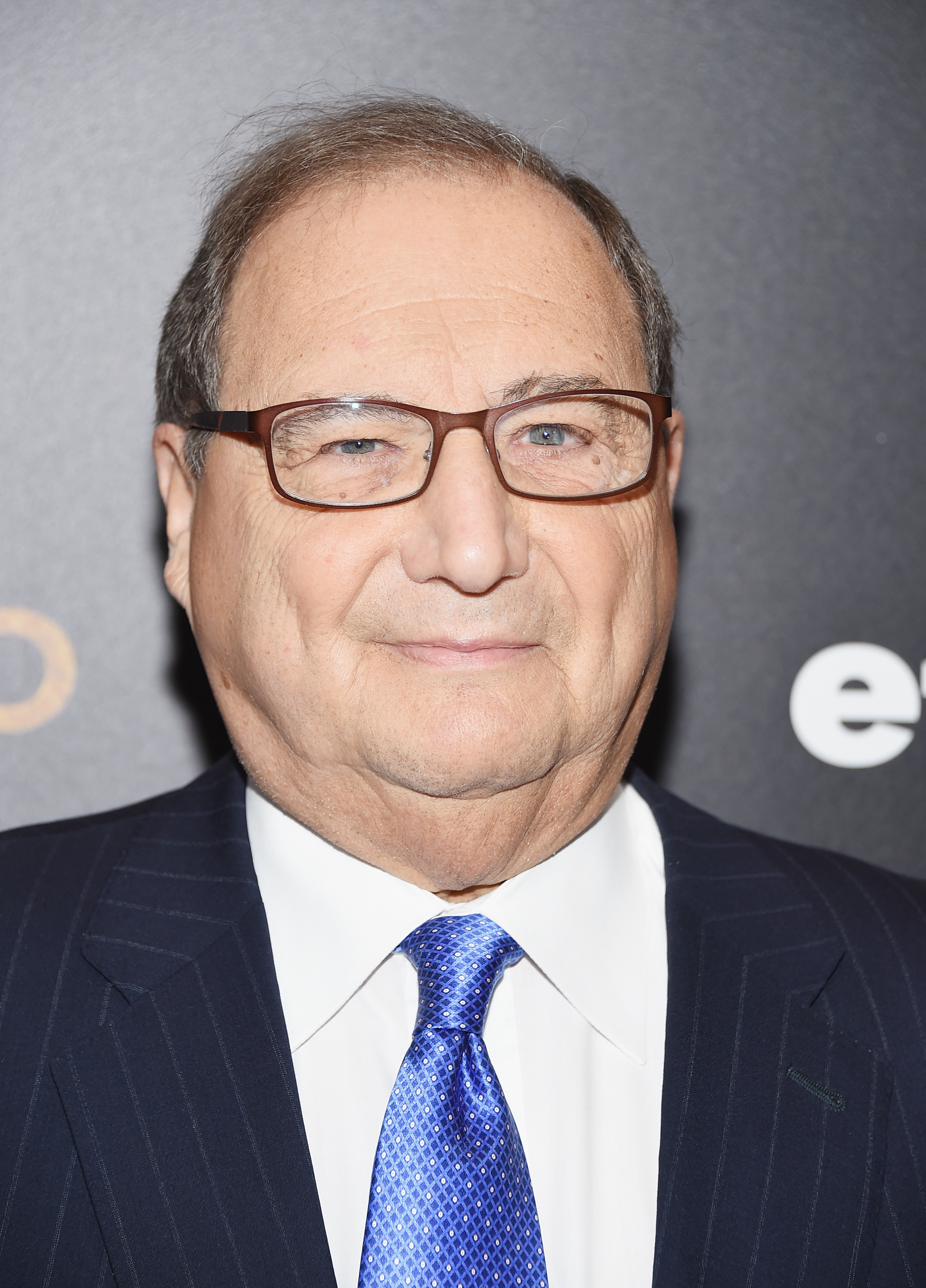
Abe Foxman Leaves a Lasting Legacy
The death of Abe Foxman at 86 lands at a moment when antisemitism, identity politics, and US-Israel relations are all under intense pressure. That alone would make his passing significant. But Foxman was never just another advocacy leader. For decades, he stood at the center of some of America’s hardest arguments about hate, memory, power, and the limits of public criticism of Israel. Admirers saw a relentless defender of Jewish communities. Critics saw a combative gatekeeper who pushed too aggressively to frame political disagreement as something darker. Either way, his influence was real, durable, and impossible to ignore. As the political climate grows more fractured, Foxman’s life offers a sharp window into how modern Jewish advocacy evolved – and why the debate he helped shape is far from over.
- Abe Foxman was one of the most influential US Jewish advocacy figures of the last half-century.
- His leadership helped define how major institutions responded to antisemitism, Holocaust memory, and criticism of Israel.
- Supporters praised his moral clarity and political stamina in moments of rising hate.
- Critics argued his approach sometimes blurred the line between defending Jewish safety and policing debate.
- His legacy matters now because the same fault lines remain central in US politics and global diplomacy.
Why Abe Foxman still matters in American politics
Abe Foxman became synonymous with institutional Jewish advocacy in the United States through his long tenure leading the Anti-Defamation League. Under his watch, the organization expanded its visibility and sharpened its role as both civil rights watchdog and political actor. That dual identity was the source of its strength and, at times, its controversy.
Foxman’s public image was built around urgency. He treated antisemitism not as a historical residue but as an active, adaptable threat. Long before social media made hate more visible and more viral, he argued that prejudice could easily re-enter mainstream politics if institutions became complacent. That warning now feels less theoretical than it once did.
Foxman’s core argument was simple: hatred rarely stays isolated. What starts with Jews does not end with Jews.
That message helped him reach beyond Jewish audiences. It positioned him as a broader civil rights figure, even as his fiercest battles were often tied to Israel, Holocaust remembrance, and questions of communal security.
A life shaped by survival and memory
Any serious assessment of Abe Foxman starts with biography. He was born in Europe during the Holocaust and survived as a child in conditions shaped by Nazi persecution. That origin story was not incidental to his worldview – it was foundational. For Foxman, history was not a backdrop. It was an operating system.
This helps explain both his moral intensity and his suspicion. He belonged to a generation for whom the failure to recognize danger early had catastrophic consequences. That generational lens shaped how he interpreted threats, rhetoric, and political movements. To supporters, this made him vigilant. To detractors, it made him too quick to escalate.
Still, reducing Foxman to trauma would miss the larger story. He did not simply inherit memory; he turned it into institutional force. He helped build a model of advocacy that fused moral witness, political pressure, media fluency, and coalition building. That model became the default template for much of organized Jewish public life in America.
How Holocaust memory informed his public strategy
Foxman consistently pushed against any attempt to treat Holocaust memory as static ceremony. He viewed remembrance as useful only if it informed policy, education, and public vigilance. That instinct shaped campaigns around hate speech, extremist movements, and school curricula.
It also shaped the way he framed geopolitical threats. In Foxman’s reading, Jewish vulnerability could never be discussed apart from state power and communal self-defense. That was one reason he remained such a forceful advocate for Israel: not merely as a political preference, but as a historical necessity.
Abe Foxman and the hard edge of pro-Israel advocacy
This is where Foxman became most polarizing. Abe Foxman was among the most prominent voices insisting that criticism of Israel sometimes functioned as a modernized form of antisemitism. That argument resonated deeply with many American Jews, especially when anti-Israel rhetoric crossed into dehumanization, collective blame, or historical erasure.
But it also placed him in recurring conflict with journalists, academics, activists, and even fellow Jewish leaders who believed he drew the boundaries too tightly. The core tension was not whether antisemitism existed within anti-Israel politics – it clearly could. The dispute was over who gets to define that threshold and what happens to public debate when institutional leaders apply it aggressively.
Foxman’s defenders saw consistency. His critics saw overreach. Both sides understood that he had real power to shape the terms of the conversation.
That tension has only intensified in recent years. Campuses, newsrooms, legislatures, and digital platforms continue to wrestle with the same unresolved question: when does political critique become ethnic or religious hostility? Foxman did not settle that debate, but he helped define its modern vocabulary.
The institutional playbook he helped normalize
Foxman’s approach to advocacy now looks strikingly familiar because so many organizations adopted parts of it. The playbook included several recurring moves:
- Rapid public response to inflammatory statements.
- Pressure on institutions to clarify or retract language.
- A strong emphasis on historical context and symbolic harm.
- Media engagement designed to keep antisemitism visible as a civic issue, not a niche concern.
- Linking domestic rhetoric to broader patterns of global extremism.
That approach was effective because it combined narrative control with institutional leverage. It was also controversial because it could appear unforgiving in environments that value open, if messy, argument.
What made Foxman influential beyond Jewish advocacy
Foxman’s influence extended beyond his own community because he understood media before many advocacy leaders did. He grasped that public legitimacy is not won solely in policy meetings. It is won through repetition, message discipline, and visibility during moments of crisis.
He was also operating in an era when civil rights language was becoming the dominant moral grammar of American politics. Foxman successfully inserted antisemitism into that framework while arguing that Jewish security belonged within a broader democratic struggle.
Why This Matters: that framing helped keep antisemitism from being dismissed as a secondary issue. It positioned anti-Jewish hate as part of the same national conversation as racism, xenophobia, and religious discrimination.
At the same time, Foxman represented a generation of institutional leadership that believed access matters – access to presidents, legislators, editors, and major donors. In today’s more decentralized media environment, that model looks less dominant than it once did. Yet it still shapes how legacy organizations respond to crisis.
The generational shift after Foxman
One of the biggest questions raised by his death is whether the model he embodied can survive intact. Younger activists often operate with different assumptions. They are more likely to speak in the language of intersectionality, more likely to challenge traditional communal hierarchies, and less likely to treat large institutions as the only legitimate voice.
That does not erase Foxman’s legacy. If anything, it makes it more visible. The newer arguments are often reactions to the framework he helped build. Whether people are extending it, revising it, or rebelling against it, they are still moving through terrain he helped define.
The contradictions that define his legacy
It would be easy to flatten Foxman into either hero or antagonist. That would also be intellectually lazy. His career carried real contradictions, and those contradictions are exactly why his legacy remains relevant.
He was a civil rights advocate who sometimes drew criticism for narrowing the space of acceptable dissent. He was a defender of pluralism who could be notably hard-edged toward opponents. He spoke in universal moral terms while remaining deeply committed to a particular communal project. None of that makes his record incoherent. It makes it human and politically consequential.
For many supporters, that toughness was not a flaw but a requirement. They would argue that minority security has never been protected by politeness alone. For critics, the concern was that moral seriousness can harden into institutional rigidity, especially when advocacy groups become arbiters of intent.
The real measure of Foxman’s career is not whether everyone agreed with him. It is whether he changed how America talks about antisemitism, Jewish identity, and Israel. He did.
Why Abe Foxman’s death resonates now
The timing matters. Antisemitism has become more visible across ideological lines. Political polarization has made nuance harder to sustain. The war over language – what counts as hate, what counts as legitimate protest, what institutions must condemn and when – is no longer peripheral. It is central.
That means Abe Foxman leaves behind more than an organizational legacy. He leaves behind a contested map for navigating a dangerous era. Some leaders will follow his methods closely. Others will try to modernize them for digital politics, decentralized activism, and a more skeptical public.
Pro Tip: when evaluating Foxman’s legacy, watch for the distinction between style and structure. His combative style may age differently than the institutional structure he helped normalize. The structure – rapid response, moral framing, media pressure, coalition language – remains highly influential.
There is also a broader lesson for non-Jewish audiences. Foxman’s career illustrates how communities under pressure build defense mechanisms that can be both necessary and controversial. The challenge for democratic societies is to protect vulnerable groups without making public discourse brittle or punitive. That balancing act did not start with Foxman, but he became one of its most recognizable faces.
A final reading of a complicated public life
Abe Foxman was not merely a commentator on history. He was one of the people who tried to force history into public memory before it could be minimized, distorted, or forgotten. He fought hard, sometimes too hard for his critics, but never passively. He believed institutions should act, language matters, and threats should be named early.
That worldview made him a formidable advocate and a divisive one. It also made him consequential in a way that many more agreeable public figures never become. His death closes a chapter in American Jewish leadership, but it does not close the arguments he spent a lifetime advancing.
If anything, those arguments are becoming more urgent. How democracies define hate, how minority communities defend themselves, and how criticism of states intersects with prejudice against peoples: these are not abstract questions. They are live wires in modern politics. Foxman understood that before many others did. That is why his absence will be felt, and why his legacy will keep provoking debate long after the tributes fade.
The information provided in this article is for general informational purposes only. While we strive for accuracy, we make no guarantees about the completeness or reliability of the content. Always verify important information through official or multiple sources before making decisions.