AI Avatars Reshape Culture
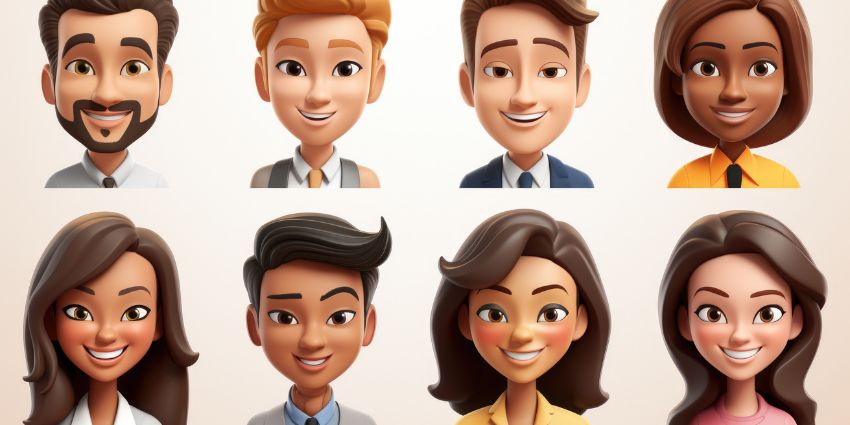
AI Avatars Reshape Culture
AI avatars are no longer a sideshow for demo reels and gimmicky marketing campaigns. They are becoming a real distribution layer for culture, and that shift should make creators, brands, and platforms nervous in equal measure. When synthetic personalities can host podcasts, front fashion campaigns, and mimic the shape of pop stardom, the old rules of identity, labor, and audience trust start to wobble. The most important question is not whether these avatars look convincing. It is whether people will care who or what is speaking once the performance becomes frictionless. The answer will decide who gets paid, who gets copied, and who gets replaced.
- AI avatars are evolving from novelty assets into mainstream cultural tools.
- Podcasts, fashion, and music are emerging as the fastest test beds for synthetic personalities.
- The biggest risks are trust erosion, labor displacement, and brand confusion.
- Creators who understand workflow, rights, and authenticity will have an advantage.
- The next phase is not better avatars alone, but better systems around them.
Why AI Avatars Matter Now
The speed of adoption is the story. A few years ago, AI avatars were clumsy digital mannequins with uncanny smiles and robotic delivery. Now they are being packaged as polished media products that can speak, sing, model, and sell. That jump matters because culture runs on repetition and familiarity. If an avatar can appear weekly in a podcast, across a fashion feed, or inside a music release cycle, it starts to function less like an experiment and more like a media brand.
This is where the tension begins. Audiences may accept synthetic hosts if the value is clear enough: convenience, novelty, or constant output. But culture also depends on authenticity signals. People want to know whether a voice is lived, licensed, or manufactured. The more AI avatars blend into entertainment and commerce, the more those signals get blurred.
AI avatars are not just changing how content is made. They are changing how trust is earned, measured, and monetized.
The New Cultural Stack
The rise of AI avatars is best understood as a new cultural stack. At the bottom is generative software that creates faces, voices, movement, and scripts. On top of that sit production workflows that turn those outputs into media. Above that are distribution channels: streaming platforms, social feeds, ecommerce, and ad systems. The final layer is the audience, which decides whether the whole thing feels premium, fake, or useful.
That stack is powerful because it compresses the gap between idea and audience. A brand no longer needs a full studio shoot to launch a character-led campaign. A creator no longer needs a physical set to produce a recurring show format. A label can test a synthetic pop persona without waiting on the normal machinery of talent development. Speed is the feature, but scale is the real prize.
AI Avatars in Podcasts
Podcasts are especially vulnerable to avatar disruption because the format is already intimate, repeatable, and personality-driven. If listeners care more about cadence and perspective than the physical body behind the mic, synthetic hosts become viable fast. That creates opportunity for studios and independent operators who want to lower production costs and increase output. It also creates a dangerous shortcut for anyone willing to trade human experience for synthetic consistency.
What works
AI avatars can be useful in podcasts when the format is clearly framed as experimental, educational, or fictional. They can simulate characters, localize content across languages, and keep long-running formats moving without scheduling bottlenecks. For news summaries and topic explainers, the efficiency gains can be substantial.
What breaks
What breaks is the social contract. If a listener believes they are hearing a human host and later discovers the voice is synthetic, the deception becomes the story. That is not a minor branding issue. It is a credibility problem. Podcasts live and die on relationship, and relationships do not survive repeated ambiguity.
Pro Tip: if you are deploying AI avatars in audio, disclose the synthetic nature early and consistently. Treat transparency as a product feature, not a legal footnote.
AI Avatars in Fashion
Fashion may be the cleanest fit for AI avatars because the industry already sells aspiration, projection, and visual fantasy. A synthetic model can wear impossible designs, test endless poses, and appear in multiple markets at once. For brands obsessed with speed and margin, that is irresistible. It also raises a familiar question: if the image is fabricated, what exactly is the product promise?
The answer depends on category. For experimental campaigns and digital-first collections, AI avatars can be a genuine creative tool. They can help small labels punch above their weight and let large brands move faster across seasonal cycles. But when synthetic bodies start replacing working models at scale, the labor implications become impossible to ignore.
Fashion is being asked to decide whether AI avatars are a canvas or a cost-cutting strategy. The industry cannot really be both without consequences.
There is also the matter of aesthetics. AI-generated faces often optimize for symmetry and generic beauty, which can flatten the visual language of fashion. If every campaign leans into the same hyper-polished look, the industry risks producing more content but less character.
The Pop Avatar Problem
The pop music angle is where the stakes get stranger. A synthetic performer can be styled, scripted, and promoted like a real star, complete with lore, fandom hooks, and a visual identity that never ages. That opens the door to entirely new entertainment brands. It also reveals how much of pop culture is already built on performance and replication.
But pop is not just about output. It is about vulnerability, myth, and audience attachment. Human artists bring biography into the work, and fans build meaning from that friction. AI avatars can imitate some of the surface texture, but they struggle to replicate the cultural residue that comes from lived experience.
This matters because the music business has spent years arguing over authenticity while simultaneously optimizing every part of the pipeline. AI avatars exploit that contradiction. They offer a version of pop that is endlessly tunable, highly scalable, and potentially detached from the messy realities that make artists interesting in the first place.
What Brands Should Do Next
Companies do not need to ban AI avatars. They need operating rules. Without them, the fastest team in the room will eventually create the biggest mess. The smartest approach is to define where synthetic personalities add value and where human presence remains non-negotiable.
- Use AI avatars for scale, not deception. If the audience expects a synthetic experience, say so plainly.
- Set rights rules early. Define who owns likeness, voice, training data, and derivative outputs.
- Audit brand fit. AI avatars work best when the visual style matches the message, not when they are used as a cheap stunt.
- Build disclosure into UX. Put transparency in the frame, not buried in legal copy.
- Test audience tolerance. Not every category can absorb synthetic talent without backlash.
Pro Tip: create a governance checklist before launching any AI avatar campaign. Include consent, disclosure, escalation paths, and a kill switch if the audience response turns hostile.
Why This Shift Is Bigger Than One Trend
The deeper change is not just that AI avatars are getting better. It is that media systems are becoming easier to automate at the level of identity. Once identity becomes modular, companies will try to package it like software. That means more recurring characters, more personalized media, and more synthetic spokespeople across every major platform.
That future sounds efficient, but efficiency is not the same thing as value. Culture still depends on surprise, friction, and genuine human judgment. AI avatars can mimic the shape of those qualities, but they cannot easily replace the social proof that comes from a person taking a risk in public. The winners in this transition will be the teams that use synthetic tools without pretending they are morally neutral.
The losers will be the ones who confuse technical polish with audience permission. The public may tolerate AI avatars, even enjoy them, but only if the boundaries are clear. Without that clarity, the backlash will arrive quickly and loudly.
The Next Phase of AI Avatars
Expect the category to split into three lanes. First, utility avatars that handle repetitive work in education, customer engagement, and simple entertainment. Second, branded avatars that function as mascots, hosts, or campaign characters. Third, fully synthetic celebrity systems designed to build fandom from scratch. Each lane carries different risks, but all of them depend on the same fragile ingredient: belief.
That belief will be harder to maintain as detection tools improve and audiences become more literate about AI. So the long-term winners will not be the most human-looking avatars. They will be the most responsibly designed ones. The companies that survive this shift will treat AI not as a shortcut around culture, but as a new medium that demands new rules.
Bottom line: AI avatars are becoming a serious force in media, but the real competition is not visual realism. It is trust, governance, and the ability to make synthetic identity feel intentional rather than opportunistic.
The information provided in this article is for general informational purposes only. While we strive for accuracy, we make no guarantees about the completeness or reliability of the content. Always verify important information through official or multiple sources before making decisions.