AI Regulation Takes Shape

AI Regulation Takes Shape
The AI regulation debate is no longer an abstract policy skirmish. It is quickly becoming a real test of who controls the technology that is rewriting search, software, media, and even public trust. For businesses, the stakes are obvious: compliance costs are rising, product roadmaps are shifting, and the old move-fast-and-break-things mindset is colliding with a new era of legal scrutiny. For everyone else, the concern is simpler and more urgent: what happens when systems that can generate, decide, and recommend at scale start operating without clear guardrails?
That is why this moment matters. Regulators are not just chasing headlines. They are trying to catch up with tools that evolve faster than policy can. The result is a tense and uneven global patchwork, where AI regulation is becoming a competitive advantage for some companies and a brake pedal for others. The winners will be the organizations that treat governance as product strategy, not paperwork.
- AI regulation is moving from theoretical debate to enforceable policy.
- Companies that build compliance into product design will adapt faster.
- The biggest risks are bias, opacity, copyright, and accountability gaps.
- Future AI winners may be defined as much by trust as by technical performance.
Why AI regulation is now unavoidable
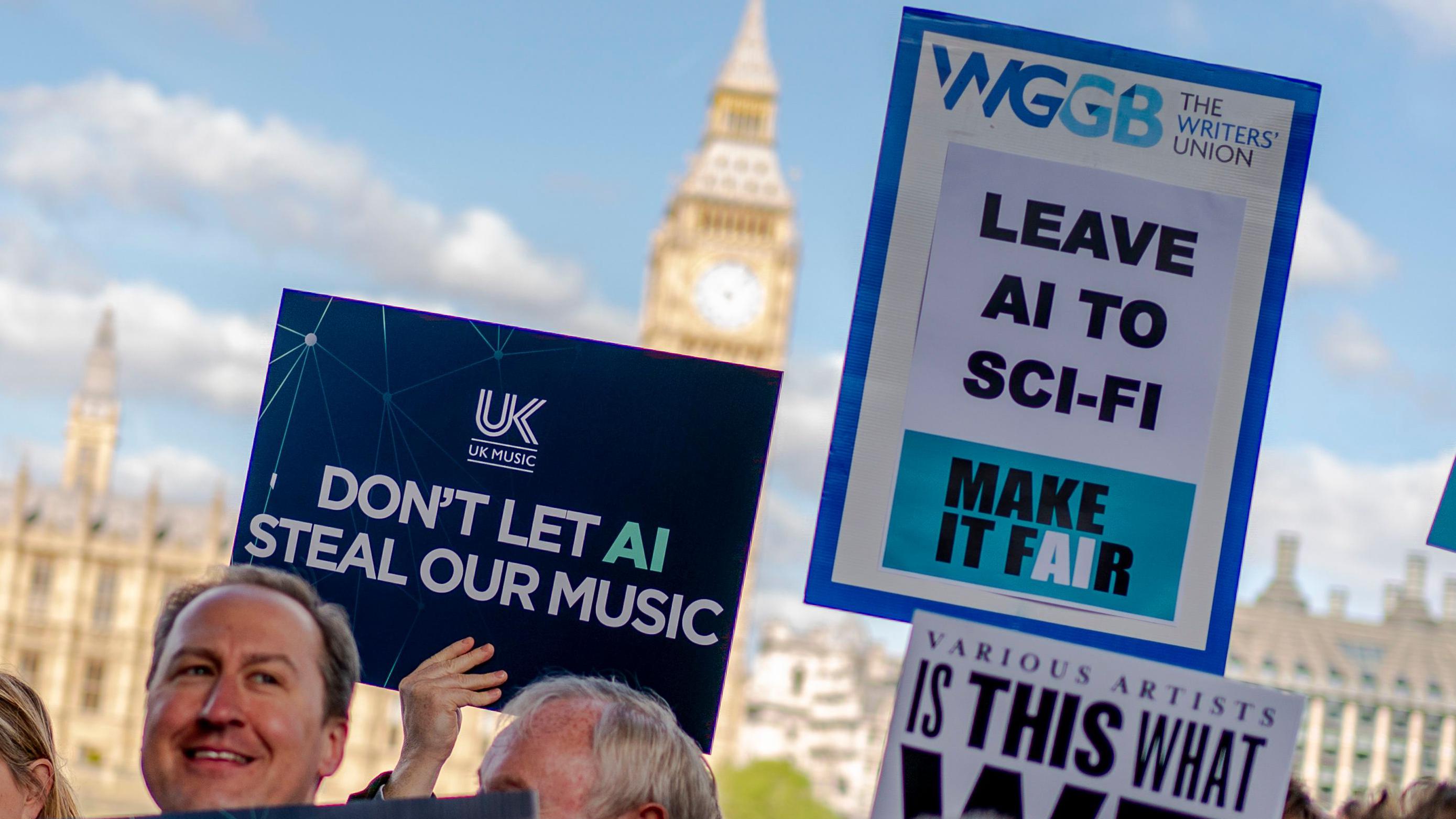
The rapid spread of generative tools has exposed a simple truth: the market did not self-correct fast enough. Models can summarize, code, draft, and classify at scale, but they can also hallucinate, reproduce bias, and amplify misinformation. That creates pressure from every direction – lawmakers, regulators, creators, workers, and consumers – all demanding clearer rules on how AI should be built and deployed.
What makes AI regulation so difficult is that it is trying to govern a moving target. Unlike older software systems, modern foundation models can be repurposed in ways even their creators may not fully predict. A model trained for productivity can end up in hiring workflows, customer service bots, or government tools. That cross-industry flexibility is powerful, but it also means one policy decision can ripple across dozens of sectors at once.
AI regulation is becoming less about stopping innovation and more about deciding which kinds of innovation society is willing to absorb.
The business case for compliance is changing fast
For years, compliance was seen as a back-office burden. That is no longer true. As rules harden, companies that treat governance as an afterthought will pay for it in delays, fines, reputation damage, and broken partnerships. Procurement teams are already asking tougher questions. Enterprise buyers want to know where training data came from, how models are tested, and whether outputs can be audited.
That creates a new strategic reality. The vendors most likely to win contracts are not always the flashiest. They are the ones that can prove controls, document model behavior, and explain how human oversight works. In other words, trust is becoming a product feature. If your AI stack cannot be explained to a legal team, it will struggle to scale inside a serious enterprise.
What companies should be doing now
There is no universal playbook, but there is a clear pattern emerging across regulated industries. Teams should be building systems that can be reviewed, logged, and rolled back. If a model makes a bad recommendation, the organization needs to know what happened, when it happened, and who approved the use case.
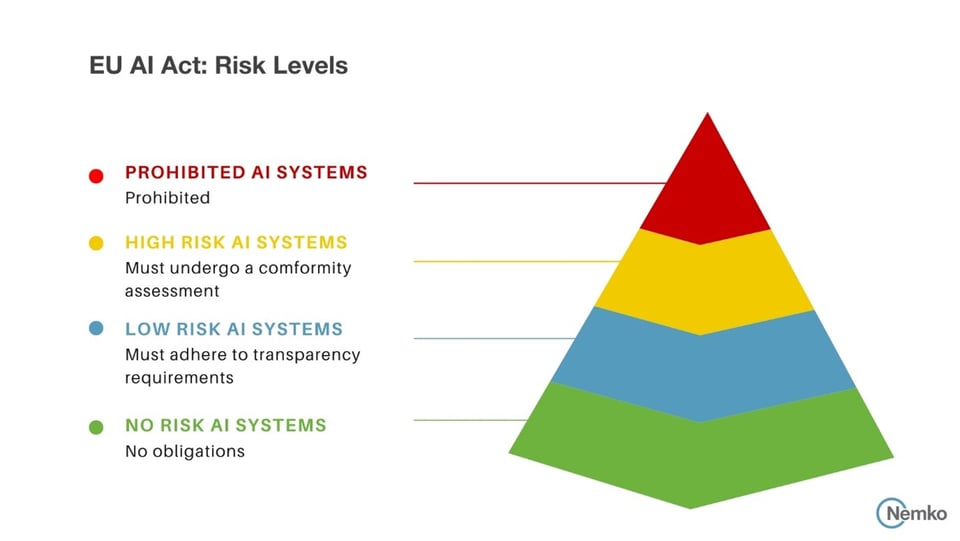
- Map every AI use case by risk level.
- Keep a model inventory with ownership and review dates.
- Document training data sources and vendor obligations.
- Use
human-in-the-loopreview for high-impact decisions. - Build logging for prompts, outputs, and override actions.
Pro tip: do not wait for a formal audit to start collecting evidence. The most painful compliance failures usually come from missing records, not malicious intent. If your team cannot reconstruct how an AI-generated output entered production, you are already behind.
AI regulation and the problem of accountability
One of the thorniest issues in AI regulation is accountability. When an AI system causes harm, who is responsible – the developer, the deployer, the data provider, or the user? The answer is rarely clean, and that ambiguity is exactly why regulators are pressing for clearer duty-of-care standards.
That matters because AI is increasingly embedded in decisions that used to be visibly human: screening applicants, ranking content, detecting fraud, advising customers, and generating legal or medical support. If a system makes an error in one of those contexts, the impact is not theoretical. It can affect livelihoods, access, and rights.
From a policy perspective, the most useful frameworks will be the ones that separate low-risk from high-risk deployments. A chatbot drafting marketing copy is not the same as a model used in lending decisions. But for companies, the lesson is the same: context matters, and regulation will likely reflect that distinction more aggressively over time.
The global split is getting wider
The race to define AI rules is not happening in one place. Different regions are taking different approaches, and that fragmentation may be the defining feature of the next few years. Some governments are leaning toward comprehensive risk-based frameworks. Others prefer lighter-touch guidance to avoid discouraging startup growth. A few are trying to balance both at once, which is often harder than it sounds.
This creates a compliance maze for international businesses. A product that is acceptable in one market may need documentation, disclosures, or technical controls elsewhere. That means legal, product, and engineering teams have to operate more like a single unit than ever before. The companies that succeed will be the ones that design for adaptability from day one.
The biggest operational mistake right now is assuming AI policy will converge quickly. It will not. Businesses need systems built for regulatory plurality.
Why fragmented rules can still be useful
There is a temptation to see global inconsistency as pure dysfunction. It is messy, yes. But fragmentation can also create clarity around best practices. When multiple regulators ask for transparency, auditability, or human oversight, a de facto standard begins to emerge. Even without a single global rulebook, companies can align around common principles that reduce risk and improve product quality.
That is especially important for startups. Smaller teams often assume regulation is only for large incumbents. The opposite is true. Startups are more exposed because they have fewer legal resources and less margin for error. A compliance framework designed early is cheaper than a retrofit after the product has already scaled.
How AI regulation may reshape the next wave of products
Regulation is not just a constraint. It is also a design force. The next generation of AI products will likely look different because of the rules being written today. Expect more explainability layers, better provenance tracking, more conservative defaults, and narrower use cases that are easier to defend.
That may sound like a slowdown, but it could actually improve the market. The current AI boom has been fueled by broad claims and loose expectations. As rules tighten, companies will need to prove value rather than merely imply it. That should push the industry toward fewer gimmicks and more durable tools.
For users, the payoff could be significant. Clearer labeling, stronger recourse when systems fail, and better data handling are not glamorous features, but they are essential if AI is going to become infrastructure rather than novelty. The more AI becomes embedded in daily workflows, the more regulation becomes part of user experience.
What executives should watch next
Over the next 12 to 24 months, the real signals to watch are not just new laws but enforcement patterns. A statute on paper matters less than how regulators interpret it in practice. Companies should pay close attention to guidance on transparency, model testing, copyright, automated decision-making, and sector-specific controls.
They should also watch how buyers behave. Enterprise customers are often the first to operationalize policy pressure. If procurement teams begin demanding specific audit artifacts or risk documentation, that can move the market faster than legislation alone.
Here is the uncomfortable truth: the companies that ignore AI regulation are not just risking fines. They are risking irrelevance. In a market where trust is becoming scarce, governance will separate serious platforms from opportunistic ones.
The real lesson
AI regulation is not an obstacle course built by technocrats. It is the market adapting to a technology powerful enough to reshape institutions before those institutions can fully understand it. That tension is not going away. If anything, it will intensify as models get more capable and more deeply embedded in ordinary life.
The smartest operators will stop asking whether regulation slows innovation and start asking how to build products that can survive scrutiny. That shift in mindset is the difference between a flashy demo and a sustainable business. The era of unexamined AI expansion is ending. What replaces it will be slower, more accountable, and probably more durable.
The information provided in this article is for general informational purposes only. While we strive for accuracy, we make no guarantees about the completeness or reliability of the content. Always verify important information through official or multiple sources before making decisions.