AI Tracks Roaches Reinventing Urban Pest Control
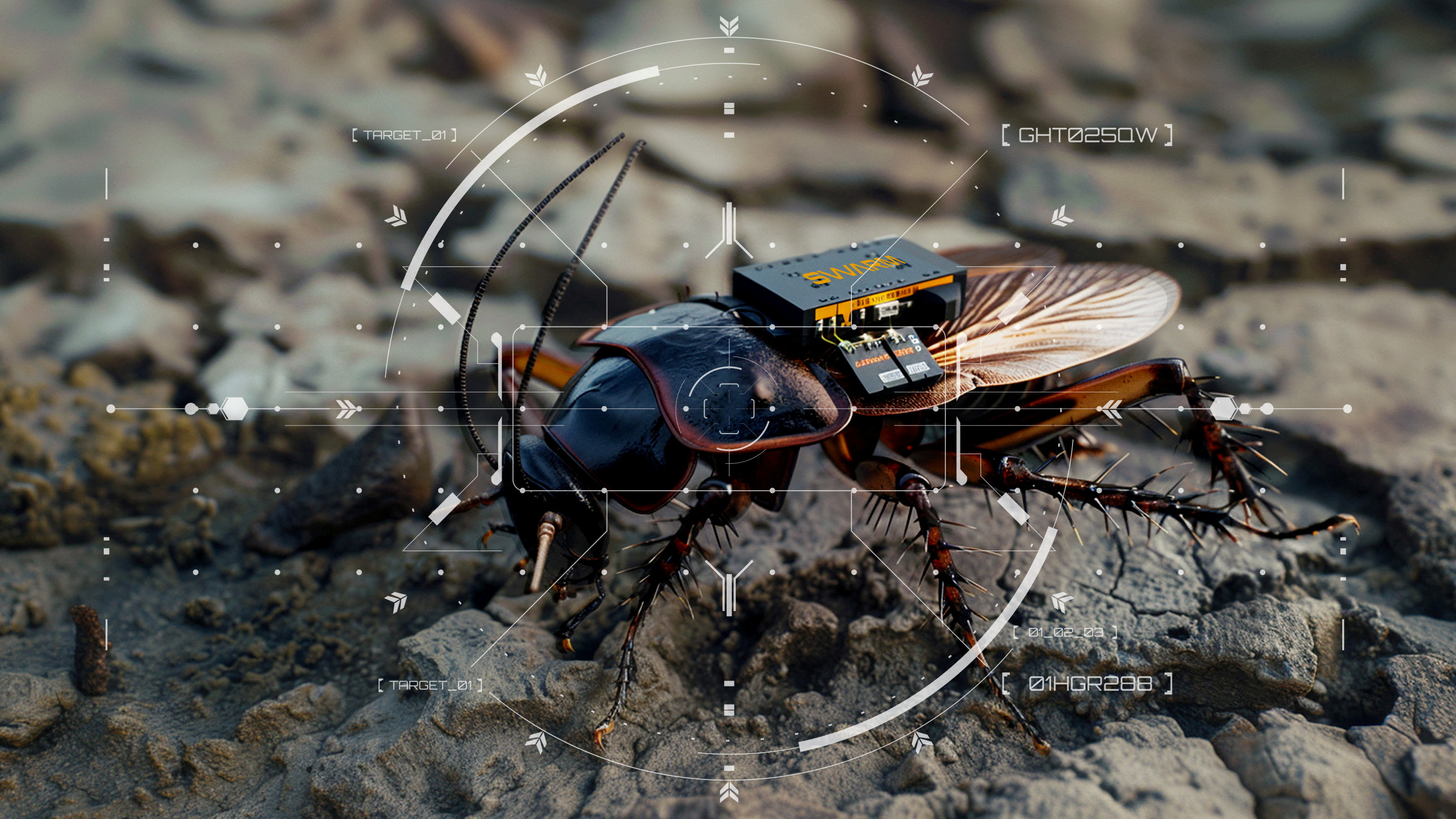
AI Tracks Roaches Reinventing Urban Pest Control
Cockroaches thrive in the hidden seams of every metropolis, and traditional pest teams are locked in a costly whack-a-mole cycle. The next tactical upgrade is AI cockroach surveillance, a mashup of computer vision, edge sensors, and predictive analytics that promises to find infestations before they erupt. This isn’t a sci-fi pitch; pilot projects in dense housing blocks are already routing exterminators based on live heat maps rather than 3 a.m. panic calls. For city managers chasing public health goals, for landlords drowning in repeat visits, and for tenants desperate for relief, the question is whether machine-driven vigilance can finally break the cycle without flooding apartments with chemicals.
- AI-driven sensors now spot cockroach movements in real time, reshaping response playbooks.
- Data pipelines shift pest control from reactive spraying to predictive, targeted interventions.
- Early pilots hint at lower pesticide loads and faster tenant relief, but raise privacy and bias concerns.
- Operational success hinges on edge computing reliability and interoperable data standards.
Why AI Cockroach Surveillance Moves Beyond Traps
The promise of AI cockroach surveillance starts with replacing static glue boards with networked nodes. Thermal cameras, vibration sensors, and bait stations fitted with low-power processors convert scuttling patterns into labeled data. Instead of waiting weeks for a technician to check physical traps, housing authorities can see infestation intensity by floor or unit within minutes. That time compression flips the economics: fewer blanket treatments and more precise, timely interventions.
“If you can see pest pressure as it rises, you can cut it off before tenants notice,” notes one municipal entomologist leading a tower-block trial.
The technical leap is in edge computation. Sensors run lightweight models locally to tag movement as Periplaneta americana versus ambient noise, then send only events to the cloud. That reduces bandwidth and keeps alerts flowing even when building Wi-Fi chokes. Each node becomes a tiny entomologist, scoring activity and flagging anomalies.
Inside the Stack: From Sensor to Dashboard
Perception Layer
Thermal microcameras and piezoelectric vibration chips anchor the perception layer. They are tuned for warm, fast-moving bodies and can discriminate between pets, rodents, and cockroaches through signature patterns. Engineers calibrate thresholds so a rolling marble or HVAC rumble does not trigger a false positive. Ruggedized casings withstand kitchen grease and bathroom humidity, reducing service calls.
Edge Intelligence
On-device inference runs compact convolutional models compiled for ARM Cortex-M or RISC-V cores. Firmware updates arrive over-the-air to refine classification without swapping hardware. Crucially, edge nodes cache detections during network outages and forward them once connectivity resumes, preserving data continuity for weekly trend analysis.
Data Transport
Events travel over LoRaWAN or secured Wi-Fi 6, with payloads restricted to timestamp, location, and confidence score. By shipping metadata instead of full frames, operators avoid storing identifiable images, mitigating tenant privacy concerns. For high-risk food facilities, some deployments keep raw clips locally for audit while sending abstracted counts to the cloud.
Analytics and Action
Central dashboards ingest these events, aggregating them into heat maps, decay curves, and predicted hotspots. Integrations with work-order platforms auto-generate tickets when activity surpasses a policy threshold. Technicians see a ranked queue rather than a blanket schedule, and routes are optimized to address clusters first. Historical baselines allow teams to measure whether interventions actually depress activity instead of merely displacing it to adjacent units.
Deployment Realities: Cost, Coverage, Compliance
Hardware prices are falling, but blanketing every hallway is still expensive. Pilot programs often start with sentinel placement in trash chutes, boiler rooms, and food storage, then expand coverage based on detected pressure. A hybrid model combining smart sensors with a reduced set of analog traps can stretch budgets without sacrificing insight.
Compliance is another pillar. Many cities restrict data collection inside private dwellings. Deployers must prove that only non-identifying telemetry leaves the premises and that retention windows are short. Transparent signage and opt-in clauses in rental agreements can blunt backlash, but legal reviews are mandatory in jurisdictions with strict privacy statutes.
Maintenance logistics also matter. Edge nodes require periodic battery swaps or access to PoE lines. Firmware drift across hundreds of devices can wreck data quality, so centralized update orchestration and device health monitoring are core to any serious rollout.
Benchmarking Accuracy: False Positives and Model Drift
Computer vision models trained in lab conditions often stumble in field environments. Grease on lenses, sudden humidity spikes, and unexpected insect species can inflate false positives. Continuous validation against manual inspections is essential to recalibrate thresholds. Some teams pair AI detections with pheromone-laced glue boards for ground truth; discrepancies trigger model tuning cycles.
Model drift is another threat. Seasonal changes alter cockroach behavior, and building renovations shift traffic patterns. Without periodic retraining, precision erodes. Leading pilots now schedule quarterly data refreshes and deploy A/B model tests to measure lift before promoting updates fleet-wide.
Public Health Lens: Beyond Kitchens and Basements
AI-driven surveillance is not just about comfort. Cockroaches vector allergens and pathogens, exacerbating asthma rates in crowded housing. Real-time monitoring allows health departments to correlate spikes in medical visits with pest pressure, directing resources more equitably. Schools and clinics can be prioritized when dashboards flag rising activity nearby, adding a preventative layer to public health planning.
“When infestations drop, pediatric ER visits for asthma follow. Data lets us prove the link and fund the work,” says a city health official piloting AI nodes in public housing.
Why This Matters for Facilities and Operators
For property managers, the biggest benefit is predictability. Instead of emergency callouts that drain overtime budgets, scheduled precision treatments stabilize operating costs. Insurance carriers are watching too; fewer infestation claims could translate into premium reductions if operators can prove continuous monitoring.
Food service chains face brand risk from viral videos of roaches. AI dashboards act as an early warning system, giving franchisees proof of due diligence. Some are integrating pest metrics into their ESG reports to demonstrate reduced pesticide usage and improved tenant or customer well-being.
Main Risks and Ethical Questions
Privacy
Even if payloads are abstracted, sensors inside living spaces trigger surveillance fears. Deployers must avoid storing identifiable imagery and should publish data handling policies. Edge-only processing and short retention windows help maintain trust.
Bias in Response
If dashboards rank neighborhoods by infestation intensity, resource allocation could mirror existing inequities. Equitable thresholds and community oversight are necessary to prevent technology from reinforcing neglect in lower-income blocks.
Overreliance on Automation
Automated alerts can dull technician intuition. Training must pair AI outputs with field verification so teams do not skip visual inspections or resident interviews that surface context the sensors miss.
Future Roadmap: Toward Integrated Urban Hygiene Platforms
The most ambitious vision merges pest telemetry with building maintenance systems. Imagine HVAC filters auto-ordering replacements when cockroach dust spikes, or plumbing work orders triggered when moisture sensors and pest nodes agree on a leak. These integrations would turn pest control into a component of holistic building health.
Computer vision may soon classify not just species but behavior, distinguishing scouting runs from full colony migration. That granularity would let operators time interventions to maximal effect. Coupled with reinforcement learning that suggests placement tweaks, the network could self-optimize.
Citywide, anonymized pest activity could feed urban planning: redesigning waste pickup routes, adjusting street cleaning frequency, or targeting educational campaigns. Because cockroaches are proxy indicators for sanitation, the data has value far beyond extermination workflows.
Pro Tips for Teams Piloting AI Cockroach Surveillance
- Start with a mixed network of smart sensors and legacy traps to build trust in the data.
- Implement quarterly model retraining and track false positive rates alongside cost per treated unit.
- Use
edge-onlyprocessing where possible to minimize privacy risk and bandwidth spend. - Integrate alerts with ticketing systems so technicians act on ranked queues, not scattered texts.
- Keep residents informed with clear signage and opt-in language to avoid backlash.
Metrics That Matter
Executives will ask for proof. Track average time-to-respond from detection to treatment, reduction in repeat service calls, pesticide volume per building, and resident complaint rates. Overlay these with indoor air quality data to show co-benefits. When presenting to budget committees, frame the ROI in avoided emergency visits and stabilized insurance premiums, not just fewer bugs.
Bottom Line: Automation With Accountability
AI cockroach surveillance is rapidly shifting from novelty to necessity in dense cities. The technology gives operators a live map of unseen pests, enabling precision interventions that reduce chemicals, costs, and human misery. But the wins only stick if programs bake in privacy guardrails, continuous model validation, and equitable response policies. The roaches are adapting; urban pest management has to adapt faster.
The information provided in this article is for general informational purposes only. While we strive for accuracy, we make no guarantees about the completeness or reliability of the content. Always verify important information through official or multiple sources before making decisions.