Algorithm Is the Word That Broke Through
Algorithm Is the Word That Broke Through
Algorithm is no longer a technical term you only hear from engineers, data scientists, or product teams defending a bad recommendation feed. It has become one of the most loaded words in modern life, a catch-all for the invisible systems that decide what we watch, buy, fear, and believe. That shift matters because when a word crosses from specialist jargon into public debate, it starts carrying power. It also starts carrying blame. The result is a strange cultural moment: everyone talks about “the algorithm,” but very few people can explain what it actually does, who built it, or why it keeps getting treated like a sentient force. The real story is not just linguistic. It is about how software became infrastructure, and how a single term came to symbolize trust, manipulation, and the accelerating opacity of digital life.
- Algorithm has shifted from technical shorthand to cultural shorthand for invisible digital power.
- The word now shapes debates about feeds, search, ads, moderation, and personalization.
- Its popularity reflects both technological change and public skepticism about platform control.
- Understanding the term helps separate real system design from vague blame.
- The next evolution of the word may track AI, automation, and even harder-to-explain decision engines.
Why algorithm became the word of the moment
Language usually changes slowly. Technology does not. That mismatch explains why algorithm has surged from niche terminology into everyday speech. As platforms have woven recommendation engines, ranking systems, and automated decision-making into almost every digital product, people needed a word for the machinery behind the curtain. Algorithm fit perfectly because it sounds precise while remaining just vague enough to cover a lot of frustration.
That vagueness is part of the appeal. When a social feed feels chaotic, users say the algorithm changed. When a streaming service surfaces something weird, people blame the algorithm. When online discourse goes sideways, the algorithm becomes the invisible villain. The term functions as both explanation and accusation, which is a rare combination in public language.
There is a reason editors, policymakers, and product teams keep returning to it. Unlike buzzwords that fade, algorithm has real descriptive power. It names a process, but it also signals a worldview: that choices are being made by systems that are fast, optimized, and often too complex for ordinary users to inspect.
What the word actually means and why that matters
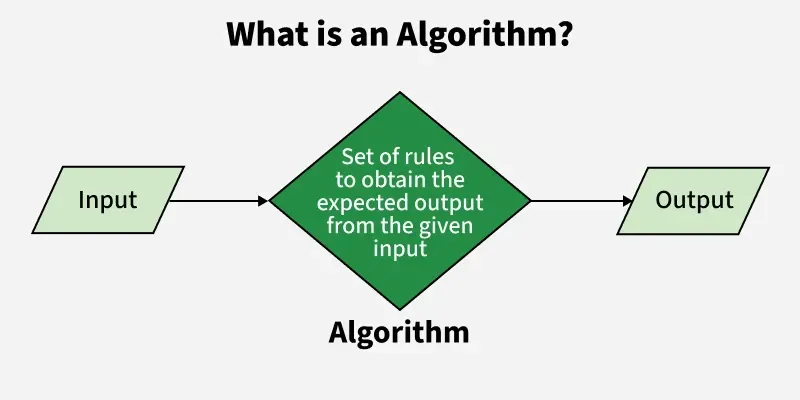
At its core, an algorithm is simply a step-by-step method for solving a problem or performing a task. That definition is old, broad, and almost boring. A recipe is an algorithm. So is a route on a map app, a spam filter, or a ranking formula. The modern drama comes from how software has scaled that basic concept into systems that shape information at global speed.
Here is the crucial distinction: not every algorithm is a black box, but many digital systems feel like one. Users rarely see the rules. They see outcomes. Those outcomes can be useful, disturbing, or both. That gap between method and result is where trust breaks down.
Expert insight: The public does not usually reject algorithms because they are mathematical. It rejects them when they feel hidden, untouchable, or unfair.
That is why the word carries such emotional weight. It is not just a technical term anymore. It is shorthand for systems that make decisions at scale without offering much explanation. In a media environment that increasingly rewards personalization, the word has become a proxy for the deeper question: who decides what you see?
How algorithm became a political and cultural signal
The rise of algorithm is also a story about mistrust. Once people understood that feeds were ranked, ads were targeted, and recommendations were optimized for engagement, the term acquired a darker edge. It stopped meaning just “a smart process” and started meaning “a process that may not have my interests at heart.”
That cultural shift has made the word unusually flexible. Journalists use it to explain platform behavior. Regulators use it to describe automated harm. Creators use it to complain about reach. Consumers use it to describe why a video took off, or why it disappeared. Even when the underlying system is not literally one algorithm, the word has become a convenient symbol for opaque digital power.
This matters because language shapes policy. When the public says “the algorithm” is responsible, lawmakers hear pressure to demand transparency, accountability, and sometimes restraint. At the same time, platform companies prefer the term because it sounds neutral and technical. It softens the politics of design choices that are often deeply strategic. A ranking system is not just math. It is editorial architecture.
The business of invisibility
Platforms have long benefited from keeping their recommendation systems mysterious. Mystery encourages dependence. If users cannot easily understand why content appears, they spend more time trying to decode the system. That behavior feeds engagement, which feeds ad revenue, which feeds the next round of optimization.
From a business perspective, algorithm is more than a technical concept. It is a revenue engine. Search rankings determine what gets clicks. Recommendation systems determine what gets watched. Marketplace algorithms determine what gets bought. In each case, the system is not merely organizing information – it is allocating attention, and attention is the commodity that powers the modern internet.
That is why companies speak so carefully about their algorithms while rarely revealing too much. Full transparency could make systems easier to game. But too little transparency invites backlash. The word sits at the center of that tension. It describes the engine, but it also protects the engine from scrutiny.
Why the term keeps expanding
As more services adopt automated ranking and prediction, the term keeps stretching to cover them. It now appears in conversations about hiring, lending, insurance, content moderation, shopping, and education. The public may not know the underlying math, but it recognizes the pattern: a system makes a decision, and the decision feels both automated and consequential.
That expansion is not accidental. It reflects the reality that algorithms are no longer behind the scenes. They are the scenes. They decide visibility, determine friction, and encode priorities. Once that happens, the word stops belonging only to computer science and enters the language of power.
Why this word will shape the next phase of AI
Artificial intelligence has given algorithm even more cultural oxygen. People increasingly use the term as a catch-all for machine learning, generative tools, and automated agents, even when those systems are not traditional algorithms in the narrow academic sense. The overlap is messy, but the public does not need a taxonomy to feel the effect.
That said, the next phase of the word may be more complicated. As AI systems become more capable, they also become more difficult to explain in plain language. This is where algorithm may continue to function as the simplest label for a set of systems that are getting less legible, not more. The irony is striking: the more advanced the technology becomes, the more we lean on an old, precise word to describe our confusion.
Pro tip: If a product team says “the algorithm” made a decision, ask what signals it used, what objective it was optimizing, and what guardrails exist when it gets it wrong.
That question will matter more in the coming years. As AI products move deeper into search, work, education, and entertainment, the public will demand better explanations. The companies that can explain system behavior without hiding behind jargon will have a trust advantage.
Why this matters for readers, not just engineers
This is not just a story about vocabulary. It is about literacy. The more people understand what an algorithm is – and what it is not – the harder it becomes for companies to use the term as a shield. It also becomes easier for users to spot when a system is genuinely helpful versus when it is simply optimizing for engagement, extraction, or convenience at the user’s expense.
For readers, that means a few practical shifts in mindset:
- Do not treat “the algorithm” as magic. It is built by people with goals.
- Separate ranking logic from actual content quality. Popular is not always better.
- Ask who benefits from the system’s default behavior.
- Remember that opacity is often a design choice, not a technical inevitability.
The deeper lesson is that language can normalize infrastructure. Once a system becomes a household word, it becomes easier to accept as unavoidable. That is the power – and the danger – of a term like algorithm. It makes complex machinery feel familiar. But familiarity should not be mistaken for accountability.
The bottom line
algorithm has become one of the defining words of the digital age because it names something people can feel even when they cannot fully see it. It captures the reality of life shaped by rankings, feeds, recommendations, and automated decisions. It also reflects a broader cultural anxiety: the sense that important choices are increasingly being made by systems that are efficient, opaque, and optimized for goals users did not choose.
That is why the word keeps spreading. It is accurate enough to stick, flexible enough to explain a hundred frustrations, and powerful enough to define an era. The next time someone blames the algorithm, the better question is not whether the word is right. It is what kind of system allowed that blame to make sense in the first place.
The information provided in this article is for general informational purposes only. While we strive for accuracy, we make no guarantees about the completeness or reliability of the content. Always verify important information through official or multiple sources before making decisions.