Apple Battles EU App Store Crackdown
Apple Battles EU App Store Crackdown
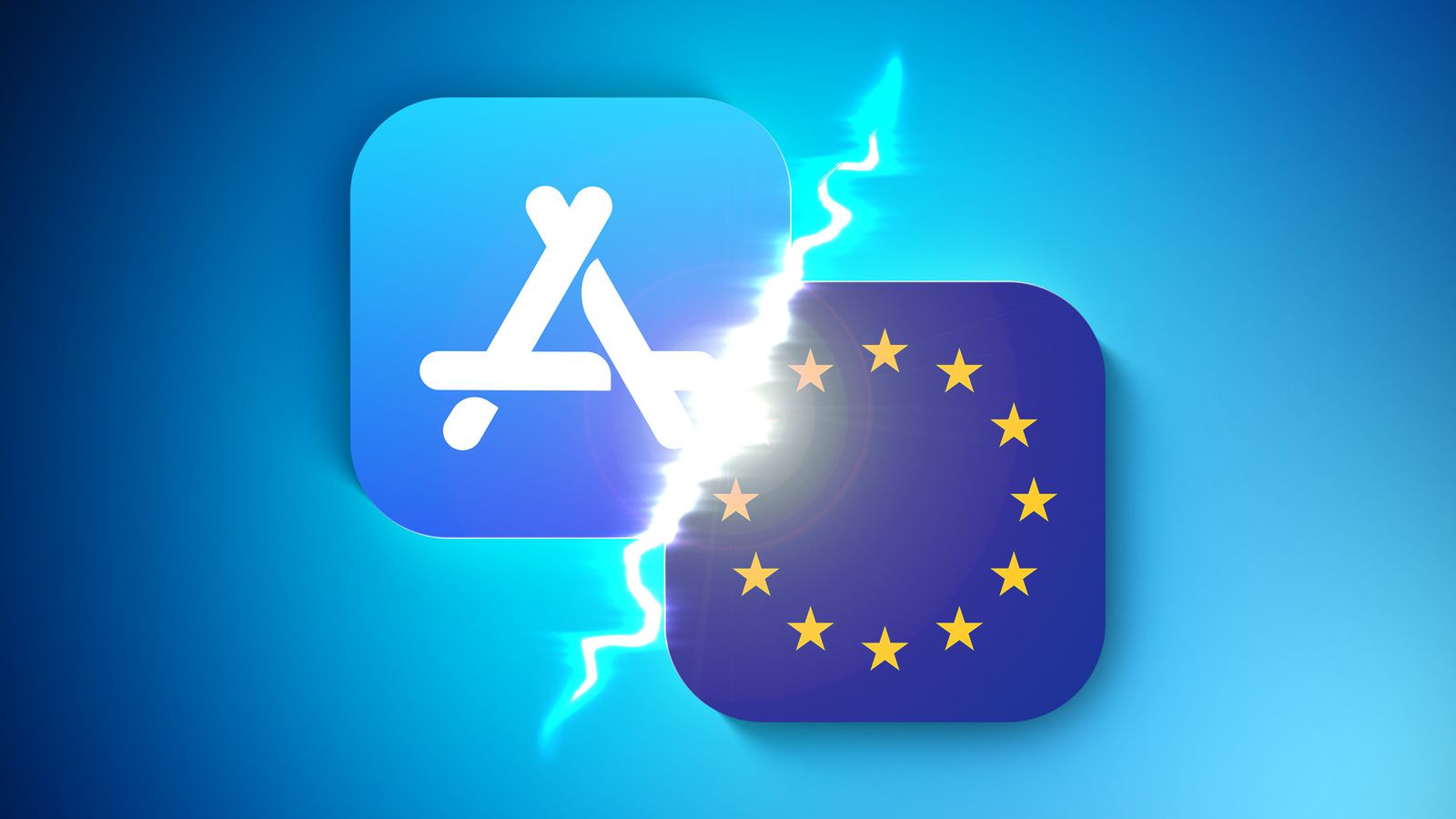
Apple and the European Union are heading for another collision, and this one cuts straight to the economics of the App Store. For developers, the fight is about margins, control, and whether they can finally reach iPhone users without paying Apple’s traditional toll. For Apple, it is about protecting a business model that has defined mobile software for more than a decade. The latest EU pressure is not just another regulatory spat – it is a test of whether Big Tech gatekeepers can keep writing the rules of their own platforms. If the bloc succeeds, the consequences will ripple far beyond Europe, forcing platform companies to rethink fees, distribution, and the basic power balance between hardware makers and software creators.
- Apple is under renewed EU pressure over how it runs the
App Storeand what it charges developers. - The dispute matters globally because Europe often becomes the proving ground for tech regulation.
- Developers stand to gain more flexibility in payments, app distribution, and customer relationships.
- Apple argues security and privacy are at stake, but critics see a familiar defense of platform control.
- The outcome could reshape mobile software economics for users, developers, and rival platforms.
Why the Apple EU App Store fight matters now
The timing is critical. Regulators are no longer satisfied with symbolic warnings or incremental fixes. The EU has spent years building a tougher digital rulebook, and now it wants enforcement with teeth. That turns the Apple EU App Store conflict into something larger than a compliance dispute. It is a referendum on whether landmark regulation can actually force structural change.
Apple has long maintained that its tightly managed ecosystem protects users from fraud, malware, and abusive software practices. There is truth in that. A curated marketplace offers advantages, especially on devices that store financial, medical, and personal data. But regulators and developers increasingly argue that Apple’s security rationale has also become a convenient shield for maintaining commercial dominance.
The core question is simple: can a platform owner use security as a reason to preserve business terms that competitors and developers see as unfair?
That question has become central not only for Apple but also for every major digital gatekeeper. If regulators force a more open model in Europe and it works without catastrophic security fallout, Apple’s global argument gets weaker.
How Apple built the App Store moat
To understand the current standoff, it helps to remember what made the App Store so powerful in the first place. Apple built an integrated stack: hardware, operating system, payment rails, app distribution, and user trust. For consumers, that meant a smoother experience. For developers, it meant access to a massive, affluent audience. But access came with terms set almost entirely by Apple.
The economics of platform control
The basic complaint from developers has remained strikingly consistent. If you want to sell digital goods or services inside an iPhone app, Apple wants a cut. If you want to communicate with users about cheaper payment options outside the app, those interactions can be restricted. If you want to distribute software outside Apple’s preferred channel, the barriers have historically been high.
That model has been enormously profitable because it turns the iPhone into more than a device. It becomes a toll road. Every successful subscription app, game, or digital service operating inside Apple’s ecosystem contributes to that recurring revenue stream.
Why regulators see a gatekeeper problem
From the EU’s perspective, this is not just a pricing issue. It is a competition issue. When one company controls the store, the payments mechanism, and the user relationship, it can shape market outcomes in ways that leave rivals and smaller developers with limited leverage.
That concern aligns with a broader regulatory trend. Governments are increasingly less interested in waiting for markets to self-correct when platform dominance appears deeply entrenched. Instead, they are moving toward obligations that require interoperability, transparency, and more room for rivals to compete.
The Apple EU App Store standoff is about leverage, not just law
Publicly, these disputes are framed around legal interpretation. In practice, they are also battles over leverage. Apple wants to preserve as much discretion as possible over how apps are sold and monetized on its devices. The EU wants to ensure that compliance is meaningful, not cosmetic.
This is where the argument becomes more strategic. Large tech companies often adapt to regulation by offering narrow changes that technically respond to the rule while preserving the underlying economics. Regulators, especially in Brussels, have grown increasingly wary of that approach. They are looking not only at whether a company changed policy, but whether the change actually reduces dependence on the gatekeeper.
Europe is no longer asking whether platforms should be more open. It is asking whether the opening is real enough to change the balance of power.
That distinction matters. If developers gain new options on paper but face fresh fees, friction, or technical hurdles in practice, regulators may conclude the platform is still steering outcomes toward its preferred model.
What developers should watch closely
For app makers, this is not abstract policy drama. It touches the mechanics of doing business on mobile. Even modest changes to fees, linking rules, or distribution methods can have real impact on growth, retention, and profitability.
Payments and margins
If developers can direct customers to alternative payment methods more freely, they may keep more revenue per transaction. For subscription businesses, that can be transformative. A few percentage points saved each month can fund product development, marketing, or lower consumer prices.
Pro Tip: Developers should model multiple revenue scenarios, including a split between in-app purchases and external billing, to understand where flexibility creates the most value.
Customer relationships
Platform control is not just about money. It is also about data and communication. If developers gain more freedom to tell users about offers, upgrades, or billing options outside Apple’s ecosystem, they can build stronger direct relationships. That reduces dependence on a single storefront and makes businesses more resilient.
Distribution choices
Any movement toward alternative app distribution raises both opportunity and complexity. Developers may gain access to users outside the classic App Store flow, but they may also need to manage new compliance, support, and security burdens. Openness helps, but it is not free.
A practical planning checklist might look like this:
- Review how much revenue currently depends on Apple-managed billing.
- Map customer communication points that are restricted today.
- Assess whether alternative distribution would justify the operational overhead.
- Prepare updated compliance workflows for multiple channels.
Apple’s strongest argument is security
Apple’s defense remains potent because it speaks to a real consumer concern. A more open ecosystem can create more room for scams, low-quality software, and payment abuse if poorly designed. Apple has spent years selling the iPhone as a safer mobile environment, and many users buy into that promise.
Still, security arguments become less persuasive when they are deployed against every form of competition. Regulators and critics do not deny the need for guardrails. They challenge whether Apple’s preferred guardrails are the only viable option. In other words, the debate is shifting from whether protections are necessary to who gets to define them.
Why this matters for users
Consumers could benefit from lower prices, better offers, and more app choice if developers face fewer platform fees. But users may also encounter a messier buying experience, with more payment paths and potentially less consistency across apps. The EU appears willing to accept that tradeoff if it reduces lock-in and stimulates competition.
That is a notable philosophical difference. Apple prioritizes tightly controlled simplicity. European regulators increasingly prioritize contestability, even if that means more friction at the edges.
The global ripple effect is the real story
The most important thing about the Apple EU App Store showdown may be what happens outside Europe. Big tech companies rarely maintain radically different operating models in every region forever. Once a major market forces a change, the pressure to harmonize grows. Developers start demanding equivalent treatment elsewhere. Courts and lawmakers in other countries take notice. Consumers begin asking why they have fewer choices than users abroad.
This is how regional regulation becomes global product policy. Europe has done it before with privacy, competition, and digital platform accountability. Even when companies resist publicly, they often end up absorbing at least some of the new rules into broader product strategy.
What starts in Brussels rarely stays in Brussels when the target is a platform as global as Apple.
That is why investors, founders, and policy teams far beyond Europe are paying attention. The case may be geographically specific, but the business implications are not.
What comes next for Apple and the App Store
Expect a long game. Apple has every incentive to contest regulatory demands that threaten a high-margin services business. Regulators, meanwhile, know that weak enforcement invites strategic delay. So the next phase is likely to involve not only legal maneuvering but also close scrutiny of how Apple implements any required changes.
The key issue will be substance. Do developers actually gain meaningful alternatives, or does the system simply become more complicated while Apple keeps the same practical advantage? That is the benchmark regulators increasingly care about.
For Apple, the challenge is delicate. Concede too much and it risks weakening a core part of its ecosystem strategy. Concede too little and it strengthens the perception that only aggressive intervention can restrain platform power. Neither option is ideal.
Bottom line on the Apple EU App Store battle
This clash is not just about one company’s rules for one app marketplace. It is about the future architecture of the mobile internet. Apple wants to defend a model built on integration, trust, and control. The EU wants to prove that gatekeepers can be forced to open up in ways that materially improve competition.
The outcome will shape who captures value in mobile software over the next decade. If regulators win decisively, developers could gain more pricing power, more direct customer access, and more strategic independence. If Apple succeeds in limiting the scope of change, the message to the industry will be equally clear: even the toughest digital regulation struggles to break entrenched platform economics.
Either way, the era of unquestioned App Store dominance is over. The only question now is how much of Apple’s moat Europe can actually drain.
The information provided in this article is for general informational purposes only. While we strive for accuracy, we make no guarantees about the completeness or reliability of the content. Always verify important information through official or multiple sources before making decisions.