Aregawi Storms to World Gold
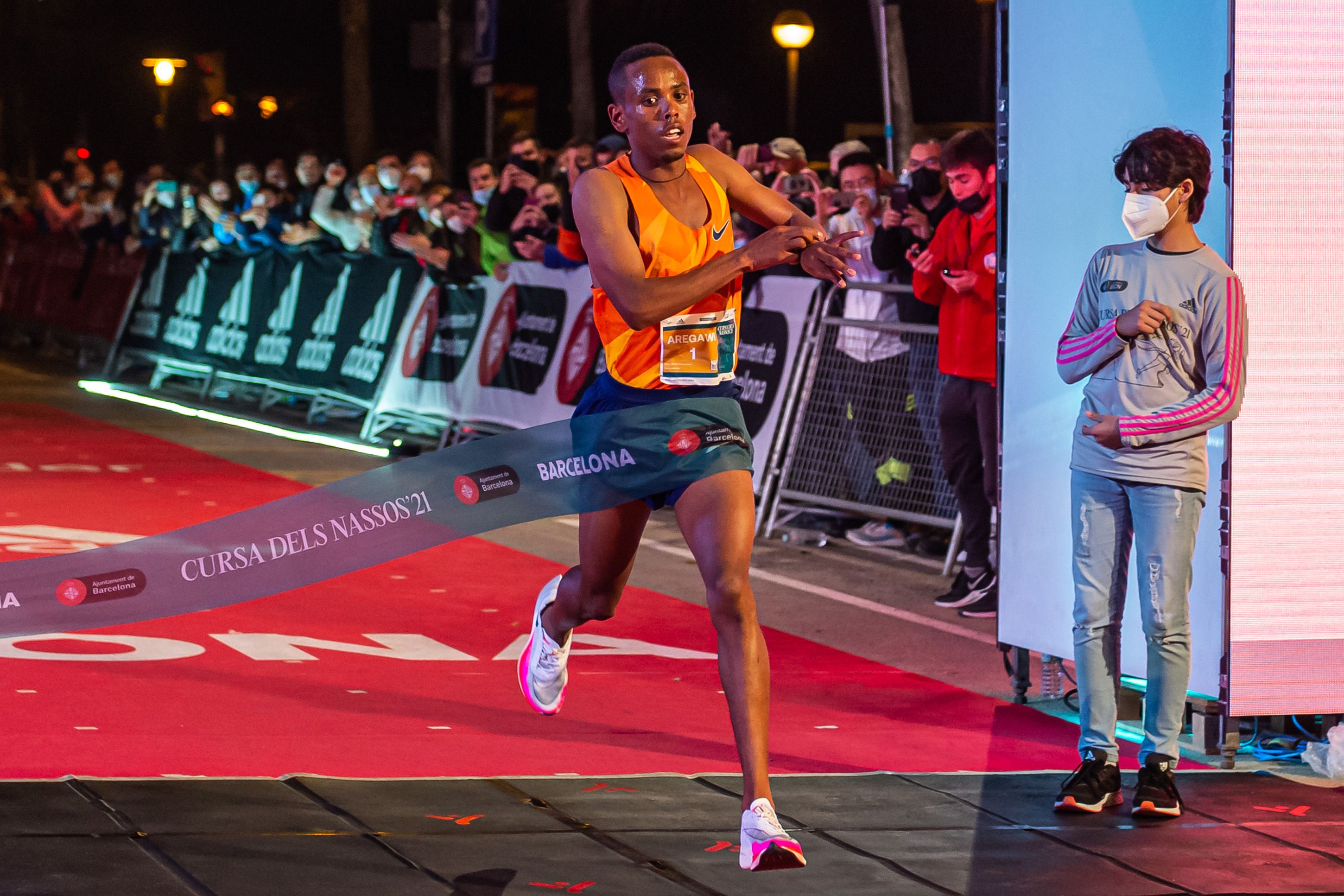
Aregawi Storms to World Gold
Tsige Duguma Aregawi did not just win a race – she exposed the brutal margins that still define elite athletics. In an era obsessed with pacing data, split screens, and perfectly engineered competition plans, the biggest prizes still often come down to one athlete reading the moment better than everyone else. That is the uncomfortable truth for rivals and coaches alike. Aregawi’s world title drive was not built on noise or hype. It was built on control, timing, and the ability to unleash a decisive move when the field thought the pressure had stabilized. For anyone tracking the World Athletics Championships or the next generation of middle-distance racing, this performance is more than a result. It is a warning: the smartest runner in the final lap can still make everyone else look ordinary.
- Aregawi’s win was defined by timing, not just raw pace.
- The race highlights how tactical discipline still beats predictable front-running.
- Modern athletics rewards both data and instinct, but instinct closed this one out.
- The result raises the bar for rivals heading into the next championship cycle.
The race that proved pacing is only half the story
The most compelling thing about Aregawi’s breakthrough is how little of it looked accidental. Championship races rarely reward the athlete who simply runs hardest from the gun. They reward the runner who can absorb pressure, stay calm in traffic, and then punish hesitation. That is where Tsige Duguma Aregawi separated herself. The race unfolded like a lesson in restraint: stay attached, avoid panic, and wait for the field to reveal its weakness. Once that opening appeared, she took it with the sort of precision that turns a good athlete into a champion.
For fans, this kind of win can feel deceptively simple. For competitors, it is devastating. Every move is a decision, and every decision is visible. When the pace shifts and the pack starts to fray, the athlete who has preserved the most composure usually gets the cleanest lane to victory. Aregawi’s performance underlined that championship running is not about looking dominant early. It is about being unavoidable late.
Why the World Athletics Championships still reward tactical nerve
Elite athletics has become increasingly sophisticated. Athletes train with performance labs, lactate tracking, GPS systems, recovery protocols, and race models that can predict fatigue before it visibly arrives. But even with all that machinery, no spreadsheet can replace judgment under stress. The World Athletics Championships remain one of sport’s purest tests because the final still forces athletes to improvise inside a plan. That is where Aregawi’s win matters beyond the medal table.
Her title run demonstrated three things the sport never escapes:
- Positioning matters more than many fans admit.
- Patience matters more than early aggression.
- Execution matters more than reputation.
The best championship runners understand that there is no prize for looking comfortable at 300 meters if you cannot answer at 700. Aregawi answered. That is why her race will be studied by athletes who know that the last lap is not just physical. It is psychological, tactical, and brutally unforgiving.
The hidden advantage of controlled aggression
There is a common misconception that decisive runners are simply more explosive. Often, they are just better at conserving that explosiveness until the moment it matters. Controlled aggression is the real edge. It means staying within the race while forcing others to spend energy reacting to you. It means making one move count instead of three half-moves that give the field a chance to regroup.
For Aregawi, the value of that approach was clear. She did not need to dominate every phase. She only needed the phase that mattered most. That is championship efficiency at its finest.
What separates elite championship runners from good ones is not how much power they have. It is how little of it they waste before the decisive moment.
What this win says about the next era of women’s middle-distance racing
Aregawi’s title does more than add another name to the honors list. It pushes the conversation forward about what women’s middle-distance racing now demands. The field is deeper, the pace is more nuanced, and the margin for error is razor-thin. Races are no longer won by one signature attribute alone. The champion now has to combine pace tolerance, race IQ, and a finishing gear that can survive championship pressure.
That creates a fascinating problem for the rest of the field. If athletes come prepared only to survive a fast pace, they can be outkicked. If they train only for speed, they can be cooked by sustained tempo. The modern championship runner needs both. Aregawi’s performance reinforces that the gold standard is no longer a single style – it is adaptability.
This is why the victory matters to coaches as much as to fans. It validates a training philosophy that blends aerobic strength with race-specific sharpening. The athlete who can sit on a pace, read the field, and then accelerate without hesitation is the athlete most likely to win when the stakes spike.
How Aregawi turned a race into a statement
Some victories are logged. Others are announced. Aregawi’s belongs in the second category. The significance is not just that she won, but how she won: with the authority of someone who understood the race before the rest of the field fully did. That is what makes a title performance memorable. It leaves the sense that the athlete did not merely respond to the race – she authored it.
For the broader sport, there is another layer here. Athletics has spent years trying to package itself as increasingly data-driven and universally accessible. Yet the most compelling races still depend on uncertainty. Fans want to see a race where the outcome is not obvious halfway through. Aregawi delivered that kind of uncertainty, then shut it down with precision. That combination is catnip for the sport.
Three lessons rivals should steal immediately
- Do not overcommit early. Championship tempo punishes ego.
- Protect your final acceleration. The race is often won by the freshest legs, not the loudest start.
- Train for disruption. Real finals rarely unfold exactly as planned.
These are not dramatic revelations, but they are the difference between chasing medals and collecting them. Aregawi’s race proves that the most effective preparation is not just fitness. It is readiness for chaos.
Why this matters beyond one gold medal
The immediate story is a world title. The bigger story is the template. In every cycle, athletics produces moments that reset expectations for what winning looks like. Aregawi’s breakthrough suggests that the sport still belongs to runners who can blend discipline with confidence and refuse the trap of predictable racing. That should matter to federations, coaches, broadcasters, and fans who want the sport to stay compelling.
There is also a commercial side to this. Championship performances help build narratives, and narratives drive attention. A title win that feels inevitable in hindsight is useful, but a title win that feels earned through tactical intelligence creates a stronger memory. It makes athletes easier to follow, easier to market, and harder to ignore. In a crowded sports media landscape, that is not a small thing.
More importantly, it reminds the audience that elite athletics is still beautifully human. Technology can inform preparation, but it cannot remove uncertainty. The athlete still has to choose, endure, and strike. Aregawi made the right choice at the right moment. That is the whole game.
The bottom line on Aregawi’s world title run
Aregawi’s gold medal is a masterclass in championship racing: stay calm, stay close, and strike when the moment opens. It was smart, ruthless, and undeniably effective. For the rest of the field, the message is simple: if you cannot match the patience, you will not survive the finish. For everyone else watching, this was a reminder that athletics at its best still feels like a chess match run at top speed. The fitness matters. The tactics matter. But the final truth is still the same: the athlete who controls the critical moment usually controls the medal.
The information provided in this article is for general informational purposes only. While we strive for accuracy, we make no guarantees about the completeness or reliability of the content. Always verify important information through official or multiple sources before making decisions.