Asia Rushes to Lock Down Oil
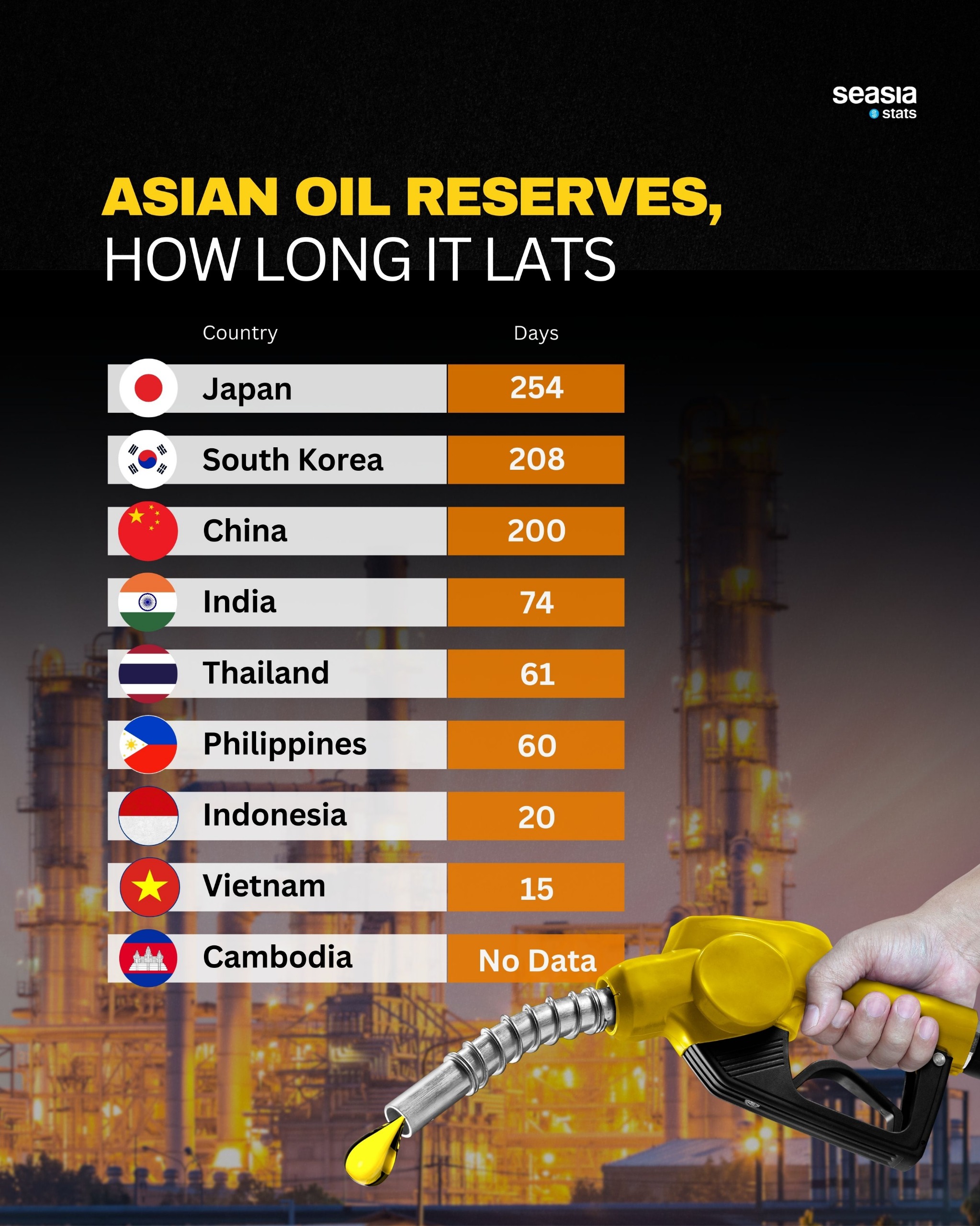
Asia Rushes to Lock Down Oil
Asia’s strategic oil reserves are no longer a sleepy back-office policy tool. They are becoming a front-line defense against supply shocks, freight disruptions, and geopolitical pressure that can hit prices before policymakers can react. For governments across the region, the math is brutal: a few days of disrupted imports can ripple through transport, manufacturing, and inflation, and that means political pain almost immediately. As crude markets stay volatile and trade routes look increasingly fragile, stockpiling oil is turning into a high-stakes insurance policy. The real story is not just about tanks and barrels. It is about leverage, resilience, and how quickly Asian economies can absorb a crisis without blowing up growth or consumer confidence.
- Asia is building strategic oil reserves to reduce exposure to sudden supply shocks.
- The move reflects rising geopolitical risk, shipping instability, and energy-market volatility.
- These reserves are as much about economic stability as they are about emergency preparedness.
- The approach could reshape how governments think about energy security and inflation defense.
- Storage, timing, and coordination are becoming strategic advantages, not just logistics issues.
Why Asia Strategic Oil Reserves Matter Now
For years, strategic petroleum reserves were treated like dormant insurance: important, but rarely urgent. That logic is breaking down. Asia imports much of the oil that powers its factories, fleets, and power systems, which means the region is unusually exposed when supply chains wobble. A refinery outage, a conflict near a shipping lane, or a sudden export cut can send prices up before any meaningful diplomatic response arrives. Asia strategic oil reserves are now a macroeconomic tool, not just an emergency stash.
The stakes are especially high in economies where fuel costs quickly bleed into food prices, logistics, and industrial margins. Governments do not need a total supply collapse to feel pain. They need only a few tense weeks of higher crude prices to trigger inflation pressure and weaken consumer sentiment. That is why reserve-building is suddenly looking less like belt-and-suspenders planning and more like a competitive necessity.
The New Energy Security Playbook
The region’s response is less about self-sufficiency and more about buffering volatility. Few Asian economies can fully replace imported crude, but they can buy time. That time matters. It gives governments room to release barrels, calm markets, and avoid panic buying. It also gives refiners and traders a predictable safety net, which can reduce the chance of opportunistic price spikes.
Storage capacity is power
Not all reserves are equal. Capacity, location, and release speed determine whether a stockpile is a serious instrument or just an expensive warehouse. A country with limited storage can still be vulnerable even if it owns large nominal reserves. Conversely, a tightly managed reserve system with clear release rules can punch above its weight in a crisis.
That is why the logistics matter as much as the headline numbers. Terminals, pipelines, and port access can decide whether reserves are usable in days or only after markets have already panicked. For governments, the real test is not how much oil they have on paper. It is how quickly they can make that oil matter when it counts.
Strategic reserves are effective only if they can be deployed faster than markets can spiral. In energy security, speed is leverage.
Asia Strategic Oil Reserves and the Geopolitical Squeeze
The push to expand reserves is also a reaction to a more fragmented world. Maritime chokepoints, sanctions regimes, conflict zones, and export controls are all making the oil market less predictable. Asia sits at the center of that exposure. Many of the region’s largest importers depend on long, vulnerable supply lines that pass through contested or congested routes.
That vulnerability creates a strategic paradox. The more reliant an economy is on imported energy, the more valuable its reserve stockpile becomes. But the more it stores, the more expensive the policy becomes. Governments must balance national resilience against the fiscal burden of holding a large commodity asset that can lose value if prices fall. This is not a simple yes-or-no decision. It is portfolio management at the state level.
The deeper shift is psychological: policymakers are no longer assuming the market will always clear cleanly. They are planning for friction. That alone marks a major change in how Asian capitals think about energy.
The Economics Behind the Stockpile
Building reserves is expensive, but so is not building them. That is the central political equation. When crude rises sharply, the cost shows up in transport subsidies, industrial support programs, and inflation relief measures. A reserve can reduce the need for those emergency interventions, especially if it helps calm public expectations early.
There is also a broader business case. Manufacturers, airlines, shipping firms, and heavy industry all benefit when governments can reassure markets. Stable fuel pricing improves planning. It also makes it easier for companies to hedge exposure without paying crisis premiums. In that sense, strategic reserves function like a hidden economic utility. They are not glamorous, but they help preserve the machinery of growth.
What makes this a smart hedge
- It softens short-term price shocks.
- It buys policymakers time to negotiate or diversify supply.
- It can reduce speculative panic in commodity markets.
- It supports inflation control without immediate tax hikes or broad subsidies.
Still, reserves are not magic. They do not change global supply fundamentals. They do not prevent disruption. They only reduce the damage. That is why the strongest reserve strategies are paired with broader energy planning: diversification of import sources, improved refinery flexibility, and, increasingly, investment in alternatives that reduce oil dependence over time.
Why This Matters for Businesses and Consumers
For business leaders, the significance of Asia strategic oil reserves goes beyond energy policy circles. A larger reserve buffer can shape procurement strategy, shipping costs, and inflation expectations across multiple sectors. Companies that rely on diesel, jet fuel, petrochemicals, or global freight should read this as a signal that governments are preparing for harsher market swings.
For consumers, the impact is indirect but real. If reserves help blunt a shock, households may face smaller jumps in fuel and transport costs. That can make the difference between manageable inflation and a broader squeeze on wages. In politically sensitive markets, that matters a lot. Energy security is often sold as a national defense issue, but it lands most clearly in the household budget.
When fuel markets get ugly, strategic reserves do not solve the problem. They determine whether the problem becomes a crisis.
Pro Tips for Tracking the Next Move
If you want to judge whether Asia’s reserve push is meaningful or just headline noise, watch for a few signals.
- Announcements about new storage terminals or reserve expansions.
- Changes in release rules that make stockpiles easier to deploy.
- Moves to coordinate reserve policy across neighboring markets.
- Budget language that treats energy security as a national resilience priority.
- Private-sector investments in storage, refining, or import infrastructure.
Also watch timing. Governments often expand reserves when prices are softer, not when markets are already screaming. That can make the policy look boring until the moment it suddenly matters. The smartest reserve strategy is invisible during calm periods and decisive during stress.
The Bigger Strategic Bet
The long-term implication is that Asia is treating oil not just as a commodity, but as a strategic asset that must be managed with the same seriousness as currency reserves or defense logistics. That shift could influence everything from trade negotiations to infrastructure investment. It may also accelerate efforts to diversify away from oil-heavy systems, because every barrel stored is a reminder of how exposed the region still is.
That said, the rise of strategic reserves does not mean the region is abandoning fossil fuel dependence anytime soon. It means policymakers are making a pragmatic admission: transition timelines are long, but volatility is immediate. Until cleaner systems scale faster, oil will remain the fuel of last resort for economic stability. And if that is true, then reserve policy becomes one of the most practical forms of statecraft available.
The takeaway is clear. Asia is not stockpiling oil because it expects a single dramatic crisis. It is stockpiling because the new normal is uncertainty. In that environment, the countries that can absorb shocks fastest will have an edge – not just in energy markets, but in growth, inflation control, and political resilience.
The information provided in this article is for general informational purposes only. While we strive for accuracy, we make no guarantees about the completeness or reliability of the content. Always verify important information through official or multiple sources before making decisions.
