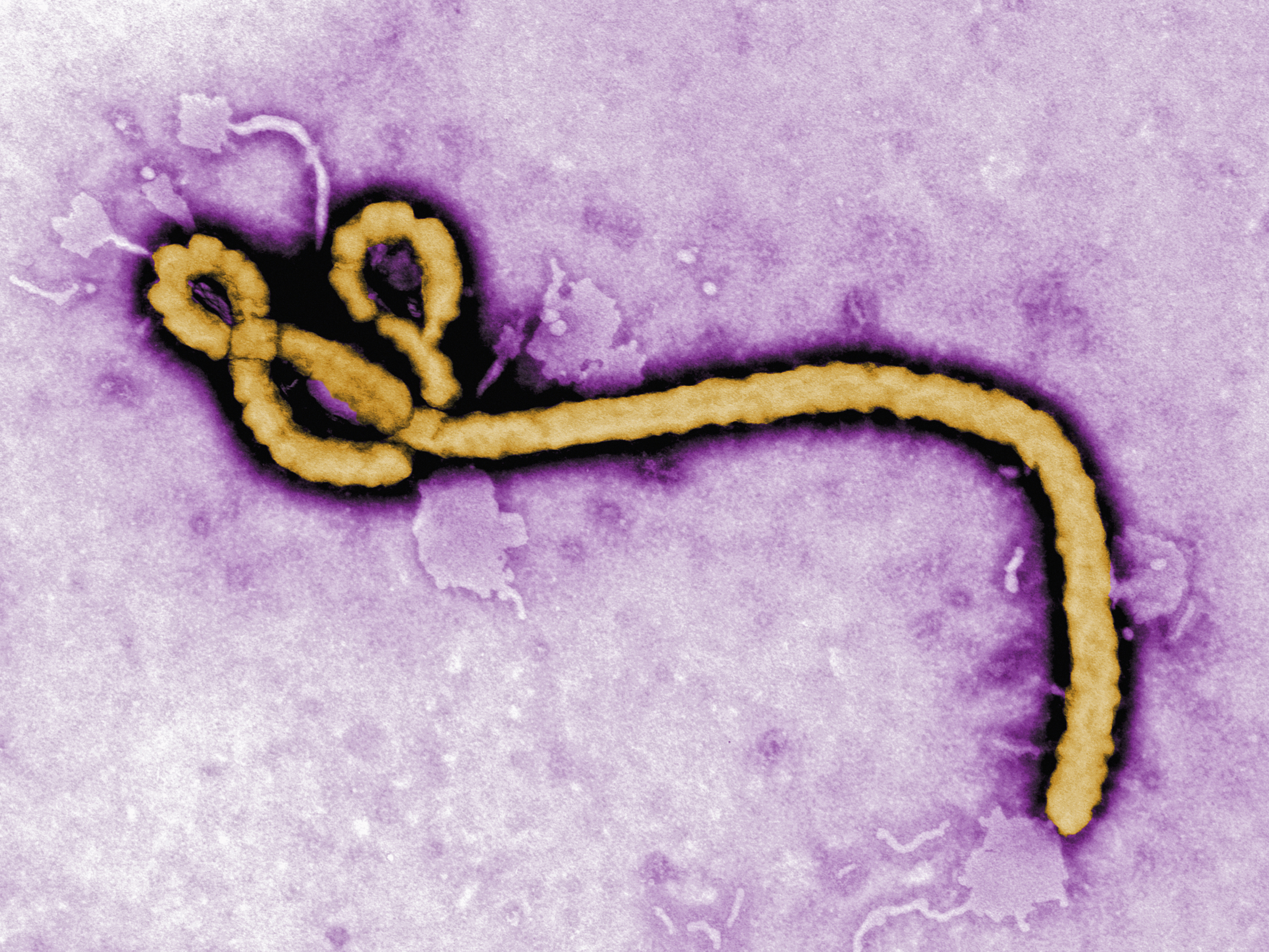
Australia Locks Down Bird Flu Threat
Australia Locks Down Bird Flu Threat
Australia’s biosecurity playbook is being tested again, and this time the stakes are brutally clear: if H5N1 gets a foothold in local poultry or migratory wild birds, the fallout could reach farm gates, supermarket shelves, and export markets fast. The country has so far avoided the worst of the global bird flu wave, but that does not mean it is safe. Authorities are now tightening controls around wild birds and poultry farms in Western Australia after fresh concerns about the virus spreading through ecosystems that are hard to police and even harder to predict. For producers, the threat is not just animal health. It is the risk of sudden culls, movement restrictions, price shocks, and a biosecurity bill that keeps climbing.
- Australia is moving quickly to contain
H5N1before it spreads deeper into poultry systems. - Wild birds remain the hardest-to-control transmission vector.
- Poultry operators face rising costs, tighter monitoring, and possible market disruption.
- The response now will shape how resilient Australia is if avian influenza becomes endemic.
Why this H5N1 bird flu alert matters now
The immediate danger is obvious: H5N1 is one of the most aggressive avian influenza strains circulating globally, and when it jumps between wild species and commercial flocks, containment gets ugly fast. The less obvious problem is timing. Australia’s poultry industry depends on speed, trust, and tightly controlled supply chains. A single outbreak can force farmers to isolate birds, halt transport, intensify testing, and in some cases destroy entire flocks to protect surrounding operations. That is not just a farm problem. It is a logistics problem, a labor problem, and a consumer confidence problem. The current lockdowns in Western Australia reflect a simple reality: biosecurity is only as strong as the weakest point between wetlands, backyard birds, feed sheds, and transport routes.
The new perimeter around farms and wild birds
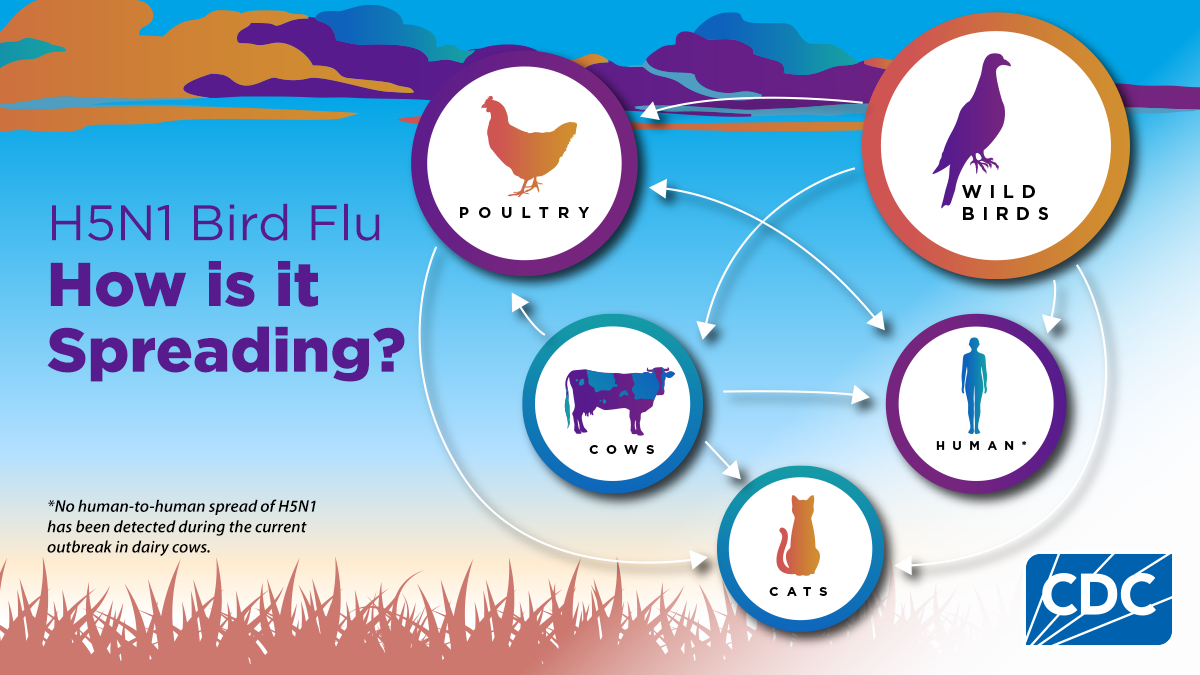
Authorities are treating the threat as a chain reaction rather than a single event. Wild birds can carry the virus across long distances, especially during seasonal movement patterns, while poultry farms can amplify the pathogen once it gets inside. That means the response is less about a dramatic one-off intervention and more about building layers of friction around the virus.
What a farm lockdown usually means
In practical terms, a poultry lockdown can involve controlled access points, disinfectant stations, restricted vehicle movement, tighter monitoring of bird health, and limits on the transfer of eggs, feed, equipment, or live birds. Staff may be told to follow stricter hygiene routines and log every movement. The goal is to reduce the odds that the virus moves from one site to another through boots, crates, trailers, or contaminated surfaces.
That sounds simple until you scale it across an industry built on constant movement. Once a region starts layering restrictions, the operational load rises immediately. Smaller producers feel it first because they have fewer buffers and less room to absorb delays.
Why wild birds are the real wildcard
Wild birds are the hardest part of any avian flu response because they are not contained by fences, farm protocols, or human compliance. They cross waterways, rest on shared feeding grounds, and move through habitats that overlap with agricultural land. In other words, they can carry risk into places that otherwise look clean and controlled. That is why authorities focus on surveillance, testing, and limiting contact between domestic poultry and natural water sources where possible.
Biosecurity fails when people assume the threat is visible. With avian influenza, the invisible movement of waterfowl and contaminated materials is often the real problem.
The H5N1 bird flu playbook is getting stricter
The latest response shows how the global bird flu crisis has changed the baseline for governments. A few years ago, emergency action often meant localized containment and cleanup. Now, because H5N1 has spread across multiple continents and impacted wildlife at scale, agencies are increasingly acting earlier and harder.
Surveillance is the first line of defense
Testing wild birds, monitoring dead birds, and tracking unusual mortality events are all part of a modern detection strategy. This is where the public often misunderstands the process: surveillance is not about panic, it is about shortening the time between viral arrival and human response. The faster a case is confirmed, the more likely it is that farms can be ring-fenced before the virus spreads through a production region.
Containment beats cure
There is no elegant fix once H5N1 gets into poultry. Vaccination debates continue globally, but the operational default remains containment, culling when necessary, and aggressive sanitation. That is why governments prefer to spend heavily on prevention rather than manage a broad outbreak later. Every hour saved in detection can prevent days of disruption downstream.
What this means for poultry farmers
For producers, the message is blunt: the cost of doing business in a bird flu era is rising. Farmers now need to think like risk managers as much as food producers. That means reviewing perimeter security, tightening protocols for contractors, validating cleaning procedures, and documenting every unusual bird death immediately.
There is also a psychological toll that does not show up on balance sheets. A farm under restriction is a farm under pressure. Staff anxiety rises, routine gets interrupted, and decision-making becomes more cautious. The industry knows that once confidence slips, buyers and retailers start asking harder questions.
- Audit access points: Know who enters each site and when.
- Separate clean and dirty zones: Reduce cross-contamination between vehicles, people, and equipment.
- Report faster: Unusual illness or mortality should trigger immediate veterinary review.
- Protect water sources: Minimize contact between domestic birds and wild bird habitats.
- Train everyone: Biosecurity only works if contractors and casual staff follow the same rules as owners.
Why Australia’s response is being watched globally
Australia matters here because it has largely avoided the scale of poultry devastation seen elsewhere. That makes it something of a stress test: can a wealthy, highly regulated agricultural system keep H5N1 from becoming entrenched? If it can, other countries may study the model. If it cannot, it reinforces a grim conclusion already forming elsewhere: the modern bird flu threat is not episodic, it is structural.
There are trade implications too. Export markets are sensitive to animal disease status, and any sustained outbreak can trigger scrutiny, delays, or temporary barriers. That creates pressure well beyond the infected zone. Farmers, processors, and logistics firms all get pulled into the same risk profile.
What makes avian influenza different from many animal health issues is that it does not stay politely on the farm. It moves through wildlife, commerce, and policy at the same time.
The next phase in the H5N1 bird flu response
The next few weeks will likely revolve around one question: is this a contained scare or the start of something more persistent? That answer depends on surveillance results, how quickly authorities identify links between wild birds and poultry sites, and whether additional regions need restrictions. Expect more testing, more reporting requirements, and probably more public messaging urging people not to handle sick or dead birds.
Potential future implications
If the virus keeps showing up in wildlife, Australia may have to live with a longer-term containment model rather than a short-term emergency response. That could mean ongoing seasonal monitoring, stronger farm infrastructure, and more expensive compliance for producers. It may also accelerate interest in better vaccines, smarter diagnostics, and digital traceability tools that can map movement between farms faster than manual records ever could.
For consumers, the impact could be subtle at first: supply tightening, price volatility, and occasional product shortages. But the real story is more strategic. A durable bird flu threat would force a rethink of how agricultural systems balance efficiency with resilience. Lean supply chains are great until a virus exposes how thin they really are.
The bottom line on Australia’s bird flu lockdowns
Australia’s response to H5N1 is a reminder that biosecurity is no longer a background concern. It is a front-page issue with consequences for food security, trade, and public trust. Locking down farms and watching wild birds closely may look like a cautious move, but caution is exactly what this moment demands. The virus rewards delay and punishes complacency. If authorities can keep it out, Australia preserves one of its most valuable advantages: a poultry sector that still has a chance to stay ahead of the global outbreak curve.
If they cannot, the country will join a growing list of places learning the same lesson the hard way: with bird flu, the response window closes fast.
The information provided in this article is for general informational purposes only. While we strive for accuracy, we make no guarantees about the completeness or reliability of the content. Always verify important information through official or multiple sources before making decisions.