Bahamas Reelects Philip Davis
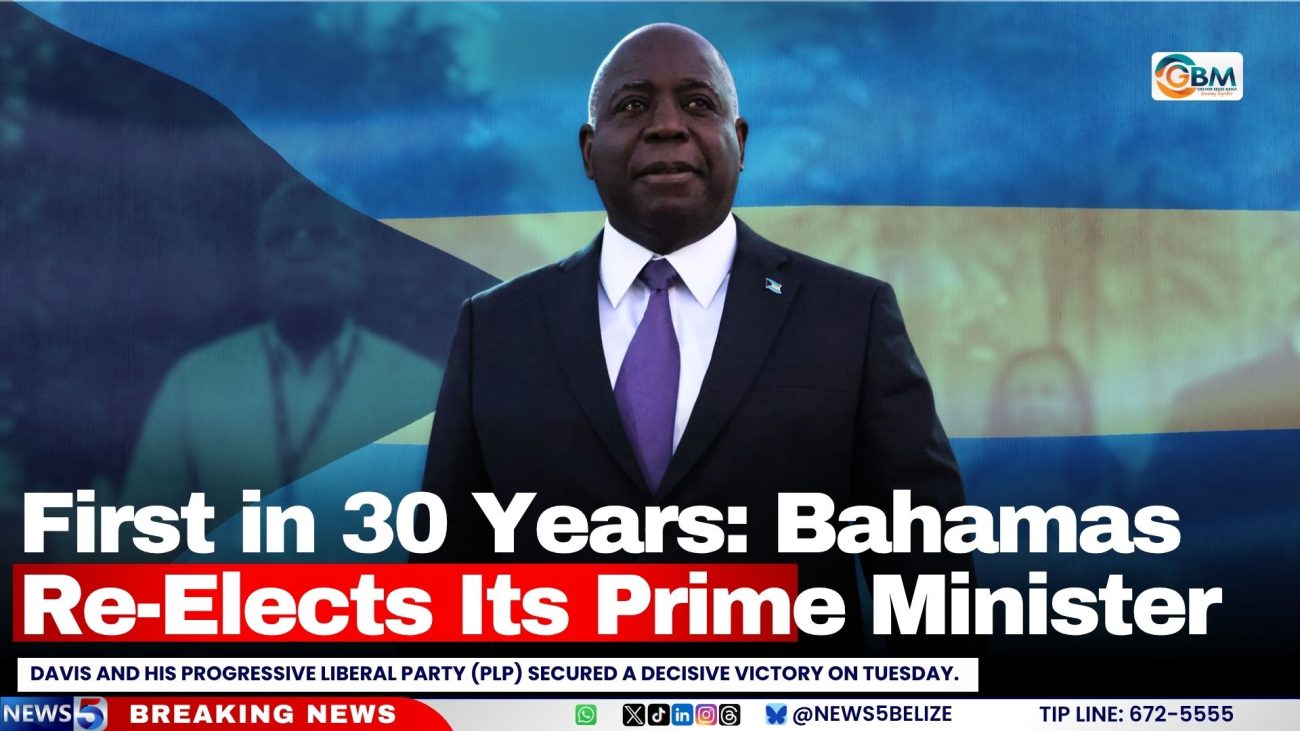
Bahamas Reelects Philip Davis
The Bahamas reelects Philip Davis at a moment when small island democracies are under outsized pressure. Inflation is still biting. Tourism remains both a lifeline and a vulnerability. Climate threats are no longer abstract. And voters across the Caribbean are increasingly ruthless about whether incumbents can actually deliver. That is what makes this result more than a routine election win. It is a test of whether a governing party can persuade citizens that stability, targeted reform, and economic management still outweigh the political appetite for disruption.
For businesses, regional observers, and Bahamian households, the message is clear: continuity won. But continuity is not the same thing as a blank check. The new mandate for Davis and the Progressive Liberal Party looks less like a victory lap and more like a performance contract – one tied to cost of living relief, jobs, public services, and long-term resilience.
- The Bahamas reelects Philip Davis, giving the governing Progressive Liberal Party another mandate.
- Voters appear to have prioritized stability, economic stewardship, and continuity over a change in leadership.
- The result raises pressure on the government to tackle inflation, inequality, and climate resilience.
- For regional politics, the election highlights how incumbents can still win if they frame themselves as competent managers.
Why the Bahamas reelects Philip Davis now
Elections in island economies are rarely about a single issue. They are usually referendums on whether daily life feels manageable. When prices rise, housing becomes harder to afford, and governments ask citizens to be patient, patience usually has an expiration date. The significance of this election is that Davis appears to have convinced enough voters that his government either delivered enough already or remains the safer bet for what comes next.
That matters because the Bahamian economy sits at the intersection of opportunity and fragility. Tourism can recover fast, but it can also wobble fast. Foreign investment can fuel growth, but it can widen perceptions of uneven gains if ordinary households do not feel the benefits. A reelected government inherits momentum, but also a much sharper standard for accountability.
Election wins in fragile, tourism-heavy economies are rarely ideological landslides. They are often decisions about who looks most capable of managing risk without making everyday life worse.
The real story behind the result
At a surface level, the headline is simple: the incumbent prime minister keeps power. The deeper read is more interesting. Voters did not just choose a party. They chose a theory of governance. That theory says experienced leadership, institutional familiarity, and gradualism may still be preferable to political volatility.
There are a few likely drivers behind that choice.
Economic continuity still has political value
When economies depend heavily on sectors like tourism and financial services, uncertainty can become its own political liability. A promise of continuity can reassure investors, preserve confidence, and reduce fear around abrupt policy swings. Even voters who are frustrated may decide that a known government is better than an untested reset.
For Davis, this kind of appeal is practical rather than glamorous. It is about preserving jobs, maintaining external confidence, and signaling that the government can keep the core machinery of the economy moving.
Incumbency works when it looks competent
Incumbents usually lose when they appear detached, chaotic, or ineffective. They can survive intense dissatisfaction if they still project control. The Bahamas reelects Philip Davis because enough voters likely saw a government that was not perfect but remained legible. In modern politics, that is a real advantage.
Competence is now campaign currency. It may not inspire passion, but it can suppress the demand for upheaval.
Climate pressure changes the leadership test
Any Bahamian election now takes place under the shadow of climate risk. Storm recovery, infrastructure hardening, insurance pressure, and coastal resilience are not niche policy topics. They shape economic security, public spending, and household anxiety. A government that can argue it understands these long-horizon threats may gain trust, even from skeptical voters.
What this mandate means for the Bahamian economy
The next phase of the Davis government will be judged less on campaign language and more on execution. Reelection resets expectations upward. Citizens who voted for continuity will now expect results at a faster pace.
Tourism cannot be the whole growth story
The central challenge is obvious. Tourism is essential, but overdependence creates political and economic exposure. A hurricane, global slowdown, public health event, or travel demand shift can rapidly hit employment and revenue. That means a second-term government needs a sharper diversification story.
Possible priorities likely include:
- Strengthening higher-value services and investment channels
- Supporting small business formation beyond the tourism corridor
- Improving workforce training and labor mobility
- Modernizing infrastructure linked to logistics, energy, and digital services
None of these are easy wins. But without them, economic growth risks becoming cyclical rather than durable.
Cost of living is the issue that can erase political goodwill
Governments often celebrate macroeconomic stability while voters focus on grocery bills, rent, utilities, and wages. If the reelected administration cannot narrow that gap, its new mandate will weaken fast. Cost of living is not just an economic issue. It is a trust issue. It determines whether people believe growth is real or just statistical.
A serious second-term strategy would likely need to pair business confidence with visible household relief. That can mean better-targeted subsidies, stronger public service delivery, and a more disciplined approach to affordability.
Winning reelection proves political strength. Lowering everyday pressure proves governing strength.
Why this matters beyond Nassau
Regional elections are often treated as local stories, but this one carries wider significance. Across the Caribbean and other small democracies, incumbents are struggling with the same impossible brief: attract investment, manage inflation, prepare for climate shocks, and convince voters that long-term planning is compatible with short-term pain.
The Bahamas reelects Philip Davis, and that sends a signal to neighboring governments and opposition parties alike. First, incumbency is not dead. Second, voters can still reward moderate, establishment leadership if it feels credible. Third, crisis management has become a defining political skill.
International partners will also read this result through a strategic lens. Continuity in leadership usually means continuity in diplomatic style, fiscal messaging, and investor relations. That can strengthen the country’s position in regional cooperation, climate financing discussions, and cross-border economic planning.
The risks hiding inside a win
Every reelection contains a trap: the temptation to mistake survival for endorsement of every policy choice. That would be the wrong lesson here. Electoral victories in pressured economies often reflect relative confidence, not unlimited enthusiasm.
A stronger opposition can emerge from disappointment
If the governing party fails to convert continuity into delivery, opposition forces may return more focused and more persuasive next time. Reelection buys time, but it also raises the stakes. Voters who stick with incumbents despite frustration become even less forgiving if progress stalls.
Global shocks still outrun domestic politics
No administration fully controls imported inflation, tourism demand, commodity pricing, or the pace of climate disasters. That means the Davis government must govern with unusual realism. The political challenge is to communicate what can be fixed domestically and what requires adaptation rather than easy promises.
Trust can erode faster in a second term
First terms often benefit from patience. Second terms rarely do. Citizens expect systems to function better, projects to move faster, and excuses to shrink. That makes transparency, measurable policy outcomes, and visible execution critical.
What to watch next after the Bahamas reelects Philip Davis
The immediate aftermath of any election is flooded with symbolism, but the more revealing signals usually come later. Watch personnel decisions, cabinet priorities, budget language, and the first public tests of urgency.
Key indicators to monitor include:
- Whether the government moves quickly on affordability and public service delivery
- How aggressively it addresses climate resilience and infrastructure preparedness
- Whether business policy favors broad-based opportunity or remains concentrated
- How effectively it communicates milestones, timelines, and trade-offs
Pro Tip: In post-election analysis, the strongest clue is not rhetoric. It is sequencing. Governments reveal their true priorities by what they fund first, staff first, and defend most aggressively.
The bottom line
The Bahamas reelects Philip Davis, and the result looks like a vote for steadiness in an age of economic and environmental strain. But steady leadership only works if it keeps moving. This is not a symbolic mandate. It is an operational one.
The government now has a chance to prove that continuity can deliver affordability, resilience, and broader prosperity. If it succeeds, the election will look like a smart bet on experienced governance. If it fails, this win will be remembered as a temporary pause before a harsher political correction.
For now, the takeaway is simple: Bahamian voters did not reject pressure, frustration, or uncertainty. They made a pragmatic choice about who they trust to manage it. That trust has been renewed. It has not been guaranteed.
The information provided in this article is for general informational purposes only. While we strive for accuracy, we make no guarantees about the completeness or reliability of the content. Always verify important information through official or multiple sources before making decisions.