Boeing pleads guilty as the 737 Max reckoning accelerates
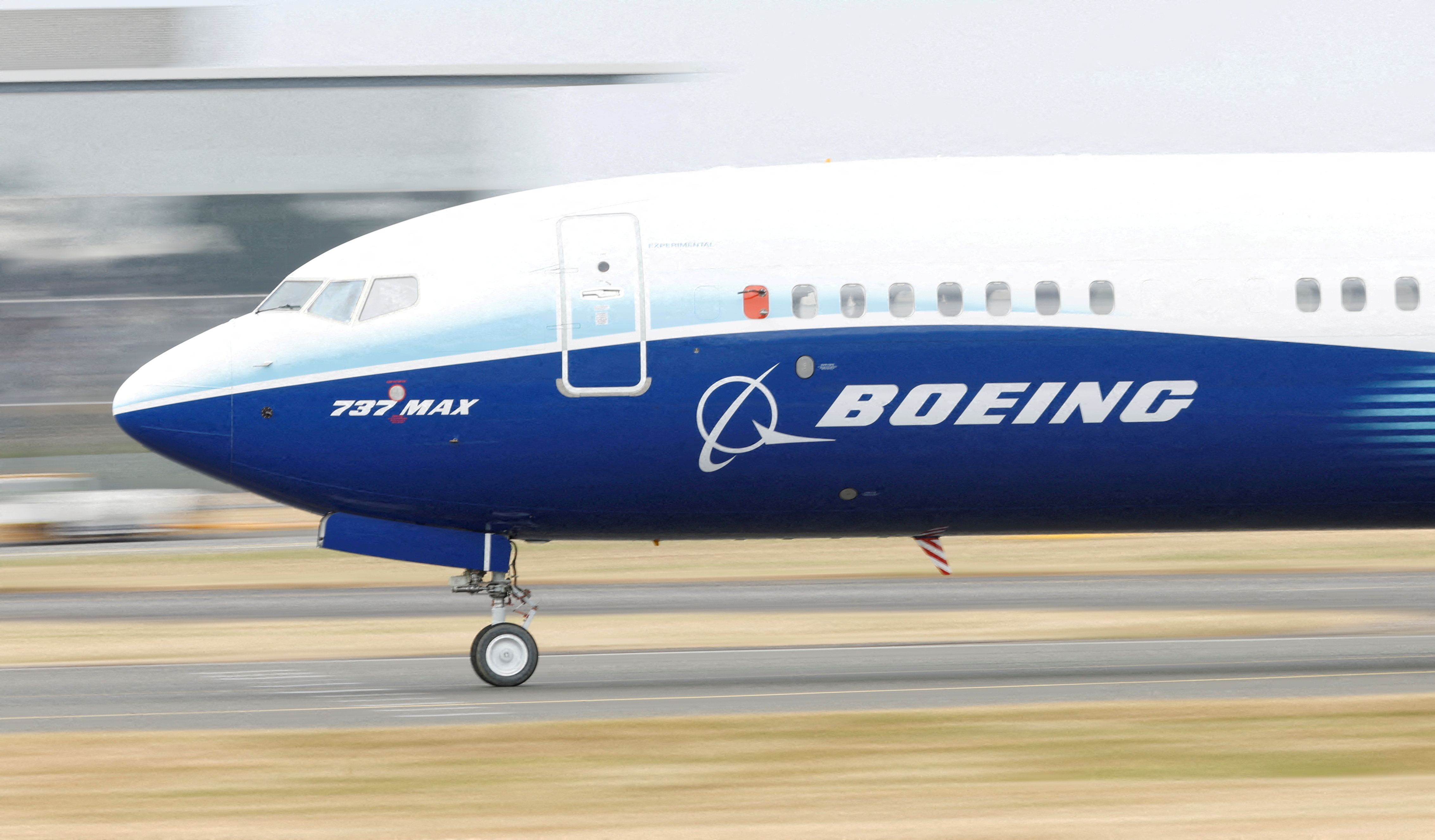
The Boeing 737 Max guilty plea lands like a shockwave through aviation and Wall Street: a storied manufacturer now concedes criminal wrongdoing tied to two crashes, while regulators prepare for deeper oversight. For airlines juggling schedules, for engineers recalibrating MCAS, and for passengers weighing trust in the brand, the moment raises a blunt question: can Boeing rebuild credibility faster than the market’s patience runs out? The plea tees up fines, an independent monitor, and a reset in the relationship with the FAA and DOJ – and it arrives just as production bottlenecks, whistleblower claims, and geopolitics squeeze the supply chain. The stakes: not just Boeing’s quarterly cash flow, but the rhythm of global travel itself.
- Boeing 737 Max guilty plea triggers fines, an independent compliance monitor, and tougher federal oversight.
- Families of crash victims say the deal underdelivers on accountability, potentially reopening legal fights.
- Production caps, supplier stress, and certification timelines could tighten as regulators reassert control.
- Airlines and leasing firms must hedge fleet plans amid uncertain delivery schedules and higher financing costs.
Boeing 737 Max guilty plea and the new accountability calculus
The plea terms and federal oversight
Boeing’s agreement converts past deferred prosecution into a formal conviction on fraud-related conduct tied to MCAS disclosures. The likely package: a criminal fine, court-appointed compliance monitor, mandatory safety improvements, and a multi-year probation. The monitor will dissect engineering sign-offs, software change management, and reporting lines to the FAA, forcing Boeing to document every control in auditable detail. That means program managers will live inside checklists and action logs rather than informal tribal knowledge, and any variance could trigger corrective orders from regulators.
“Monitorship is not symbolic – it is a daily audit of culture,” notes one former aerospace compliance chief, arguing that public trust now hinges on verifiable processes, not promises.
What families wanted vs what was offered
Families of the 2018 and 2019 crash victims pushed for a trial and a larger financial sanction. Their critique: the plea frames misconduct as disclosure failures instead of systemic negligence. While compensation funds and prior settlements exist, the symbolic value of a courtroom airing remains absent. Expect parallel civil suits to challenge the adequacy of the deal and potentially surface new discovery on internal emails, simulator data, and supplier warnings. Politically, lawmakers face pressure to show that corporate crime meets real penalties, not just compliance paperwork.
Boeing 737 Max guilty plea: operational and financial shockwaves
Production caps and supplier pressure
The FAA already capped monthly 737 output, and the plea gives regulators leverage to keep that ceiling until safety systems mature. Suppliers like Spirit AeroSystems face volatile order volumes; any audit finding can ripple into delayed fuselages, wiring harnesses, and avionics deliveries. Airlines betting on summer capacity may juggle gate swaps, wet leases, or accelerated heavy checks on older frames to cover shortfalls. The knock-on: higher maintenance budgets and tighter on-time performance metrics.
Cash flow, stock reaction, insurance
Boeing’s balance sheet absorbs direct fines plus indirect costs from production throttling. Free cash flow guidance already leans on clearing stored airframes; if regulators slow handovers, that inventory turns into a cash drag. Equity markets have priced in reputational risk, but a conviction can elevate borrowing costs and covenant scrutiny. Insurers could revisit premiums on manufacturer liability and certification risk, raising the cost base for both Boeing and operators.
Regulatory reset and safety culture rehab
MCAS lessons and engineering controls
The plea underscores that concealment of MCAS behavior from pilots and regulators was catastrophic. Now, expect expanded disclosure on any flight-control software, standardized simulator time for meaningful changes, and stricter documentation of hazard analyses under ARP4754A and DO-178C. Internal gates will likely require dual sign-off from safety and engineering chiefs, with automated traceability from requirements to test cases. Pro tip: airlines should lock in additional simulator slots now, anticipating mandatory training addenda.
Workforce and whistleblower dynamics
Monitorship tends to empower employees who escalate concerns. Boeing will need fortified channels for anonymous reporting, rapid root-cause analysis, and publicly trackable remediation. That means investing in issue-tracking platforms and independent review boards that sit outside program profit centers. Expect unions and engineering councils to push for role clarity between schedule-driven managers and safety signatories, reducing the risk that production pressure silences dissent.
Market and geopolitical implications
Airline fleet planning
Carriers in North America, Europe, and India rely on single-aisle jets for margin-rich domestic routes. Delivery uncertainty forces them to hedge with lease extensions on older NG frames or to re-open Airbus orders. A sustained cap on 737 output could compress secondary market supply and lift lease rates. Low-cost carriers may adjust growth projections, while legacy airlines prioritize reliability over rapid expansion.
Competitors Airbus and COMAC
Airbus stands to gain if airlines shift to the A320neo family, but its own slots are nearly sold out. Chinese manufacturer COMAC will tout the C919 as an alternative, yet certification outside China remains a hurdle. Geopolitics complicates sourcing: US export controls, EU industrial policy, and China’s domestic priorities all intersect with fleet choices. Boeing’s plea could become a talking point in trade negotiations, as governments weigh safety oversight against national aerospace jobs.
Boeing 737 Max guilty plea: what to watch next
Court approval and monitorship timeline
The deal requires judicial approval, and the judge can adjust terms or fine levels. Once appointed, the monitor will set milestones – from gap assessments to remediation deadlines – likely published in periodic reports. Each phase could influence production ramps, making the monitorship calendar a de facto delivery schedule. Investors should track those filings as closely as earnings calls.
Product roadmap and long-term trust
Boeing must decide whether incremental fixes to the 737 line suffice or whether to accelerate a clean-sheet narrow-body. A fresh design would reset trust but demand billions in R&D and years of certification. Meanwhile, transparency with pilots, regulators, and passengers will define the brand. Why it matters: aviation safety is a collective good; Boeing’s compliance work will ripple through how airlines budget training, how regulators calibrate audits, and how travelers judge every boarding announcement.
The information provided in this article is for general informational purposes only. While we strive for accuracy, we make no guarantees about the completeness or reliability of the content. Always verify important information through official or multiple sources before making decisions.


