Booker Prize Longlist Signals a Bold Fiction Shift
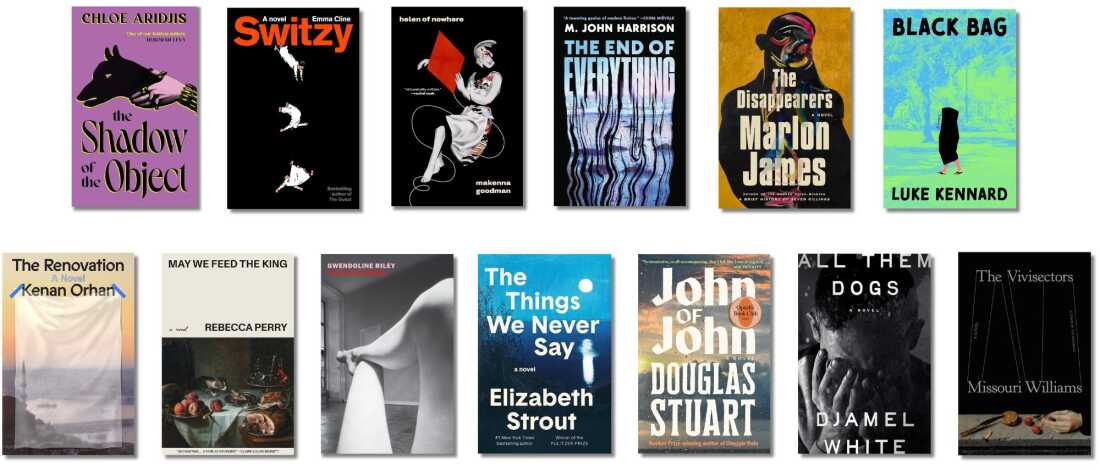
Booker Prize Longlist Signals a Bold Fiction Shift
The Booker Prize longlist for 2026 is more than a seasonal roll call for literary insiders. It is a referendum on what fiction can still do in an attention economy that rewards speed, certainty, and algorithm-friendly sameness. Each year, the Booker Prize tries to answer an uncomfortable question: which novels feel necessary right now? This longlist suggests the answer is not safer, slimmer, or easier to categorize. It is bigger, stranger, and more internationally alert. That matters because prizes do not merely crown winners – they shape publishing budgets, bookstore displays, rights deals, translation pipelines, and what readers are told counts as serious literature. When the list changes, the market follows. And when the market follows, so does the culture.
- The 2026 Booker Prize longlist points toward fiction that is riskier and more globally minded.
- Prizes like the Booker still influence publishing decisions, translation demand, and author visibility.
- The longlist reflects a wider industry shift toward books that blend literary craft with urgent contemporary themes.
- Readers looking for ambitious fiction should treat the list as a high-signal discovery tool, not just an awards watchlist.
Why the Booker Prize Longlist still moves the market
The Booker Prize longlist has always done more than reward excellence. It creates a temporary map of literary value. That map matters because publishing is a business built on scarcity: scarce shelf space, scarce review coverage, scarce reader attention. A longlist announcement can lift a book from obscurity into a global conversation almost overnight. For smaller publishers, that exposure can mean the difference between a title disappearing after launch week and a title finding a second life through rights sales, translation, and prize-season momentum.
There is also a cultural reason the longlist still lands. The Booker remains one of the few mainstream literary institutions that can make serious fiction feel like a live event rather than a museum category. Readers want a shortcut to quality. Booksellers want a signal that helps them curate. Publishers want validation that risk still has a commercial path. The longlist serves all three.
The real value of the Booker Prize longlist is not prediction. It is amplification. It tells the market which books deserve a larger, slower look.
What this longlist says about fiction right now
The most interesting thing about any Booker Prize longlist is what it reveals about the committee’s sense of the moment. The prize has never been allergic to literary ambition, but recent years have made its preferences feel sharper. The fiction that rises tends to combine formal confidence with social weight. It is often politically conscious without becoming sermonizing, and experimental without turning opaque for the sake of style.
That balance is harder to pull off than it sounds. Too much polish and a novel can feel engineered for awards season. Too much chaos and it risks alienating the broad readership the Booker is supposed to expand. The books that survive the longlist stage usually do something more interesting: they make structure serve meaning. They use voice, pacing, and perspective to turn private experience into something larger – a migration story, a family reckoning, a climate anxiety, a technological fracture, a historical wound.
The global turn is no longer a trend
One of the clearest shifts in prize culture is the expectation that serious fiction should travel. That does not just mean international settings. It means books that can hold emotional and intellectual weight across borders. The modern Booker Prize longlist increasingly rewards novels that feel globally literate, whether they are written by authors based in the UK or far beyond it.
This broadening matters because it counters a stale assumption in some corners of publishing: that literary fiction is inherently local, elite, and slow to adapt. The strongest prize contenders now often come from writers who understand that identity, displacement, labor, memory, and power are not niche subjects. They are the operating system of contemporary life.
How the Booker Prize longlist reshapes discovery
For readers, the best way to use the Booker Prize longlist is as a discovery engine. Not every nominated book will be a personal favorite. That is fine. Awards lists are not meant to be consensus taste machines. They are better understood as curated risk maps. They point to books you might not have found through bestseller charts, social feeds, or bookstore front tables dominated by familiar names.
For publishers and authors, the longlist is also a signal that traditional discovery still has leverage. Even in a fragmented media environment, an awards announcement can outperform months of passive marketing. That is especially true for literary fiction, where a single endorsement from a major prize can unlock interviews, display tables, reading group sales, and international rights interest.
- Readers get a shortcut to ambitious fiction.
- Bookshops get a ready-made curation framework.
- Publishers get a marketing lift that money alone cannot easily buy.
- Authors get legitimacy that can outlast the news cycle.
Pro tip for readers
If you are not sure where to start, do not chase the most obviously “important” book first. Pick the title with the most unfamiliar premise or the sharpest formal gamble. Prize lists often reward work that expands your reading habits, not just books that confirm them.
Why this matters beyond literary circles
It is easy to dismiss prize coverage as insider chatter, but the consequences are real. When the Booker Prize longlist elevates a book, it can alter how editors acquire manuscripts, how agents package future work, and how translation houses allocate resources. In other words, prizes shape the upstream economics of culture. A novel that receives serious prize attention often gains a longer shelf life, which is increasingly rare in a market where books can disappear in weeks.
There is also a broader media lesson here. The culture industry still relies on institutions that can create shared moments. Streaming platforms have fractured common taste. Social media fragments it further. Prizes remain one of the last systems that can gather a sizable audience around the idea that artistic merit deserves public attention. That does not make them perfect. It makes them useful.
Prizes like the Booker are not just about who wins. They are about which kinds of storytelling get resourced, reviewed, and remembered.
Reading the Booker Prize longlist like an editor
If you want to understand the Booker Prize longlist the way an editor or critic might, look for patterns rather than headlines. Which books lean into interiority versus social panorama? Which writers use chronology as a pressure point? Which novels make language feel newly charged? The best longlists often reveal a subtle tension between accessibility and difficulty. That tension is not a flaw. It is the point.
Here is a practical way to think about it:
- Scan for books that challenge your usual genre habits.
- Notice whether the list favors political urgency, formal invention, or emotional precision.
- Pay attention to debut authors alongside established names.
- Use the longlist as a reading ladder, not a prediction sheet.
What publishers should notice
Publishers should read this longlist as a market forecast. Literary fiction is not dead; it is just competing in a crowded field where prestige has to work harder. The books that break through tend to offer both critical heft and a clear reason to talk about them. That can be a daring structure, a distinct moral vision, or a setting that reframes current anxieties in fresh language. The Booker Prize longlist rewards books that feel built to last, but it also rewards books that can spark conversation now.
That dual mandate is important. In a weaker cycle, publishers chase only immediacy. In a stronger one, they remember that endurance still sells – slowly, but meaningfully.
The future of prize culture looks more competitive
The next phase of the Booker Prize longlist conversation will likely reflect a broader pressure on all literary prizes: stay relevant without flattening taste. Readers expect diversity in voice, geography, and style. They also expect surprise. The safest prize list is now the most forgettable one. That puts pressure on judges to identify books that feel both timely and durable.
Expect more emphasis on cross-border fiction, more attention to underrepresented publishing ecosystems, and more debate over whether prizes should reward literary innovation or cultural resonance when the two are not the same thing. The strongest answer is probably both. A good prize list should discover the future without pretending the present is simple.
For readers, that means the Booker remains worth watching. Not because every longlisted book will become essential, but because the list still functions like a pulse check on ambitious fiction. It tells us where literature is pushing against its own limits. And in a media landscape built to reward distraction, that remains a rare and valuable thing.
The information provided in this article is for general informational purposes only. While we strive for accuracy, we make no guarantees about the completeness or reliability of the content. Always verify important information through official or multiple sources before making decisions.