California Wildfire Rules Tighten
California Wildfire Rules Tighten
California wildfire rules are shifting from advice to enforcement, and that changes the game for anyone living near brush, timber, or the ever-expanding edge of the suburbs. The state is pushing a tougher standard for the first few feet around homes, known as Zone Zero, where flammable vegetation can turn a small spark into a structure fire in minutes. For homeowners, the pain point is obvious: more clearing, more compliance, and more uncertainty about what stays, what goes, and who pays. For the insurance and real estate industries, the stakes are even bigger. A stricter perimeter rule could reshape property values, underwriting decisions, and how neighborhoods are built in fire-prone regions. The message is blunt: living with wildfire risk now means designing for ignition resistance, not just cleanup after disaster.
- California is moving toward much stricter defensible-space standards around homes.
- Zone Zero targets the most dangerous fuel sources closest to structures.
- Homeowners may face higher upfront costs, but the payoff is lower fire vulnerability.
- Insurers, builders, and local governments could all feel the ripple effects.
- The real shift is cultural: wildfire safety is becoming part of property design.
Why California Wildfire Rules Matter Now
California wildfire rules have always reflected a brutal truth: when weather, terrain, and fuel align, even good preparation can fail. But Zone Zero raises the bar by focusing on the area where flames are most likely to leap from yard to structure. That small ring around a house often contains the deadliest mix of mulch, shrubs, fences, patio furniture, and stored debris. Remove the fuel there, and you dramatically reduce the odds of embers finding something to ignite.
The logic is simple, but the implications are huge. Fire science has made one thing clear: most homes in major wildfire events do not burn because a wall of fire licks the siding. They burn because embers travel far ahead of the front, land in vulnerable spots, and start spot fires. That makes the space immediately around a home one of the most important defenses available.
Zone Zero is not just landscaping guidance. It is a redesign of the home ignition zone.
What Zone Zero Actually Changes
Zone Zero generally refers to the most critical buffer closest to a structure, where vegetation and combustible materials are sharply limited or removed entirely. The exact rules can vary by jurisdiction, but the core idea is consistent: reduce anything that can catch fire near the home. That means less ornamental planting hugging exterior walls, fewer dry materials near vents and windows, and stricter attention to decks, eaves, gutters, and the space under structures.
From soft landscaping to hardening strategy
For years, wildfire mitigation in California leaned heavily on the concept of defensible space. That still matters. But Zone Zero represents a more aggressive shift from general tidiness to engineered resistance. It is not enough to trim a few bushes and call it a day. The area nearest the home needs to be treated like critical infrastructure.
That can include:
- Replacing flammable mulch with noncombustible materials.
- Removing dead vegetation and leaf litter.
- Keeping firewood, propane tanks, and outdoor storage away from the house.
- Reducing ladder fuels that can carry flames upward.
- Choosing hardscaping over dense plant beds near the structure.
The compliance burden lands on homeowners first
Here is the uncomfortable part: the people most likely to absorb the cost are not the ones writing the rules. Homeowners may need landscapers, inspections, new materials, and ongoing maintenance. In older neighborhoods, that could mean retrofitting yards that were designed for shade, privacy, and curb appeal, not ember resistance.
Still, the alternative is worse. A home loss in a wildfire is not just a property claim. It is displacement, insurance upheaval, and often years of financial drag. Compared with that, the cost of clearing the perimeter may be the cheapest insurance many owners can buy.
California Wildfire Rules and the Insurance Squeeze
The insurance industry is already treating wildfire risk like a balance sheet problem with no easy fix. Premiums are climbing. Coverage is shrinking. Some homeowners are being forced into state-backed plans or nonrenewal cycles that make long-term planning feel unstable. Stronger California wildfire rules could be read two ways by insurers: as a mitigation success story or as evidence that risk has become so severe that the market needs more intervention.
In practice, the answer is both. Better vegetation management can reduce losses, which insurers like. But stricter standards also signal that the baseline risk is serious enough to justify heavy-handed prevention. That may lead to more underwriting incentives for hardened homes, discounts for compliance, and tougher inspections for properties in fire zones.
For insurers, a cleaner perimeter is easier to price than a brush-covered gamble.
That is why Zone Zero matters beyond the yard. It is becoming part of the language of insurability. A house that meets fire-safe design expectations may increasingly be viewed as a more stable asset than one that looks picturesque but vulnerable.
What Builders and Cities Need to Reconsider
The next battle is not just about existing homes. It is about how California builds at the edge of risk. If Zone Zero becomes a normal part of code enforcement, builders will need to think differently about materials, layout, and site planning. The old model of tucking a home into a scenic, brush-lined lot is losing credibility fast.
Designing for ignition resistance
Smart builders are already thinking in terms of ember paths, not just fire lines. That means using noncombustible siding where possible, screening vents, limiting roof debris collection, and designing yards that transition from structure to landscape more gradually. The more a home relies on flammable ornamentation near walls, the more vulnerable it becomes.
Municipal planners may also need to rethink zoning in high-risk areas. If communities keep expanding into fire-prone landscapes without hardening standards, the cycle repeats: build, burn, rebuild, repeat. Zone Zero offers a practical way to slow that loop, but only if local enforcement is consistent.
Why This Matters Beyond California
California is usually the first mover when it comes to climate-risk policy, and other states tend to follow once the economics become impossible to ignore. That makes these rules a preview of the future for places like Colorado, Oregon, Arizona, and even parts of the Southeast where wildfire risk is rising. As climate change extends fire seasons and dries out fuel loads, more regions will face the same question: how much landscape are we willing to sacrifice to keep homes standing?
This is where the policy debate gets real. Critics may argue that strict vegetation rules are intrusive or aesthetically punitive. Fair point. But wildfires do not care about curb appeal. They respond to fuel, wind, and exposure. If the evidence says the most vulnerable zone near the house is also the easiest place to intervene, then the policy case gets stronger, not weaker.
Pro tip for homeowners
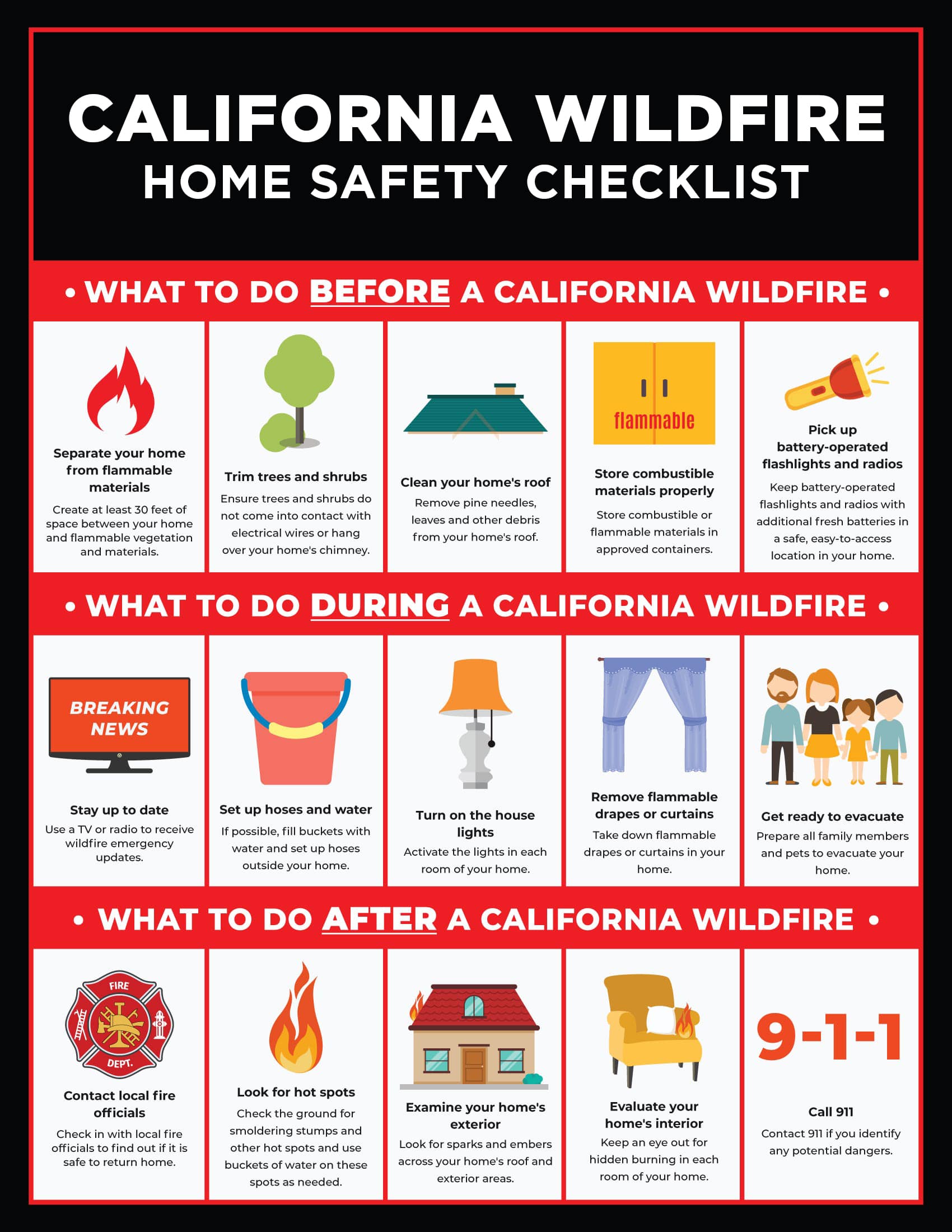
If you live in a fire-prone area, do not wait for enforcement to force your hand. Walk your property with a simple checklist and look for the easiest ignition sources first:
- Anything within the first few feet of the home that can catch embers.
- Dry material under decks or around foundations.
- Overhanging branches touching the structure.
- Debris in gutters and roof edges.
- Decorative items stored against exterior walls.
If the answer to any of those is yes, you are carrying unnecessary risk.
The Real Shift Is Cultural
The deeper story here is not just regulatory. It is psychological. Californians have spent decades treating wildfire as a seasonal emergency. Zone Zero pushes the state toward a harder truth: wildfire is now a permanent design constraint. That means homes, yards, and even neighborhood aesthetics will need to adapt to a fire-first reality.
That may sound grim, but it is also an opening for better planning. Fire-resistant landscaping, smarter materials, and more disciplined maintenance do not have to make communities look sterile. They just have to stop pretending that lush, combustible design is harmless in a landscape built to burn.
The future of wildfire safety is not bigger hoses. It is fewer things to ignite.
What Happens Next
Expect more debate, more local variation, and plenty of resistance from property owners who see this as another burden in an already expensive state. But the direction is clear. California wildfire rules are moving toward a model where fire safety starts at the foundation line and extends outward. The first few feet around a home are becoming a policy frontier.
That matters because it changes the incentives. When rules target the highest-risk zone closest to the house, they can reduce catastrophic losses more efficiently than broad, vague warnings ever could. If California gets this right, Zone Zero may become the blueprint for fire-prone housing across the country. If it gets it wrong, the state will still have done something important: admitted that the old way of living with wildfire was not working.
And that may be the most consequential shift of all.
The information provided in this article is for general informational purposes only. While we strive for accuracy, we make no guarantees about the completeness or reliability of the content. Always verify important information through official or multiple sources before making decisions.