Camp Miasma Pushes Horror Back Into the Conversation
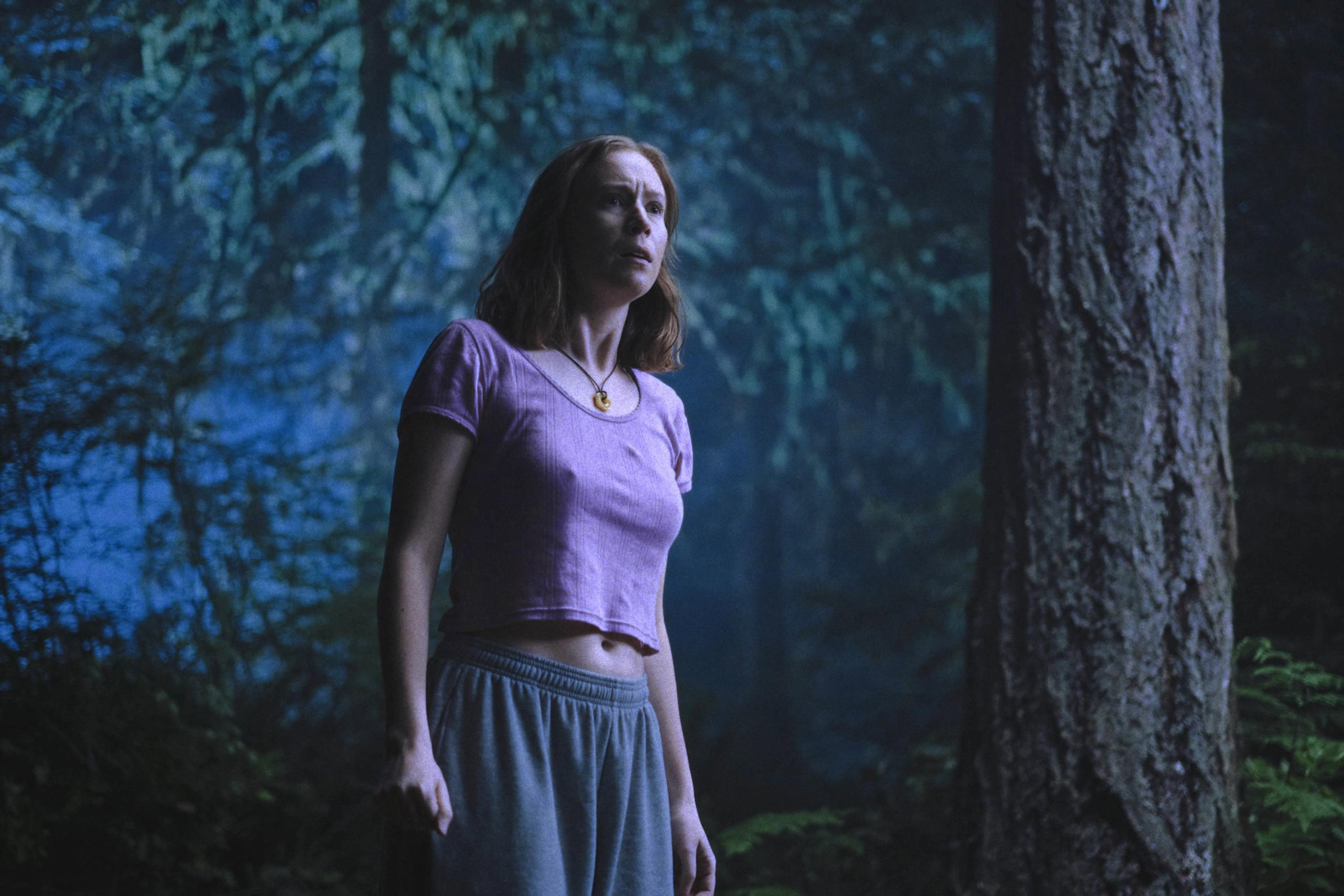
Camp Miasma Pushes Horror Back Into the Conversation
Teen horror is having another reset, and Camp Miasma is arriving like a stress test for everything the genre still gets wrong. If the film lands the way its premise suggests, it could force audiences to confront a familiar problem: studios often market youthful horror as disposable fun, then act surprised when the best entries are the ones that weaponize vulnerability, desire, and dread. That tension matters now because viewers have grown less patient with empty shock and more interested in stories that actually say something about bodies, identity, and the consequences of looking away. Camp Miasma appears poised to lean hard into that discomfort, and that alone makes it worth taking seriously.
- The film taps into a long-running teen horror tradition, but with a darker, more adult edge.
- Its premise suggests a blend of sexuality, mortality, and social unease rather than simple slasher mechanics.
- That mix could help the movie stand out in a crowded horror market that rewards sharp identity.
- The project raises bigger questions about how far genre films can push taboo without becoming self-indulgent.
Why Camp Miasma matters now
Horror always works best when it meets the moment, and the current moment is soaked in anxiety. Audiences are primed for stories about power, exposure, and the body under pressure. That is where Camp Miasma has an opening. A teen-centered horror film built around sex and death is not trying to be subtle, and that is probably the point. The genre has already spent years reinventing itself through elevated psychological dread, social satire, and queer-coded coming-of-age storytelling. The next challenge is harder: making transgression feel earned again.
That is where the movie could either soar or collapse. If it treats taboo as decoration, it will feel like another cynical bid for attention. If it connects its shocks to character, shame, and consequence, it could become the kind of horror title critics circle for months after release. That distinction is everything in 2026, when audiences are quicker than ever to spot a hollow provocation.
The teen horror formula is changing
For years, teen horror followed a stable template: attractive young people, sexual tension, social hierarchy, then punishment. The modern audience knows that formula so well that filmmakers now have to subvert it or explode it. Recent genre hits have moved away from moralistic body counts and toward emotional specificity. They understand that the real terror is not sex itself, but the fear of being seen, used, abandoned, or consumed.
Camp Miasma seems built for that territory. A title like this signals mood first and plot second, which is often a good sign in horror. It suggests atmosphere, rot, and a kind of diseased adolescence where desire and danger are impossible to separate. The smartest horror films do not simply depict teen recklessness. They expose the social machinery behind it: peer pressure, status games, confusion about consent, and the weird performance of maturity.
Great horror does not just scare teenagers. It understands what they are scared of before they have language for it.
Sex and death are not just shock values
The pairing of sex and death is one of the oldest engines in horror because it works on both instinct and symbolism. Sex implies vulnerability, intimacy, and risk. Death is the final, irreversible consequence. Put them together and the result is not merely titillation. It is a warning about how fragile identity becomes when desire collides with fear.
That is why this kind of story can feel so electric when handled well. A film like Camp Miasma has the chance to treat teenage sexuality as messy, contradictory, and emotionally loaded rather than as a blunt trigger for gore. If it does that, the movie could join the small class of horror titles that are remembered not for their kills, but for their honesty.
Camp Miasma and the business of shock
There is also a practical reason this movie is getting attention: shock still sells, but only if it is packaged with enough precision to feel intentional. The horror market is crowded, and streamers have trained viewers to sample first and commit later. That means a film needs a distinct hook before it can earn a full watch. A provocative premise helps, but it also creates a trap. The more the marketing leans on taboo, the more the film must deliver actual substance.
Studios know this game well. They want the conversation energy of controversy without the backlash of seeming exploitative. That balance is delicate, especially with teen stories, where the line between critique and objectification can vanish fast. If Camp Miasma is smart, it will understand that the most memorable horror rarely feels desperate to offend. It feels inevitable.
What audiences expect from genre now
Today’s horror fans are unusually literate. They can spot references to slashers, psychological thrillers, and arthouse dread within minutes. They also expect a point of view. A movie can be brutal, surreal, or sexually charged, but it still needs an argument underneath the carnage. That is a high bar, but it is also an opportunity.
- Character first: audiences forgive excess when the emotional stakes are clear.
- Style with purpose: visual flair matters, but not as a substitute for tension.
- Taboo with context: provocative themes need narrative discipline.
- Consequences: horror works best when actions leave a mark.
If Camp Miasma leans into those expectations, it could outperform more generic genre releases that mistake brutality for depth.
The real test is tone
Tone will decide everything. A movie about teenage sex and death can become either incisive or absurd in a heartbeat. That is why the most successful horror films in this lane are usually those with a firm directorial hand. They understand when to linger, when to cut away, and when to let silence do the work. They also know that the audience is not always asking for comfort. Sometimes it is asking for clarity.
What makes the premise of Camp Miasma compelling is not simply that it is daring. It is that it seems aware of how adolescence already feels like a haunted house. Everyone is improvising identity. Every desire feels risky. Every social interaction can turn predatory or humiliating with almost no warning. Horror that captures that feeling tends to last longer than horror that only wants to stun.
When genre filmmakers trust discomfort instead of decorating it, the result is usually far more frightening.
Why this movie could cut through the noise
Horror remains one of the most reliable genres because it can be made cheaply, marketed aggressively, and discussed endlessly. But reliability can breed sameness. Audiences now need a reason to care beyond the promise of gore. Camp Miasma has the kind of premise that can break through if it treats its own darkness seriously. The title alone suggests something decayed and poisonous, which is a promising start. It implies not just a camp setting, but a contaminated emotional environment where innocence is already gone.
That is a potent setup for a film about teenagers, because adolescence itself is a liminal state. It is where desire, identity, embarrassment, and fear all converge. A horror film that understands that can say more about growing up than most prestige dramas. That may sound exaggerated, but genre is often where the blunt truths land first.
Pro tip for viewers and industry watchers
If you are trying to judge whether a film like this will actually matter, look past the premise and focus on three signals: how the trailer frames character, whether the camera seems exploitative or observant, and whether the film is being sold as a conversation starter rather than just a gore package. Those clues usually tell you whether a movie is aiming for longevity or just weekend noise.
What comes next for provocative horror
If Camp Miasma succeeds, it could reinforce a bigger industry trend: the return of horror that is unapologetically adolescent, emotionally risky, and weirdly literary. That kind of movie does not have to be mainstream to matter. It only has to open a door for other filmmakers who are tired of sanding down difficult ideas. The best-case scenario is not that every horror title copies its approach. It is that studios remember there is an audience for films that are brave enough to be unsettling on purpose.
The worst-case scenario is equally predictable. The film becomes a talking point because of its title and premise, then fades because it cannot justify its own audacity. That would be a shame, but it would also be a familiar outcome in a market that often rewards packaging over execution.
Either way, Camp Miasma is already doing something useful: reminding the industry that horror still has teeth when it is willing to bite into the uncomfortable parts of growing up. And right now, that may be the most valuable thing a teen horror film can do.
The information provided in this article is for general informational purposes only. While we strive for accuracy, we make no guarantees about the completeness or reliability of the content. Always verify important information through official or multiple sources before making decisions.


