Chula Vista Sports District Could Rewrite South Bay
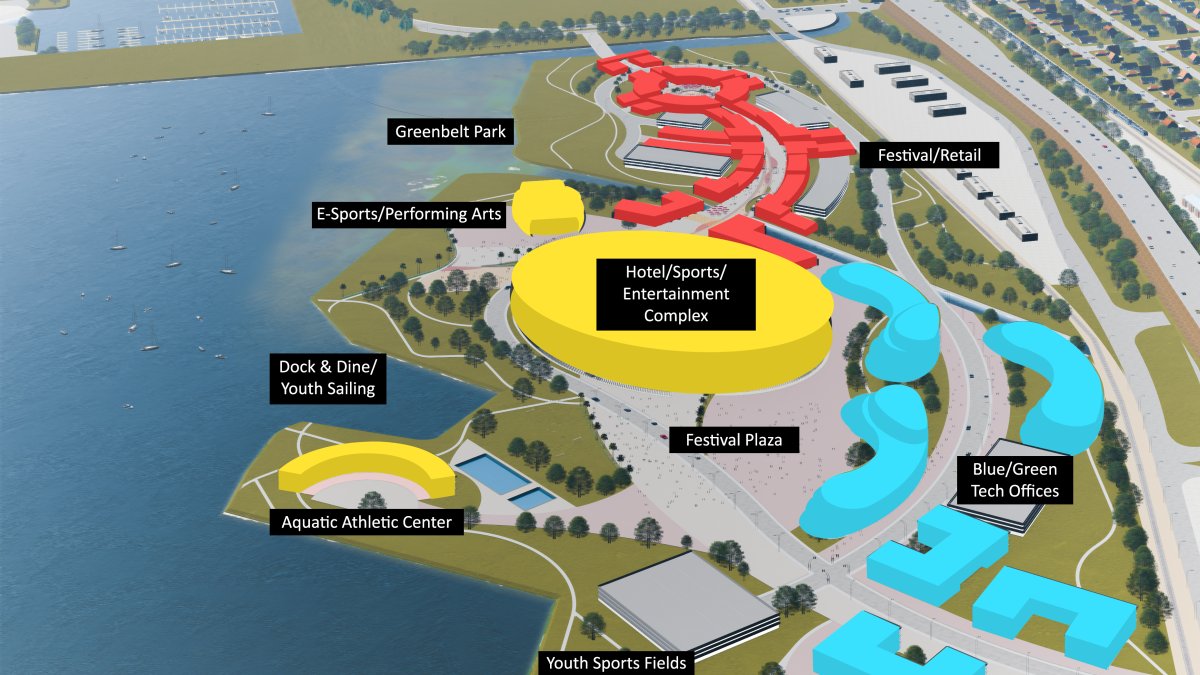
Chula Vista sports entertainment development is more than a stadium story
Chula Vista is staring at a familiar California wager with unusually high stakes: build something big enough to change the map, or watch the market move on without you. The proposed Chula Vista sports entertainment development is not just about games, concerts, or another glossy render. It is about whether a fast-growing South Bay city can turn land, branding, and public ambition into a durable economic engine. For residents, the immediate question is simple: will this project create real access, jobs, and momentum, or will it mostly deliver traffic, higher rents, and another flashy promise? For developers and city leaders, the answer could define the region’s next decade.
- Chula Vista is considering a development that blends sports, entertainment, and mixed-use growth.
- The project could boost tourism, jobs, and long-term tax revenue if executed well.
- Infrastructure, housing pressure, and community trust will determine whether it succeeds.
- The biggest test is not building the venue – it is making the surrounding district actually work.
Why the Chula Vista sports entertainment development matters now
Southern California cities are competing for the same scarce advantages: land, talent, events, and attention. A sports-entertainment district promises all four, at least on paper. That is why the Chula Vista sports entertainment development has drawn interest well beyond the South Bay. These projects are no longer judged only by attendance numbers. They are judged by whether they can anchor a broader ecosystem of restaurants, housing, retail, hospitality, and public space.
Chula Vista has a geographic advantage that many coastal cities would envy. It sits close enough to San Diego to benefit from regional traffic, but it still has room to grow in ways denser cities simply cannot. That matters because major sports and entertainment districts need more than a venue footprint. They need parking, transit access, pedestrian circulation, and enough surrounding land to absorb the ripple effects. If the city gets that mix right, it could unlock a new identity as a destination rather than a pass-through.
Projects like this succeed when they behave less like a single building and more like a neighborhood that can keep generating energy after the final whistle.
The business case behind the stadium-style gamble
Big mixed-use developments usually sell the same promise: private investment, construction jobs, ongoing employment, and a long tail of local spending. That logic is real, but it is also fragile. A venue can attract visitors, yet still fail to create meaningful neighborhood value if the surrounding uses are weak or disconnected.
What makes the Chula Vista pitch compelling is the possibility of layering revenue streams. A modern sports-entertainment district can capture spending from ticketed events, dining, branded experiences, parking, sponsorships, and adjacent commercial leasing. In other words, the venue is the hook, but the district is the business model.
That model only works if the development avoids a common trap: building a destination that is busy on event nights and dead the rest of the week. Cities across the country have learned that a single arena or field is not enough. The winning formula is a calendar and a street grid, not just a scoreboard.
Jobs are the easy headline, not the hard part
Developers love to lead with jobs, and understandably so. Construction employment is immediate and politically useful. Operational jobs are more durable, especially when tied to hospitality, maintenance, programming, and retail. But the real test is whether those jobs are accessible to local residents and resilient enough to survive seasonal swings.
For Chula Vista, the most important economic question is whether the project will generate upward mobility or just temporary labor. A project this visible should also push for workforce pipelines, local vendor participation, and training partnerships. Otherwise, the benefits can leak away quickly.
What the development must get right
Every flashy district proposal eventually collides with the same practical issues: transportation, public financing, zoning, and community impact. If the Chula Vista sports entertainment development is going to move from concept to civic asset, these are the pressure points that matter most.
- Traffic management: Event traffic can overwhelm local roads if ingress and egress are not designed early.
- Transit access: A venue should not depend entirely on cars if it wants to scale responsibly.
- Mixed-use balance: Offices, housing, and retail help smooth out the peaks and valleys of event-driven demand.
- Public space: Plazas, promenades, and community-accessible areas can make the district useful on non-event days.
- Affordability protections: Growth without housing strategy can accelerate displacement and undercut support.
The strongest developments are not the ones with the biggest renderings. They are the ones that can survive weekday mornings, summer heat, and the messy reality of daily use. That means shading, sidewalks, services, and flexible programming matter as much as the headline venue itself.
The infrastructure bill comes due fast
One reason these projects become controversial is that the public often ends up paying for the invisible layers. Roads need widening. Signals need retiming. Utilities may need upgrades. Emergency access has to be planned. These are not sexy line items, but they determine whether the project becomes a civic win or a logistical headache.
Here is the blunt version: if the surrounding infrastructure is treated as an afterthought, the district will feel congested before it feels successful. That is where public skepticism hardens. Communities are usually willing to tolerate ambition, but not if the costs are socialized while the upside is privatized.
Why this matters for South Bay development
The South Bay has long lived in the shadow of bigger regional narratives. A major sports and entertainment project could change that by giving Chula Vista a signature destination with broader appeal. That would matter not only for tourism but for civic confidence. Cities build momentum when people start imagining a future that looks larger than the present.
Still, the regional implications go deeper than branding. If successful, the project could influence how nearby municipalities think about land use, transit-oriented growth, and destination-based development. It could also raise the bar for what residents expect from public-private partnerships. Once a city proves it can deliver a complex mixed-use district, every future proposal gets measured against that standard.
That is the opportunity and the risk. A win could catalyze more investment across the corridor. A misstep could reinforce the idea that big development is just another way to shuffle wealth upward while asking the public to absorb the friction.
The future of these projects depends on whether cities design for everyday use, not just opening weekend spectacle.
Pro tips for reading any sports-entertainment proposal
If you are trying to judge whether a project like this is truly good for a city, do not stop at the glossy proposal. Ask better questions.
- Follow the land: Who owns it, who benefits from it, and what happens if the timeline slips?
- Check the phasing: A phased project can reduce risk, but it can also become a permanent placeholder.
- Look for year-round activation: Event venues should be surrounded by programming that works on ordinary days.
- Ask about community access: Can residents use the space without paying for a ticket every time?
- Study the housing plan: If new demand is created, where will people live?
Those questions sound basic, but they separate durable development from speculative theater. And in a market as competitive as Southern California, theater alone is cheap.
The bigger strategic bet
At its best, the Chula Vista sports entertainment development represents a shift in how cities think about growth. It is no longer enough to say a venue will bring people in. The better question is whether the district can keep people there, spend time wisely, and create enough everyday utility to justify its footprint.
If the project is disciplined, transparent, and integrated with the city around it, it could become a landmark for South Bay development. If it is rushed or overly dependent on hype, it could become just another cautionary tale about scale outrunning strategy. That is why the next stages matter so much. Chula Vista is not simply deciding whether to host entertainment. It is deciding what kind of city it wants to become.
And that choice, more than any ribbon-cutting, will determine whether this development becomes a catalyst or a caution sign.
The information provided in this article is for general informational purposes only. While we strive for accuracy, we make no guarantees about the completeness or reliability of the content. Always verify important information through official or multiple sources before making decisions.