Climate Change Is Reshaping Rare Disease Risk
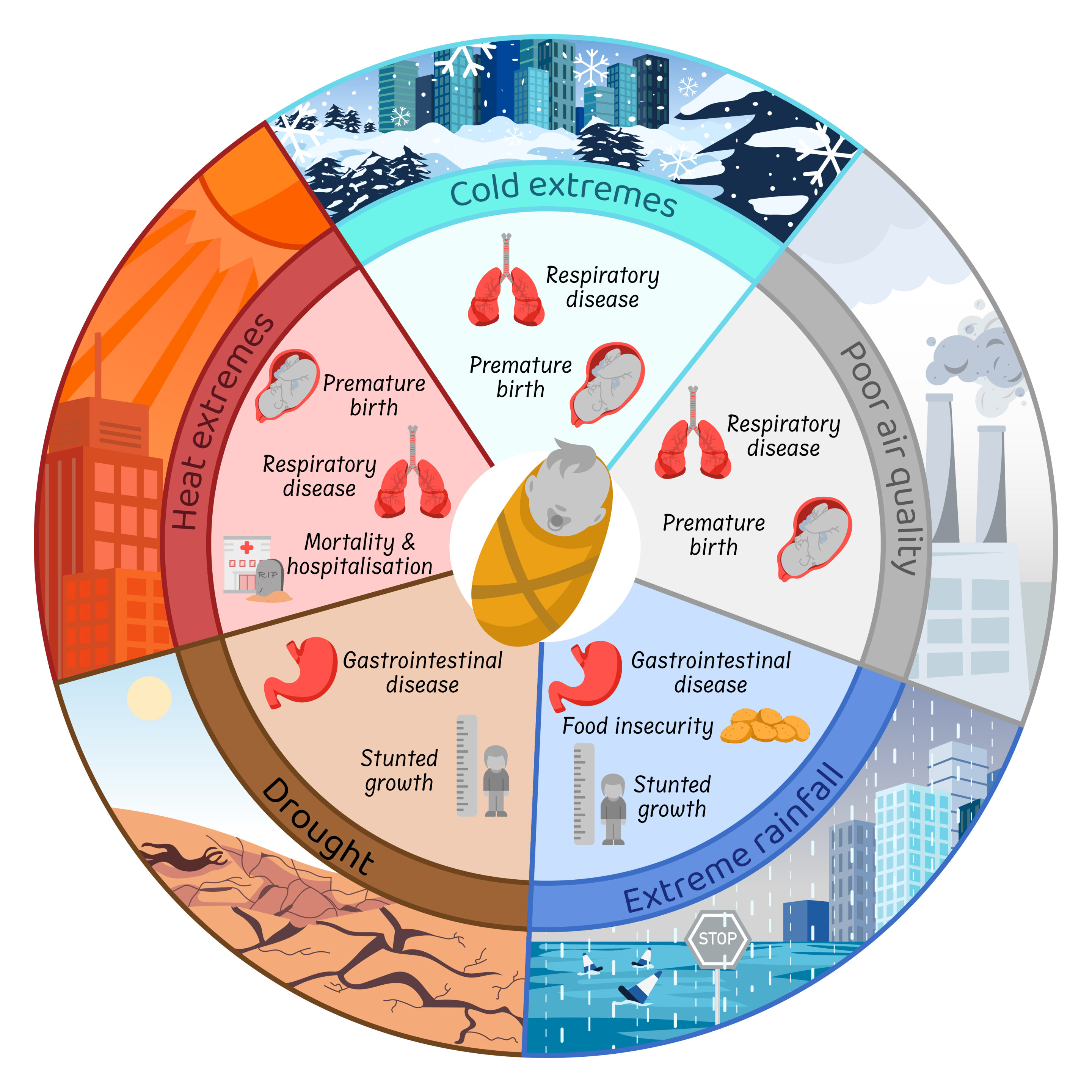
Climate Change Is Reshaping Rare Disease Risk
Heat is not just melting ice and stressing grids. It is redrawing the map of infectious disease risk, and that should worry anyone who still thinks pandemics begin and end with the usual suspects. As climates shift, insects move, ecosystems fracture, and pathogens gain new routes into human populations. Rare South American diseases, once limited by geography and seasonality, are now getting a larger window to spread. That changes everything: how doctors diagnose illness, how governments prepare, and how quickly a local outbreak can become an international problem. The hard truth is that climate change is not only an environmental crisis. It is a public health accelerator, and the medical system is still playing catch-up.
- Climate change is expanding the range and season of disease-carrying vectors.
- Rare infections can move from isolated outbreaks to broader regional threats faster than health systems expect.
- Early detection, surveillance, and clinician awareness are becoming critical defenses.
- Pandemic preparedness now has to include ecology, weather, and mobility patterns.
Why climate change is a disease multiplier
The biggest mistake in talking about climate-linked illness is treating it as a future risk. It is already happening. Rising temperatures, heavier rains, droughts, and changing land use all alter where insects, rodents, and other carriers can survive. A mosquito that once thrived in one narrow band of latitude can now find comfortable conditions somewhere new. That means diseases previously associated with specific regions can appear in places with no built-in clinical suspicion.
This matters because infectious disease control depends on timing. If doctors do not think to test for a rare illness, patients get treated for the wrong condition. If public health teams do not see the pattern early, containment gets harder and more expensive. Climate change turns what used to be a geographic edge into a moving target.
Rare diseases do not stay rare forever when the environment that contained them starts to change.
The climate change and rare disease connection
When people hear climate change, they often think of hurricanes, droughts, and wildfire smoke. But the public health implications are just as severe. Warmer temperatures speed up vector lifecycles, meaning mosquitoes can reproduce more quickly and potentially transmit pathogens more efficiently. Rainfall patterns can create standing water, while flooding can contaminate water systems and push animals into closer contact with people.
In South America, that combination is especially dangerous because biodiversity, dense urbanization, and uneven healthcare access collide. Some diseases remain geographically concentrated because the ecological conditions that support them are tightly bounded. Once those conditions widen, so does the exposure map. That is why rare diseases are no longer just a local medical issue. They are a climate signal.
Vectors are moving, and health systems are behind
Vector-borne illness is one of the clearest examples of how climate change and rare disease risk intersect. Insects are sensitive to temperature, humidity, and seasonal cycles. When those shifts become less predictable, so does disease transmission. Health systems built around historical patterns can miss the new reality.
That lag is costly. Surveillance networks may not monitor the right locations. Lab capacity may be limited. Clinicians may not recognize symptoms because they have never seen a case. By the time the diagnosis is clear, there may already be multiple chains of transmission.
What makes these outbreaks so hard to contain
Rare pathogens are difficult because they exploit low expectation. Most outbreaks are stopped by recognition as much as by medicine. If a fever, rash, respiratory symptom, or neurological sign is misread as something common, the window for intervention narrows. That is especially true in regions where health infrastructure is already stretched by routine demand.
Another problem is mobility. People travel, trade, and migrate. A disease that begins in one district can move through informal transport corridors, dense cities, and cross-border routes before anyone connects the dots. This is why rare South American diseases are not only a regional concern. They are a test of global early-warning systems.
- Diagnostic delay lets infections spread before they are identified.
- Fragmented surveillance makes it hard to connect small clusters into one pattern.
- Uneven healthcare access means early symptoms are often treated too late.
- Cross-border movement turns local outbreaks into regional risks.
The hidden cost of not testing for the unusual
Modern medicine is fast, but it is also pattern-driven. Emergency departments and clinics often rely on the most common explanation first. That is efficient until the environment changes faster than the diagnostic playbook. Once rare diseases begin surfacing outside their historical zones, the biggest failure is not lack of treatment. It is lack of suspicion.
That is why training matters. If frontline clinicians are not updated on emerging ecological risks, they may miss diseases that are no longer rare in practical terms. Public health agencies need to push guidance faster, and hospitals need protocols that evolve with climate conditions, not just with annual disease reports.
Why this matters for pandemic preparedness
There is a tendency to reserve the word pandemic for viruses that make global headlines. But pandemic preparedness is really about systems: surveillance, diagnostics, communication, supply chains, and trust. Climate change is stressing all of them at once. It is widening habitats, intensifying extreme weather, and complicating the basic assumptions that public health planning has relied on for decades.
That means the next serious threat may not come from a pathogen that is entirely new. It may come from one that has been around for years but is now reaching more people, more often, in more places. The lesson is uncomfortable: pandemic risk is not just about mutation. It is about exposure.
Preparedness used to mean stockpiles and hospital surge plans. Now it also means understanding ecosystems.
Surveillance has to become climate-aware
Traditional disease monitoring often follows administrative borders. Climate-sensitive surveillance needs to follow conditions instead: temperature shifts, rainfall anomalies, vector density, land-use change, and migration patterns. That requires better data sharing between meteorologists, ecologists, public health agencies, and clinicians.
It also requires faster reporting. If an unusual cluster appears, waiting for complete certainty can be disastrous. Public health systems should be optimized for pattern recognition, not just final confirmation. The goal is not to create panic. The goal is to shrink the delay between first case and first response.
What governments and health systems should do now
The good news is that this problem is actionable. It does not require inventing a new global health architecture from scratch. It requires aligning known tools around a new threat model.
- Expand surveillance into climate-vulnerable zones and cross-border corridors.
- Train clinicians to recognize diseases outside their historical footprints.
- Strengthen diagnostics so rare infections are confirmed faster.
- Improve data sharing across environment, agriculture, and health agencies.
- Invest in community outreach so residents know when to seek care early.
There is also a communications problem. People cannot protect themselves from what they do not understand. If public health warnings are vague or delayed, communities lose trust. Clear messaging about symptoms, risk factors, and where to get tested can make the difference between containment and spread.
Pro tip for public health leaders
Do not wait for a disease to become locally common before updating training materials. Build climate-triggered alerts into clinician education so that unusual weather patterns automatically trigger disease awareness campaigns.
The business and political stakes are rising
Climate-linked disease risk is not only a medical issue. It is a budget issue, a labor issue, and a governance issue. Outbreaks disrupt tourism, trade, school attendance, and workforce stability. They strain emergency departments and can trigger costly public responses after the fact. Preventive systems are almost always cheaper than crisis management, but they are harder to sell politically because success is invisible.
That is where leadership matters. Governments need to treat climate-sensitive disease surveillance as core infrastructure, not as an optional health project. The same way power systems are hardened against storms, health systems need to be hardened against ecological shifts. The cost of delay is not abstract. It is measured in missed diagnoses, overwhelmed clinics, and avoidable deaths.
What happens next
If current trends continue, rare diseases will not stay neatly contained by maps drawn in a warmer, more stable era. Expect more pressure on border health systems, more demand for rapid diagnostics, and more public debate over how much climate policy should be treated as health policy. The line between those two is already fading.
The bigger warning is this: pandemics are increasingly shaped by environmental change long before they become visible in hospitals. That means the earliest warning signs may come from weather stations, land-use maps, and insect counts, not just emergency rooms. The countries and institutions that understand that shift will be better positioned to protect their populations. The ones that do not will keep treating the symptom while ignoring the system.
Climate change is not introducing a brand-new category of threat. It is amplifying the old ones, accelerating the hidden ones, and giving rare diseases new room to breathe. That should force a rethink of how we define public health readiness. The next outbreak might not look like the last one. It may arrive through a warmer season, a wider vector range, and a clinician who was never told to look twice.
The information provided in this article is for general informational purposes only. While we strive for accuracy, we make no guarantees about the completeness or reliability of the content. Always verify important information through official or multiple sources before making decisions.