CM Punk Shakes Up Raw
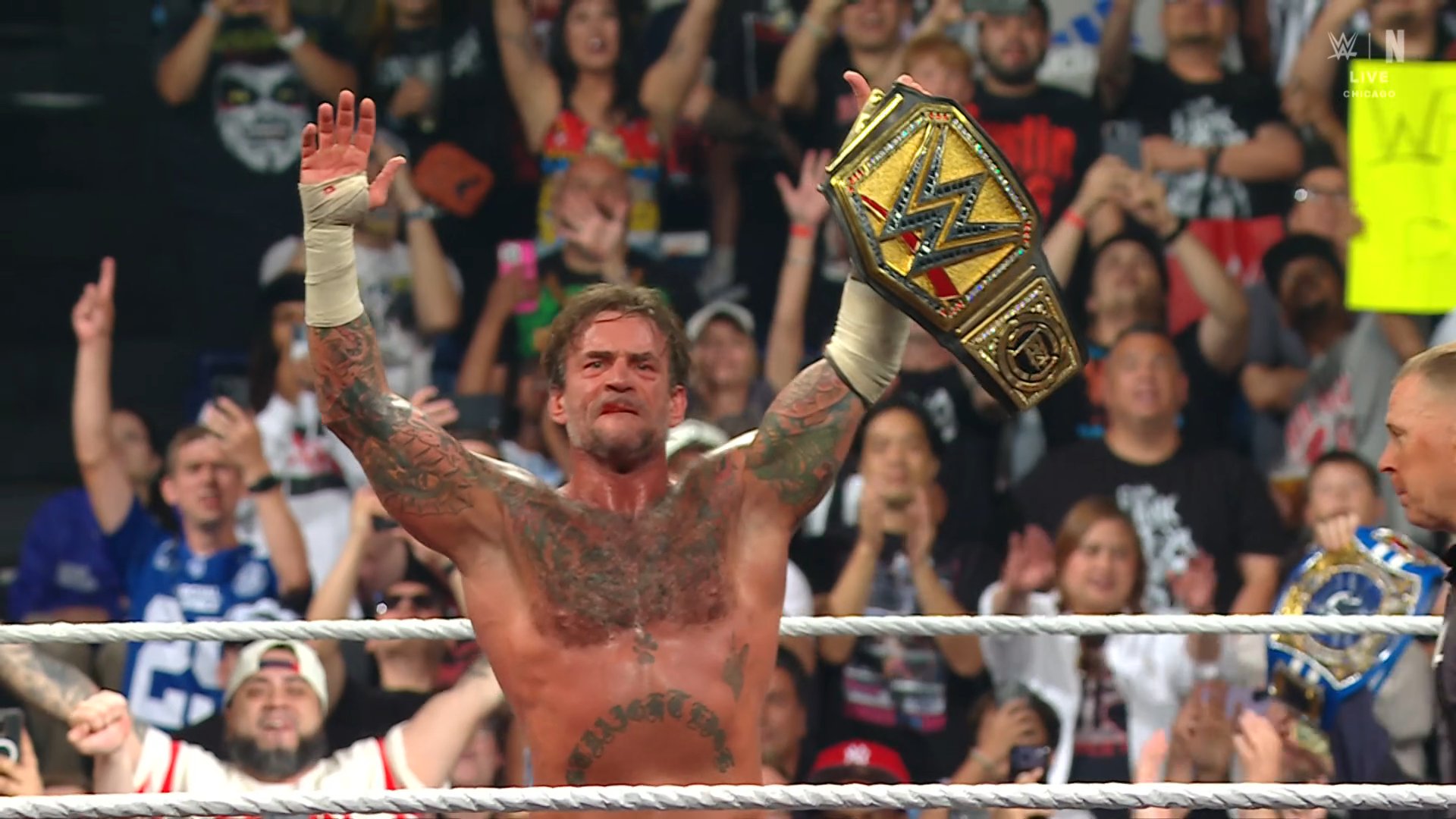
CM Punk Shakes Up Raw
CM Punk replacing Cody Rhodes in a WWE title match against Sami Zayn is the kind of booking twist that instantly changes the temperature of WWE Raw. It is not just a switch on a card. It is a signal that the company is willing to rewire its title picture in real time, and that the consequences could ripple far beyond one Monday night main event. For fans, this is the payoff of a roster built on star power and unpredictability. For WWE, it is a pressure test: can it turn a headline move into a sustained story without blowing up the lane markers that keep the championship scene coherent?
- CM Punk stepping into the match changes the stakes immediately.
- The move raises questions about Cody Rhodes, Sami Zayn, and the title hierarchy.
- WWE is leaning hard into unpredictability to drive attention on
Raw. - This kind of switch can boost ratings, but only if the follow-through lands.
- The bigger story is how WWE balances shock value with long-term storytelling.
Why this CM Punk title match matters
On the surface, this is a replacement announcement. In practice, it is a creative reset. When a name like CM Punk enters a title match originally tied to Cody Rhodes, the match stops being a placeholder and starts feeling like a pivot point. Punk brings instant gravity, a built-in audience, and enough history to make every segment feel loaded. Sami Zayn, meanwhile, becomes the hinge in a storyline that is suddenly less about routine championship defense and more about legitimacy, momentum, and whether WWE can keep multiple top-tier narratives alive at once.
This is where the company’s current strategy becomes clear. WWE has spent the last several years proving it can stretch a weekly television product into must-see event programming. But the challenge is never the surprise itself. It is the aftermath. If CM Punk replaces Cody Rhodes in a WWE title match against Sami Zayn, then the booking is asking viewers to care about the match outcome and the reason the change happened. That is a much harder job, and it is exactly why the decision matters.
The CM Punk factor is bigger than one match
CM Punk is not just another swap-in. He is a narrative accelerant. Whenever Punk is positioned near a title picture, the tone of the entire show shifts from standard promotion to event television. That is valuable, but it also comes with baggage. Punk’s presence can boost curiosity while also creating expectations that are difficult to satisfy. Fans do not just want a match. They want meaning. They want a reason for the move that feels earned, not merely convenient.
CM Punk’s value is not just that he gets attention. It is that he changes how every other character in the segment is read.
For WWE, that means the company must use Punk carefully. If he is inserted into the Cody Rhodes versus Sami Zayn lane, the story has to answer a few core questions fast: Why now? What does this mean for Cody? What does Sami gain or lose? And does Punk’s presence elevate the championship picture or simply crowd it with another major name?
What the booking says about WWE’s priorities
The decision suggests WWE is prioritizing immediacy and flexibility over rigid long-term structure. That is not automatically a flaw. In fact, modern wrestling television often thrives when it can respond to audience reactions, availability, and momentum shifts. But there is a fine line between adaptive storytelling and improvisation that weakens the title scene. When a top-tier challenger changes at the last minute, fans expect the replacement to feel like a promotion, not a patch.
That is why this move works best if WWE treats it as a statement. Punk replacing Rhodes should not read like a substitute teacher stepping into class. It should feel like the kind of disruption that only a company with multiple main-event-caliber stars can pull off.
CM Punk replacing Cody Rhodes in WWE title match against Sami Zayn
There is no way around it: CM Punk replacing Cody Rhodes in WWE title match against Sami Zayn is the headline. And it is a headline because it carries layered meaning. Cody Rhodes represents one axis of WWE’s current identity: the polished, heroic centerpiece with unfinished business and company-franchise weight. Sami Zayn represents another: the fan-trust workhorse who can make almost any match feel emotionally grounded. Punk adds the volatile third piece: prestige with edge, unpredictability with brand power.
That trio creates a fascinating tension. Cody’s absence from the match immediately invites speculation about whether WWE is protecting him for something larger. Sami’s opponent shift forces the company to reframe the competitive stakes. Punk’s insertion suggests either a major storyline advancement or a strategic ratings play. The key is that all three interpretations can be true at once.
How this changes the title picture
The title picture becomes less linear and more crowded. That can be a good thing if WWE is trying to keep viewers guessing, but it also creates a burden: the company must now ensure that the championship does not feel like a prop passed around to service star appearances. A title belt gains value when it anchors story, not when it simply decorates it.
For Sami Zayn, the match becomes a credibility test. A win over Punk would be huge. A competitive loss would still help, if it reinforces his toughness and place in the hierarchy. For Punk, the match must establish either dominance, vulnerability, or unfinished business. Anything in between risks leaving the audience with a technically strong segment and a narratively thin one.
Why this matters for Raw and the broader WWE strategy
Raw lives and dies on the feeling that anything can happen. That is the brand promise. But viewers are sharper now than they were in the peak chaos era of wrestling television. They can spot filler, false urgency, and lazy surprise booking. So if WWE is going to deploy a change like this, it has to offer more than buzz. It needs payoff architecture.
That is why the CM Punk move matters beyond the match itself. It is a test of whether WWE can still weaponize surprise without exhausting its audience. The best wrestling television creates anticipation before the bell and discussion after the final pin. The worst creates a momentary spike and then vanishes. Punk replacing Rhodes has the potential to do the former, but only if the aftermath feeds into a larger story that feels deliberate.
Shock value gets people to click. Story value keeps them watching.
The business case behind the decision
From a business perspective, this is classic WWE logic. Put a magnet on the card, increase must-see pressure, and turn a weekly show into a destination. That can help with ratings, social conversation, and live tune-in. It can also reinforce the idea that Raw is where major developments happen, not just filler between premium live events.
But there is a warning label attached. Overusing this play can dilute trust. If every major match is subject to abrupt reshuffling, fans stop assuming the advertised card matters. That is dangerous because trust is the most valuable currency in episodic wrestling. The audience will tolerate chaos if it feels purposeful. It will not tolerate chaos if it feels random.
What fans should watch for next
The immediate question is not just who wins. It is how the story is framed around the match. Watch for whether WWE uses backstage segments, promo interruptions, or authority figure involvement to explain the switch. Watch for whether Cody Rhodes is positioned as injured, unavailable, or strategically removed. Watch for whether Sami Zayn reacts as a competitor who sees opportunity or as a survivor forced into a tougher lane.
- Watch the language around Cody Rhodes. If WWE makes the replacement feel strategic, it may be protecting a larger payoff.
- Watch Sami Zayn’s presentation. His response will tell you whether the match is being framed as a gift or a punishment.
- Watch CM Punk’s tone. A serious Punk signals title importance. A combative Punk signals a wider feud.
- Watch the finish carefully. The ending will reveal whether this is a one-night detour or a major storyline launch.
Pro tips for reading wrestling moves like this
If you follow WWE closely, the smartest approach is to read changes like this in layers. Do not stop at the headline. Ask what the company is protecting, what it is testing, and what it wants the audience to argue about tomorrow morning.
- Separate the surprise from the strategy. A last-minute change is only meaningful if it fits a larger plan.
- Look for who benefits most. The inserted star, the original challenger, or the champion usually reveals the real priority.
- Track follow-up over reaction. The next segment matters more than the initial announcement.
- Evaluate the match as a story device. In wrestling, a title bout is never just a contest. It is a message.
The bigger future implication
If this CM Punk move lands, it strengthens WWE’s case that its weekly shows can still produce genuine headline-level volatility. That is important in a media environment where attention is fragmented and fans are constantly deciding what is worth watching live. If it falls flat, it becomes another reminder that surprise booking without narrative weight is just noise.
Either way, the move reveals something essential about the current era of wrestling television: the biggest stars are not just performers. They are structural tools. They are used to stabilize, elevate, redirect, and sometimes save a story in progress. CM Punk replacing Cody Rhodes in a WWE title match against Sami Zayn is not merely a substitution. It is WWE showing its hand about how it plans to compete for attention in 2025: with recognizable names, quick pivots, and the promise that every episode could reshape the board.
If the company delivers the emotional payoff to match the headline, this will look like savvy live-TV wrestling. If it does not, it will look like another example of WWE borrowing future heat from present momentum. The difference, as always, will be in the execution.
The information provided in this article is for general informational purposes only. While we strive for accuracy, we make no guarantees about the completeness or reliability of the content. Always verify important information through official or multiple sources before making decisions.


