Colombia Earthquake Exposes a Brutal Test for Urban Resilience
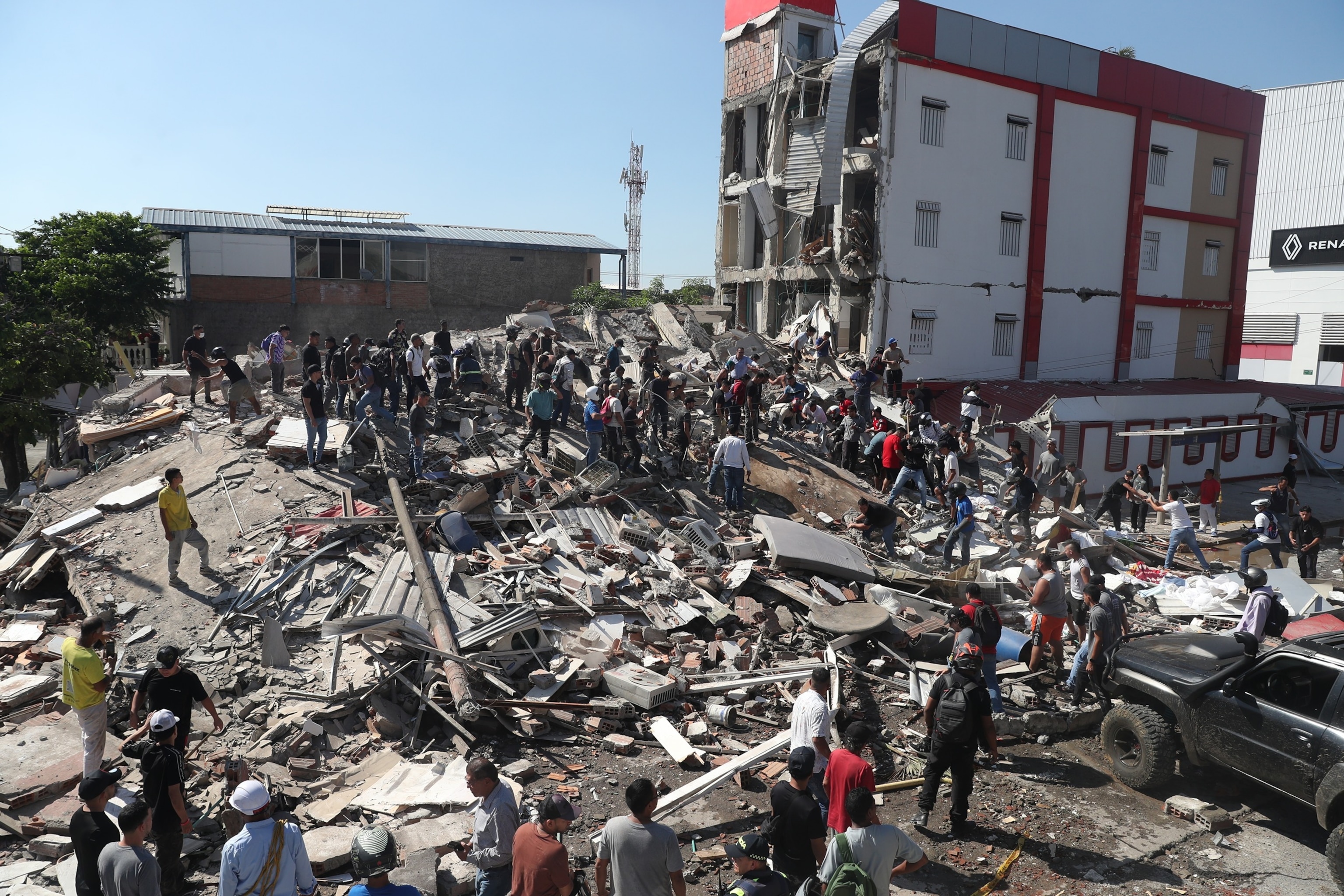
Colombia Earthquake Exposes a Brutal Test for Urban Resilience
A major Colombia earthquake has done more than shake buildings and rattle nerves. It has put two of the country”s most important urban corridors under a harsh spotlight: how prepared are fast-growing cities when the ground moves, infrastructure buckles, and minutes decide whether lives are lost or saved? For residents near Cali and Medellin, that question is no longer theoretical. It is immediate, personal, and expensive. Earthquakes do not just test concrete and steel. They expose the quality of planning, the speed of emergency response, the condition of hospitals, and the political will behind resilience spending. And when fatalities are reported, the conversation shifts fast from geology to accountability.
- The Colombia earthquake is a stress test for urban planning, not just a natural disaster.
- Cities like Cali and Medellin face a collision of dense housing, aging infrastructure, and seismic risk.
- Emergency response speed, communications, and hospital readiness can matter as much as magnitude.
- The long-term lesson is clear: quake resilience is a public policy issue, not a niche engineering problem.
- Future rebuilding decisions will shape whether this becomes a warning or a recurring pattern.
Why the Colombia earthquake matters now
When a strong quake hits a heavily populated region, the damage is rarely distributed evenly. Some neighborhoods absorb the shock. Others collapse into chaos. That is why the Colombia earthquake matters beyond the immediate casualty count: it reveals how inequality, geography, and construction standards intersect in a crisis. In cities built for growth, not always for seismic extremes, even a single event can expose years of deferred maintenance and uneven enforcement. Schools, apartment towers, roads, bridges, power lines, and water systems all become part of the same failure chain. If one link breaks, the rest of the city feels it.
Colombia sits in a region where tectonic movement is not a surprise. That makes preparedness less of an optional upgrade and more of a baseline requirement. Yet many urban areas still carry the legacy of rapid expansion: newer high-rises stand near older structures, informal housing sits on unstable ground, and emergency services must cover dense populations with limited time and budget. This is where a quake becomes a policy audit.
Seismic disasters do not only measure the strength of the earth. They measure whether a city took resilience seriously before the first tremor.
What failed first in the Colombia earthquake
In major earthquakes, the first visible failures are often structural. Cracked walls, collapsed facades, broken windows, blocked streets. But the deeper failures usually arrive in sequence. Power can drop. Cellular networks can get congested. Roads may become impassable just as ambulances need them most. Hospitals can face surges while dealing with damaged access points or utility interruptions. The public sees the visible destruction first, but the true crisis often unfolds in the systems that are supposed to hold the city together.
Buildings are only the starting point
Modern urban resilience depends on more than code-compliant construction. It depends on inspections, retrofits, enforcement, and the ability to identify weak structures before disaster does it for you. If older buildings were never reinforced, or if newer ones were built without strict oversight, the result is predictable: higher casualties, longer evacuations, and a longer recovery tail. The Colombia earthquake reinforces a basic truth that every city planner knows but too many politicians ignore: prevention costs less than rebuilding, and far less than mourning.
Communications decide the pace of rescue
After the first shock, information becomes its own emergency. People need to know whether aftershocks are expected, which roads are open, where shelters are located, and how to reach family members. During large-scale disasters, overloaded networks can slow rescue coordination and increase panic. A resilient city needs redundant channels, clear public messaging, and local response systems that work even when national infrastructure is strained. That is especially critical in a country where terrain and distance can complicate access to outlying areas.
How cities like Cali and Medellin can adapt
The hard lesson from the Colombia earthquake is that urban resilience is not a branding exercise. It is a checklist. And for cities exposed to seismic risk, the checklist has to include building safety, emergency logistics, and public education. The goal is not to eliminate all damage. That is impossible. The goal is to prevent a disaster from becoming a catastrophe.
- Retrofit older buildings to meet modern seismic standards.
- Audit hospitals and schools first, since they are both critical and vulnerable.
- Map evacuation routes and test them under realistic traffic conditions.
- Build backup communications for emergency responders and residents.
- Train communities to respond quickly without waiting for outside help.
That last point matters more than many officials admit. In the first hour after a quake, neighbors are often the first responders. They pull people from debris, share water, check gas leaks, and guide others to safety. Public drills are not theater. They are the difference between confusion and action. A well-prepared population can reduce strain on emergency crews and save lives before heavy machinery arrives.
Use technology as a force multiplier
Technology can sharpen response times if governments actually integrate it. GIS mapping can identify the hardest-hit blocks. sensor networks can flag infrastructure damage. Emergency apps can deliver shelter information and warnings. But technology cannot compensate for poor planning. A dashboard is not resilience. Data is not a substitute for retrofitted bridges or inspected apartment blocks. The smartest cities use tools to support disciplined systems, not to decorate them.
Pro tip: if a city only invests in emergency branding after a quake, it is already behind. Preparedness has to exist before the headlines.
The economic shock will linger long after the shaking stops
Natural disasters are often described in terms of casualties and structural damage, but the economic aftermath can be just as punishing. Business interruption, transport delays, utility repairs, lost wages, and rebuilding costs can stretch far beyond the initial event. For a city, every closed road or damaged facility is a tax on recovery. For small businesses, one cracked storefront can mean weeks without revenue. For workers paid by the day, the financial blow is immediate.
The Colombia earthquake will likely reverberate through insurance claims, municipal budgets, and private-sector decisions about whether to rebuild in place or relocate operations. That matters because recovery choices shape future vulnerability. If reconstruction simply restores the same weak points, the city is not recovering. It is resetting the clock for the next disaster.
Rebuilding should mean redesigning
Post-quake reconstruction should not be a return to the status quo. It should be a chance to upgrade transit corridors, reinforce utility lines, and rework building permissions in the most exposed districts. Cities that treat rebuilding as an investment opportunity, not just a cleanup job, tend to come out stronger. Cities that rush to replace what was there before often end up paying twice.
What this says about the future of seismic urban planning
The Colombia earthquake is part of a broader global story. Across the Americas and beyond, cities are growing upward and outward faster than infrastructure can always keep up. Dense housing, climate stress, uneven enforcement, and aging public systems create a dangerous combination. Earthquakes, floods, and other shocks increasingly collide with urban fragility. The result is a new definition of public safety: not just crime prevention or traffic control, but the capacity to absorb a sudden hit and keep functioning.
That means the next generation of city leaders will be judged less by ribbon cuttings and more by resilience metrics. How many schools have been retrofitted? Which bridges were prioritized? How quickly can emergency teams reach the tallest neighborhoods? Do residents know what to do when the shaking starts? These are not abstract questions. They are the metrics that determine whether a city can absorb a shock and recover without spiraling.
There is a growing divide between cities that are built for convenience and cities that are built for survival. Earthquakes make that divide impossible to ignore.
The bottom line
The tragedy in Colombia is a reminder that disaster response is only half the job. The other half is everything that comes before the quake: code enforcement, infrastructure maintenance, public drills, medical readiness, and investment in the neighborhoods most likely to bear the brunt. A deadly Colombia earthquake is not just a local tragedy. It is a warning shot for every fast-growing city that assumes tomorrow will resemble today. It rarely does. The cities that will fare best are the ones that prepare as if the ground can change at any moment, because it can.
If there is a silver lining, it is this: earthquakes expose problems with brutal clarity. That makes them painful, but also useful. They reveal what governments ignored, what builders cut corners on, and what communities still need. The only question now is whether Colombia and other seismic cities treat this moment as a wake-up call or another report to shelve until the next tremor arrives.
The information provided in this article is for general informational purposes only. While we strive for accuracy, we make no guarantees about the completeness or reliability of the content. Always verify important information through official or multiple sources before making decisions.