Colombia’s DC-3 Revival Tests Legacy Aviation
Colombia’s DC-3 Revival Tests Legacy Aviation
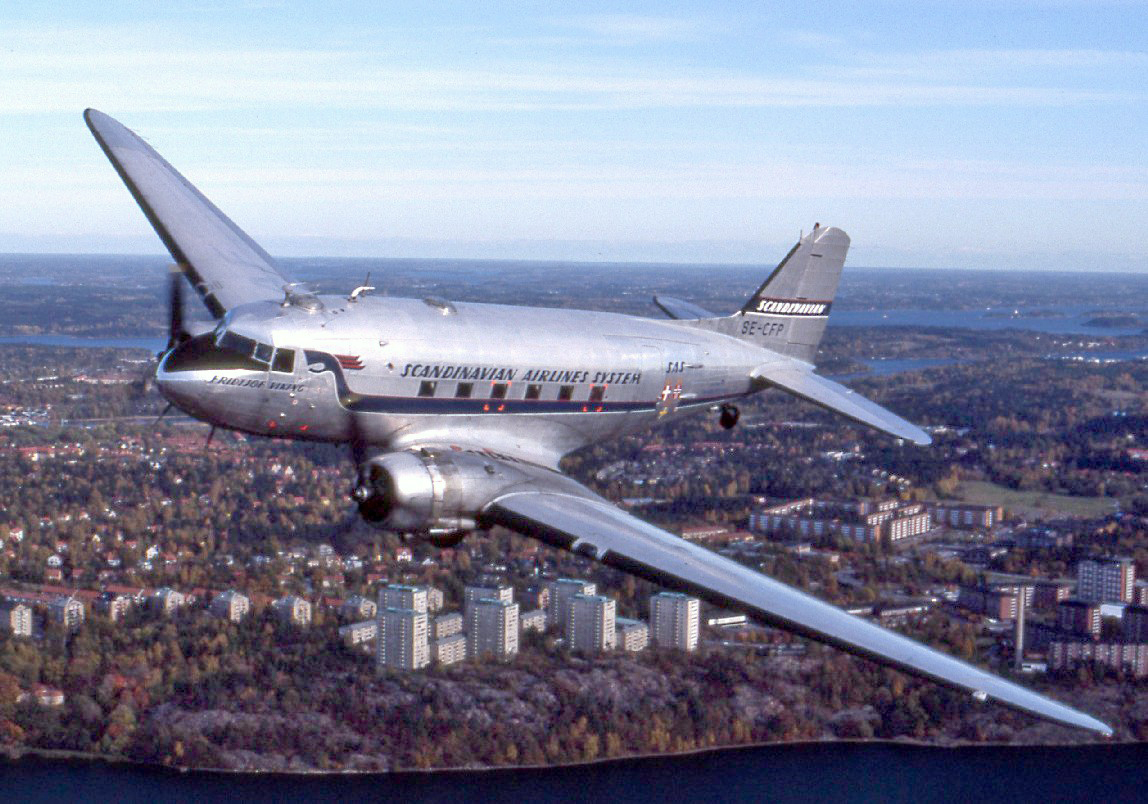
For aviation, the Douglas DC-3 is a flying contradiction: a machine from another century that still forces modern operators to make hard choices about safety, economics, and nostalgia. In Colombia, where rugged geography can turn an aircraft into a lifeline, the survival of a World War II-era plane is more than a museum-grade curiosity. It is a stress test for the entire idea of legacy aviation. How long can a classic airframe keep flying when parts are scarce, regulations are stricter, and the public expects airline-level reliability from everything with wings? That tension is what makes this story matter. The answer is not just about one plane. It is about the uneasy bargain between preserving history and operating safely in the present.
- The
Douglas DC-3remains relevant because of its durability, short-field ability, and usefulness in remote regions. - Legacy aircraft can still fly, but only with intense maintenance discipline and strict operational limits.
- Colombia’s geography helps explain why older aircraft can remain economically and logistically valuable.
- The bigger question is whether heritage aviation can coexist with modern safety expectations.
Why the Douglas DC-3 still matters
The Douglas DC-3 is not surviving because aviation forgot to move on. It is surviving because the airplane solved problems that still matter today. Built in the 1930s and proved during wartime, the aircraft earned its reputation through mechanical simplicity, robust construction, and impressive range for its era. In parts of the world where runways are short, terrain is unforgiving, and logistics remain difficult, those strengths still translate.
That is especially true in Colombia, where mountains, rainforests, and isolated communities make aviation less of a luxury than a necessity. A plane like the DC-3 can handle conditions that make larger, more complex aircraft impractical or too expensive to operate. The result is a kind of aviation time capsule: a vintage machine with a modern job.
The hard truth about legacy aircraft is that nostalgia does not keep them airborne. Maintenance, parts sourcing, and operational discipline do.
The real challenge is not age, it is sustainment
Any airplane can be preserved in a hangar. The challenge begins when it has to fly revenue missions, carry passengers, or perform in weather that punishes aging systems. For a DC-3, that means an operator must solve a complicated puzzle: airframe fatigue, engine reliability, avionics upgrades, fuel economics, and regulatory compliance.
Older aircraft are especially vulnerable to supply chain bottlenecks. Original parts are rare, and replacements often require custom fabrication or certified restoration expertise. That creates a maintenance model that is as much artisanal as industrial. It also means the airplane’s future depends on engineers and mechanics who understand both vintage systems and modern compliance standards.
When done well, that stewardship can be remarkable. When done badly, it becomes a safety risk disguised as heritage.
Parts scarcity changes everything
For legacy aircraft, there is no Amazon Prime solution for authenticity. Every component, from landing gear hardware to wiring harnesses, can become a project. Operators often rely on donor airframes, specialized vendors, or remanufactured parts built to certified standards. Each workaround introduces cost and complexity.
That cost matters because older aircraft do not just require more care – they often require more downtime. And in aviation, downtime is money. So the question becomes whether a route or mission can support the economics of keeping a classic aircraft in service.
Modernization is a balancing act
The temptation with heritage aircraft is to make them feel modern without erasing what makes them special. That often means installing updated navigation equipment, safer communications tools, and improved monitoring systems while leaving the airframe’s historical character intact. Done thoughtfully, this can extend useful life and improve operational confidence.
But there is a line. Overmodernize too aggressively and you risk turning a historic aircraft into a themed shell. Underinvest and you expose passengers and crew to unnecessary risk. The best operators treat modernization as a safety project, not a nostalgia project.
Colombia’s geography explains the appeal
Colombia is one of those countries where aviation can function like infrastructure. Remote communities, variable terrain, and difficult overland routes make air travel practical in a way that outsiders sometimes underestimate. In that environment, an aircraft with proven short-field capability and rugged construction can remain useful long after it has become obsolete in premium commercial markets.
That is part of the reason the Douglas DC-3 has enjoyed such unusual longevity in Latin America. The airplane’s strengths align with the region’s logistical realities. It can connect places that are awkward, expensive, or slow to serve by road. That gives the aircraft a role that is less about speed and more about access.
For communities and operators alike, access changes the equation. Legacy aviation is not always a hobby. Sometimes it is the least bad option available.
When geography is the boss, aircraft design from 80 years ago can still feel surprisingly current.
What this means for aviation safety
This is where the romance gets complicated. A flying museum piece may inspire awe, but the modern aviation system is built around standardized procedures, data-driven maintenance, and a relentless bias toward predictability. Legacy aircraft can absolutely fit into that system, but only if operators accept that they are running a higher-maintenance, lower-margin proposition.
Safety in legacy aviation depends on several pillars:
- Inspection discipline: frequent, detailed checks for corrosion, fatigue, and wear.
- Parts traceability: knowing where components came from and how they were certified.
- Training continuity: pilots and mechanics must understand aircraft behavior, not just generic flight operations.
- Operational restraint: weather, loading, and route decisions may need tighter limits than on modern fleets.
Those are not optional luxuries. They are the price of keeping history airborne without gambling with lives. And when a legacy aircraft fails to meet those standards, the issue is not age alone – it is governance.
Douglas DC-3 and the business of nostalgia
There is also a blunt business case behind all this. Heritage aircraft attract attention. They can support tourism, brand identity, special missions, and cultural pride. A plane like the DC-3 is instantly legible to the public in a way that a modern turboprop is not. It carries an aura of endurance that marketing teams would pay handsomely to fake.
But attention is not profit. Operators must weigh the draw of the aircraft against the cost of keeping it airworthy. That often means flying fewer hours, on narrower routes, with more specialized crews. The result is a niche model, not a scalable one.
Still, niche does not mean trivial. In some markets, the combination of heritage value and utility can justify the expense. The aircraft becomes both an operational asset and a cultural one.
The economics are fragile
Legacy aviation lives on thin margins. Fuel burn, maintenance labor, insurance, and regulatory overhead can quickly overwhelm the economics of a classic airframe. That is why many surviving aircraft exist at the intersection of civic pride, private passion, and pragmatic necessity.
If traffic is steady enough and the role is clear enough, a vintage plane can earn its keep. If not, it becomes a drain. That fragility is why every successful legacy operator deserves credit: they are managing a business model that modern airlines would almost certainly reject.
Why this story matters beyond one airplane
The broader lesson is not that old aircraft are automatically better or worse. It is that technology does not disappear just because something newer arrives. It gets repurposed, preserved, or retired depending on where it still creates value. The Douglas DC-3 survives because it still has a job in places where modern assumptions do not always apply.
That should make policymakers, regulators, and aviation planners pay attention. If an aircraft from the 1930s can still serve real needs in 2026, then infrastructure gaps remain real. So do questions about access, maintenance capacity, and the cost of connecting remote regions. The plane is not just a relic. It is evidence.
There is also a cultural dimension. Preserving a flying DC-3 is a reminder that industrial history is not meant to sit still. It can be maintained, adapted, and even made useful again – but only when the people responsible for it are honest about the risks.
The future of legacy aviation will belong to operators who respect history without romanticizing its failure modes.
What to watch next
Keep an eye on three developments. First, whether more heritage aircraft are upgraded with modern safety systems while retaining their classic structures. Second, whether regulatory standards evolve to better address the realities of vintage operations. Third, whether regions that depend on legacy aircraft invest in newer alternatives that can eventually reduce reliance on aging fleets.
For now, the Douglas DC-3 remains a strange and compelling symbol: proof that engineering endurance can outlast entire generations of aircraft design. But endurance is not immortality. Every flight is a reminder that the past can still be useful, so long as someone is willing to do the unglamorous work of keeping it safe.
The information provided in this article is for general informational purposes only. While we strive for accuracy, we make no guarantees about the completeness or reliability of the content. Always verify important information through official or multiple sources before making decisions.