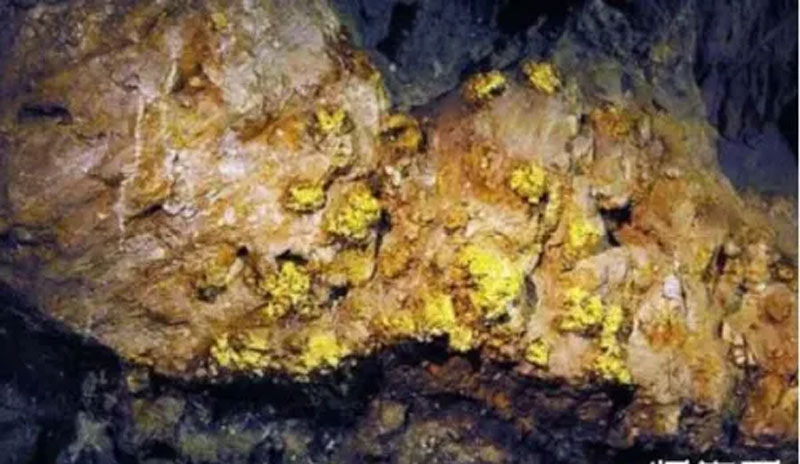
Conflict Minerals Fuel Congo Crisis
Introduction
Conflict minerals are not a distant tragedy tucked away in a remote war zone. They are part of the hidden machinery powering modern electronics, enriching armed groups, and keeping eastern DR Congo locked in a cycle of violence. As sanctions target individuals and networks tied to the trade, the business of extraction and smuggling keeps adapting, because demand has not gone away. That is the brutal reality: if the world keeps buying cobalt, tin, tantalum, and tungsten without demanding real transparency, the war economy simply finds a new route to market. For consumers, tech companies, and policymakers, this is no longer just a humanitarian issue. It is a supply chain problem, a governance failure, and a test of whether global pressure can actually break the economics of conflict.
- Conflict minerals remain a core funding source for armed groups in eastern DR Congo.
- US sanctions can disrupt networks, but they rarely stop smuggling on their own.
- Global demand from electronics and battery supply chains still shapes the trade.
- Traceability, enforcement, and local governance are the real pressure points.
- The issue is both a human crisis and a supply chain risk for tech and manufacturing.
Why conflict minerals still matter
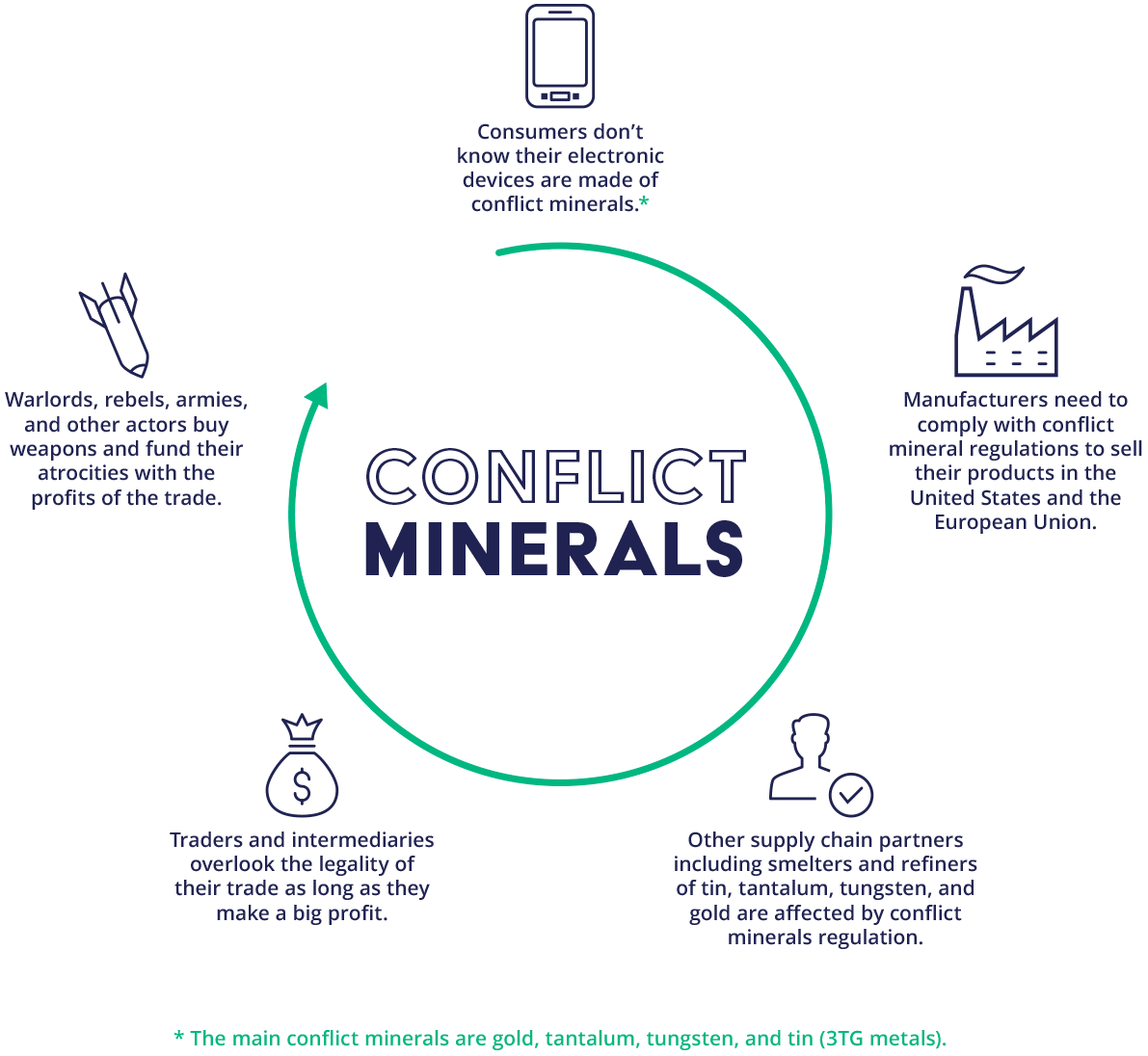
The term conflict minerals covers a set of high-value resources that are easy to move, hard to police, and deeply embedded in global industry. In eastern DR Congo, minerals such as cobalt, tin, tantalum, and tungsten do not just leave the ground and enter legitimate commerce. They pass through layers of miners, traders, middlemen, transporters, and refiners, creating countless opportunities for armed actors to tax, steal, or control the flow.
This is why the conflict persists even when sanctions are announced with confidence. Sanctions can freeze assets, blacklist facilitators, and raise the cost of doing business with abusive networks. But they do not automatically remove the basic incentives. If a mineral can be smuggled across a border, laundered through a trading hub, and sold into a supply chain hungry for volume, the war economy remains profitable.
Sanctions can punish the middlemen. They rarely destroy the market unless buyers also shut the door.
The conflict minerals economy in eastern DR Congo
Eastern DR Congo has long been trapped in a deadly equation: weak state control, abundant mineral wealth, and armed groups willing to monetize both. That makes the region unusually valuable and unusually vulnerable. The mineral trade does not operate like a single criminal cartel. It is fragmented, opportunistic, and deeply local, with militias, rogue officials, and informal traders all taking a cut.
How the money moves
At the mine site, armed groups may control access, extract fees, or force workers into unsafe conditions. From there, ore is moved through informal routes to border towns or processing centers where documentation can be fabricated, altered, or simply ignored. Once the material enters larger commercial channels, its origins become easier to obscure. By the time it reaches a refinery or manufacturer, it can look indistinguishable from legitimate production unless robust traceability systems are in place.
This is where the system breaks down. Many supply chains still rely on self-reporting, spot audits, and paperwork that can be gamed. The result is a market that rewards plausible deniability. If a company can say its suppliers were one step removed from the mine, it may claim clean hands even when the entire chain is contaminated by violence.
Why armed groups keep winning
Armed groups do not need to control the entire mineral economy to profit from it. They only need to extract enough value from a strategic chokepoint. That could mean taxing pit access, extorting transport, or capturing a local trade corridor. Because the margins can be significant and enforcement is inconsistent, even modest control can fund weapons, recruitment, and territorial expansion.
That is why the conflict endures. Military pressure alone rarely dismantles the revenue stream. Without better border control, credible judicial action, and alternative livelihoods for miners and communities, the system regenerates itself.
What US sanctions can and cannot do
Sanctions remain a useful tool, but they are often oversold as a clean solution. When the US targets individuals or entities linked to the conflict minerals trade, it signals that the international financial system will not tolerate abuse. That can be powerful. It can isolate facilitators, scare off banks, and complicate logistics for networks that depend on formal finance or international trade infrastructure.
But sanctions have limits. They work best when they are part of a broader strategy that includes customs enforcement, anti-money-laundering measures, regional diplomacy, and support for local governance. Otherwise, the trade simply shifts into smaller, harder-to-track channels. Smuggling routes reroute. Intermediaries change names. Shell firms appear. And the violence continues while the paperwork improves.
Without follow-through, sanctions become theater: politically satisfying, operationally incomplete.
The enforcement gap
The enforcement gap is not just about capacity. It is also about political will. Mineral-rich conflict zones often sit inside a wider geopolitical web where neighboring states, trading hubs, and global buyers all have incentives to look the other way. That means any credible anti-conflict minerals strategy has to address not only the mine site but also the border, the port, the refinery, and the boardroom.
That is a much harder ask than posting a sanctions list. It requires information-sharing between governments and companies, real penalties for evasion, and enough investigative muscle to follow the money. Without that, sanctions are a speed bump, not a barrier.
Why the tech industry cannot ignore conflict minerals
If you own a smartphone, wear a smartwatch, drive an electric vehicle, or use a laptop, you are connected to this story whether you like it or not. The tech sector depends on metals and minerals that are often sourced through opaque, globalized supply chains. That dependency creates a moral and operational risk. It also creates a reputational one, because consumers increasingly expect companies to know where their materials come from and how they were extracted.
There is a reason procurement teams obsess over chain-of-custody documentation. Reputational damage from one contaminated supplier can ripple through an entire product line. More importantly, weak oversight can leave firms exposed to regulatory action, shareholder pressure, and public backlash. The market is no longer impressed by vague sustainability language. It wants proof.
What better traceability looks like
Companies serious about reducing conflict minerals exposure need more than annual disclosures. They need operational traceability embedded throughout sourcing. That means mapping suppliers, verifying smelters and refiners, and using independent audits that test not just paperwork but real-world practices.
- Track minerals from mine to refinery using documented chain-of-custody systems.
- Audit suppliers for geographic risk, not just contractual compliance.
- Require smelters and refiners to prove sourcing controls.
- Use incident reporting to flag unusual volume spikes or route changes.
- Link procurement decisions to measurable human rights criteria.
For manufacturers, this is not an optional ethics program. It is increasingly a baseline expectation. The companies that get ahead of this will be the ones with stronger resilience when regulators, investors, or consumers start asking harder questions.
What has to change next
The biggest mistake in the conflict minerals debate is treating it as a single-issue problem. It is not. It is a governance problem, an economic problem, and a supply chain architecture problem all at once. Ending the trade in war minerals requires pressure at every point where value is added.
Better local control and safer livelihoods
Miners and local communities need alternatives that are real, not symbolic. If legal mining remains dangerous, underpaid, and captured by armed actors, people will still enter the informal system. That means investing in safer sites, transparent licensing, community protection, and local economic development. Any policy that ignores livelihoods will fail on the ground.
Smarter border and trade enforcement
Regional governments need stronger customs systems, better data, and fewer opportunities for bribe-driven fraud. Digital documentation can help, but only if it is backed by audits and consequence. A certificate is not proof if everyone in the chain can be bought.
Corporate accountability with teeth
Voluntary reporting has not been enough. The next phase needs mandatory due diligence, more public supplier disclosure, and penalties that matter when companies ignore risk. If conflict minerals can still enter high-volume markets with little more than a compliance memo, then the incentive structure has not changed at all.
That is the uncomfortable truth. The war in eastern DR Congo is not sustained by minerals alone, but minerals make the violence durable. They turn conflict into a business model. Until the world changes the economics of that model, sanctions will remain necessary but insufficient.
The bigger picture
Conflict minerals expose a hard lesson about modern globalization: the things that power our devices can also power atrocities. That is why this issue refuses to stay local. It connects mining pits in eastern DR Congo to boardrooms in Europe, factories in Asia, and consumers everywhere. The supply chain is not separate from the conflict. It is part of it.
For policymakers, the task is to turn sanctions into a broader enforcement strategy. For companies, the job is to prove sourcing integrity instead of merely asserting it. For buyers and investors, the challenge is to reward transparency and punish willful ignorance. And for the international community, the test is whether it can stop treating conflict minerals as background noise and start treating them as a central driver of war.
The stakes are plain: if the minerals keep moving, the violence keeps paying.
The information provided in this article is for general informational purposes only. While we strive for accuracy, we make no guarantees about the completeness or reliability of the content. Always verify important information through official or multiple sources before making decisions.