Congress Pushes TikTok Ban Amid GeoTech Crossfire
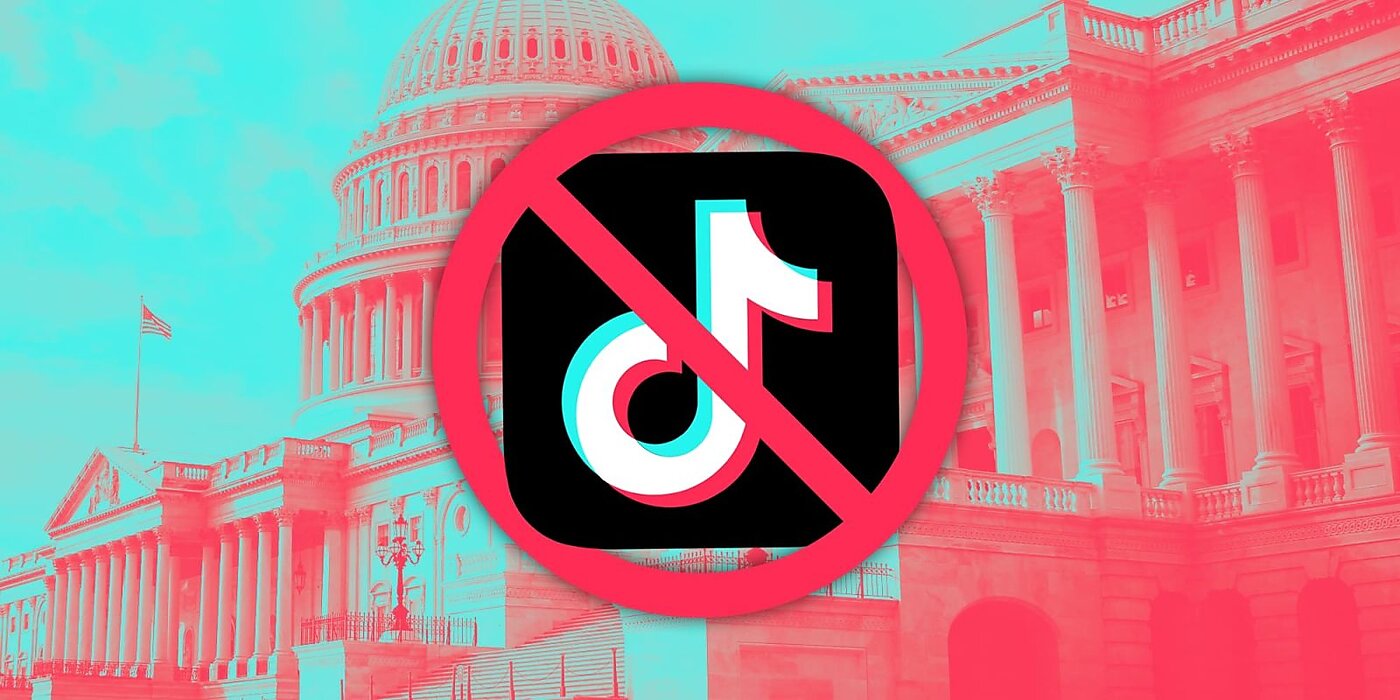
The TikTok ban fight just left the theoretical war room and marched into the Capitol corridors, and the stakes could not be clearer: Washington wants to dictate the future of one of the most addictive consumer apps on the planet before Beijing or Wall Street can. If lawmakers get their way, ByteDance will either spin off TikTok or see it ripped out of US app stores. The move exposes every fault line in America’s relationship with consumer tech: national security panic versus free expression, platform capitalism versus open internet ideals, and a Congress trying to regulate with the precision of a sledgehammer. The question is no longer whether the US can bend a global platform to its will – it is whether the country is ready to own the fallout that comes with a forced TikTok ban.
- Lawmakers are advancing a divest-or-block mandate that targets TikTok’s data flows and algorithmic control.
- ByteDance faces a compressed timeline to sell or spin off under intense geopolitical scrutiny.
- Free speech, app store gatekeeping, and user data portability collide as unintended consequences loom.
- Marketers, creators, and cloud vendors are modeling contingency plans before any code is pulled.
TikTok ban becomes Washington’s stress test for tech power
Congress has rarely moved this fast on consumer tech. The proposed mandate would treat ByteDance’s US footprint as a national security risk, leveraging CFIUS-style powers to force a sale. Lawmakers cite the possibility that Chinese law could compel access to US user data, yet they gloss over the fact that American adtech firms already broker data across murky supply chains. The bill’s core message: if a foreign platform sits atop US cultural and commercial rails, Washington wants a veto.
The urgency is political as much as technical. An election year is colliding with a bipartisan appetite to appear tough on Beijing. That accelerant explains the compressed compliance windows that leave little room for due diligence on any acquisition. A rushed separation of TikTok’s recommendation engine would challenge even seasoned cloud architects. Rebuilding or firewalling the For You algorithm without downtime would require migrating code, data pipelines, and moderation rules across regions in record time – a task that would normally take quarters, not weeks.
Congress is betting that geopolitical anxiety justifies breaking apart a platform with 170 million US users – and that voters will accept the collateral damage.
Security hawks argue this is overdue digital hygiene. But the US is simultaneously signaling to allies that platform ownership can be weaponized. That is a precedent Washington may regret when a future European parliament or an Indian regulator decides that a US-made app is the next security risk worth unplugging.
Geopolitics baked into app store plumbing
Behind the rhetoric sits a more mundane but critical chokepoint: app distribution. Apple and Google can enforce any TikTok ban via their app stores and DNS controls, effectively deputizing private companies into national security enforcement. This underscores how much sovereign power Big Tech holds. If regulators can compel one takedown today, what stops them from mandating future removals based on economic leverage rather than explicit security threats?
App store dependency also raises antitrust flags. Mandating removal of a single app grants incumbents a free pass to degrade competition under the guise of compliance. The irony is hard to miss: while the US lectures about open markets, it is leaning on two gatekeepers to execute a geopolitical directive.
TikTok ban collides with free speech economics
Supporters frame the mandate as a data sovereignty play. Critics see a content suppression tool in disguise. TikTok’s explosive growth has shifted discourse and advertising spend away from US platforms; a ban or forced sale is economically convenient for Silicon Valley giants whose DAU curves have plateaued. Marketers are already modeling budgets without TikTok, shifting dollars to Meta’s Reels and YouTube Shorts. Creators fear losing hard-won audiences built through platform-specific formats that do not port cleanly elsewhere.
The bill punts on the First Amendment questions and leaves courts to sort out whether a government-ordered removal of a speech platform can survive strict scrutiny.
ByteDance will almost certainly litigate, arguing that code is speech and that a platform-level block is unconstitutional. The Supreme Court has never seen a case that blends national security, speech rights, and platform governance at this scale. If a preliminary injunction lands, expect months of legal limbo that freezes product development and leaves advertisers guessing.
Data paranoia versus practical safeguards
TikTok’s US data storage push on Oracle servers was meant to neutralize surveillance fears. Yet lawmakers insist storage is irrelevant if the algorithm remains under ByteDance control. This critique is fair: who writes the ML model rules matters more than where the bits live. But the proposed cure may be worse than the disease. Forking the codebase under a new owner requires transplanting moderation policies, recommendation weights, and abuse detection signals. Every change risks subtle shifts that alter the viral mechanics creators rely on.
The bill offers no blueprint for auditing post-sale transparency. If the goal is to prevent covert influence, Congress should pair any divestiture with mandatory third-party audits of API access, model updates, and data retention windows. Without that, a US-owned TikTok could still become a dark pattern factory driven by domestic political interests rather than foreign ones.
Business fallout: from adtech to cloud vendors
A forced TikTok ban reverberates beyond influencers. Agencies have stitched TikTok into their funnel strategies for CPM efficiency and brand discovery. Pulling that thread will raise acquisition costs and push marketers toward less efficient placements. Meanwhile, cloud vendors and content moderation firms that support TikTok’s US operations face revenue cliffs. ByteDance has been a reliable customer for GPU-heavy training workloads, data warehousing, and content review tooling; any asset sale could reshuffle those contracts overnight.
Competition regulators should also watch for quiet consolidation. If an American tech giant buys TikTok, its control over social ad inventory will deepen, blunting the competitive pressure that TikTok brought to mobile video. That would roll back several years of diversification in the ad market and concentrate power in fewer hands – precisely what policymakers claim to oppose.
Developers and the portability mess
Developers who rely on TikTok’s SDK for login, analytics, or creative tools could be stranded if APIs go dark. The bill does not mandate interoperability or data portability. That omission means user-generated content, drafts, and audience insights may be trapped in a platform that suddenly becomes inaccessible. A smarter policy would compel exportable data packages and standardized OAuth flows so creators can migrate to alternative platforms without losing their history.
Absent that, expect a gray market of archiving tools and scraped backups, raising privacy risks the bill purports to mitigate. Once again, a headline-grabbing ban may generate new vulnerabilities rather than sealing existing ones.
The acquisition minefield
Who could actually buy TikTok’s US business? Any bidder needs deep pockets, political tolerance, and the technical appetite to integrate a hyper-scale video feed. A private equity consortium would struggle to reassure regulators about long-term governance. A Big Tech suitor would face immediate antitrust fire. Telecom players could claim network synergy but lack consumer product chops. Meanwhile, ByteDance is unlikely to surrender core algorithmic IP, meaning any buyer may receive an incomplete kit without the crown-jewel model weights.
The most plausible path is a heavily negotiated trust structure where code, data, and governance are split across US-controlled entities – a complex dance with no historical precedent at this scale.
That structure would need airtight service-level agreements for uptime, content moderation, and security audits. It would also need to satisfy global users that their experience remains stable, lest creators flee. In short, this is less a fire sale and more an attempt to rebuild a jet mid-flight with regulators holding the wrench.
Why this matters beyond TikTok
The precedent set here will ripple through every future debate about foreign-owned apps, cloud infrastructure, and even hardware. If the US normalizes forced divestitures, it opens the door for reciprocal measures abroad against American companies. That balkanizes the internet into spheres of control and fractures the open distribution of software. It also invites political actors to frame rivals as security threats whenever market share is at stake.
There is a better path: transparent security standards that apply to every platform, foreign or domestic. Mandate independent audits of data access, model updates, and code changes for any app above a certain user threshold. Require app stores to publish enforcement logs so the public can see when and why software gets pulled. And invest in digital literacy so users understand the risks of any platform, not just the foreign ones.
The TikTok ban push is a stress test for American tech policy maturity. Right now, it looks like a blunt instrument wielded in a moment of geopolitical anxiety. The outcome will reveal whether the US can craft nuanced rules for the platforms that shape its culture – or whether it defaults to prohibition and hopes for the best.
The information provided in this article is for general informational purposes only. While we strive for accuracy, we make no guarantees about the completeness or reliability of the content. Always verify important information through official or multiple sources before making decisions.