Congress Stalls Crypto Push
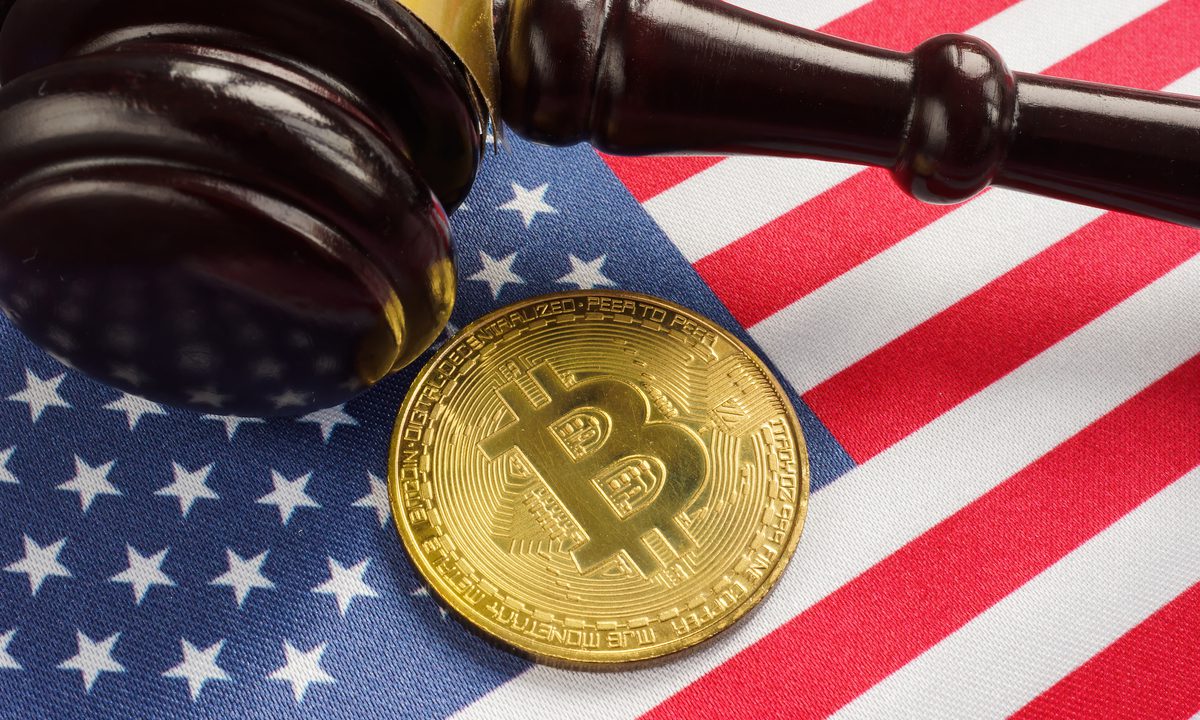
Congress Stalls Crypto Push
Washington just reminded the crypto industry who still controls the clock. After months of lobbying, hearings, and headline-friendly momentum, the House left town early and pushed the next phase of crypto legislation into a more uncertain lane. For builders, exchanges, token issuers, venture funds, and retail investors, the message is blunt: policy risk remains one of the most powerful forces in digital assets. The market wants clear rules for stablecoins, exchanges, custody, and token classification. Congress wants leverage, timing, and political wins. Those priorities do not always move together, and this delay shows how quickly a policy window can narrow when broader Washington fights take over the calendar.
- Crypto momentum in Congress has slowed after the House left Washington ahead of schedule.
- Market-structure rules remain unresolved, leaving exchanges and token projects in regulatory limbo.
- Stablecoin policy is still the most viable near-term target, but timing now matters more than hype.
- The delay is not a death blow, but it raises the cost of uncertainty for the entire digital asset sector.
Why Crypto Legislation Hit a Washington Wall
The crypto industry has spent years arguing that the United States needs a coherent framework instead of regulation by enforcement. That argument has gained traction, especially as institutional investors, payment companies, and traditional finance firms explore tokenization, stablecoins, and blockchain-based settlement. But the House leaving Washington early undercuts the idea that crypto policy is moving on a clean, predictable track.
The practical issue is simple: legislative calendars are scarce assets. Every missed voting window pushes bills into a more crowded political environment. Budget fights, campaign positioning, foreign policy, investigations, and leadership disputes can all outrank digital assets, even when lawmakers publicly say the issue is important.
The crypto industry does not just need friendly language from Congress. It needs floor time, vote counts, committee discipline, and a Senate path. Without those, momentum is branding, not law.
This is why the early departure matters. It signals that even when crypto policy has unusually strong visibility, it can still be displaced by the machinery of congressional politics.
Crypto Legislation Is No Longer a Niche Fight
For years, crypto legislation was treated as a niche concern for exchanges, miners, and token investors. That era is over. The policy debate now touches banking, payments, national security, consumer protection, capital formation, and the global role of the dollar.
Stablecoins are the center of gravity
Stablecoins are the most politically legible part of the crypto market. They are easier to explain than decentralized finance and less speculative than meme tokens. At their core, dollar-backed stablecoins promise faster settlement, programmable payments, and 24/7 transferability. That makes them attractive to fintech firms and alarming to some banking regulators.
The central question is who gets to issue them and under what oversight. Banks want guardrails that protect the deposit system. Crypto-native firms want rules that do not hand the future of digital dollars entirely to incumbents. Regulators want reserve transparency, redemption standards, anti-money laundering compliance, and clear supervisory authority.
Why this matters: if Congress fails to define the rules, the market will keep operating through a patchwork of state licenses, enforcement signals, and risk-based legal interpretations. That is workable for large, well-funded players. It is punishing for startups.
Market structure remains the harder problem
The broader fight over digital asset market structure is more complicated. Lawmakers must decide when a token is a security, when it is a commodity, and which agency should police trading platforms. The Securities and Exchange Commission and the Commodity Futures Trading Commission have different mandates, cultures, and tools. Crypto businesses want a clearer split. Investor advocates worry that a lighter framework could weaken protections.
That debate goes to the heart of the industry. If most tokens are treated like securities, many projects face registration burdens that current networks were not designed to meet. If more tokens fall under a commodities-style framework, exchanges may gain a path to compliance, but critics will ask whether retail investors are adequately protected.
The House delay does not answer that question. It simply extends the period in which companies must make product, listing, and compliance decisions without durable statutory clarity.
The Real Cost of Delay for Crypto Companies
Policy delays rarely show up instantly on a balance sheet, but they shape behavior. A company deciding where to build, which assets to list, whether to launch a stablecoin, or how to structure custody operations must price in regulatory uncertainty. When Congress stalls, the safest strategy is often to slow down, geofence products, spend more on lawyers, or shift activity offshore.
That is not just a crypto problem. It is an American competitiveness problem. The European Union has already moved ahead with a comprehensive digital asset regime. Other financial centers are building licensing frameworks designed to attract crypto infrastructure. The United States still has the deepest capital markets and the most important currency, but uncertainty can erode advantages over time.
Pro Tip for founders and operators
Do not build a 2026 strategy around a single expected bill becoming law. Model multiple outcomes: a stablecoin-only framework, a delayed market-structure package, continued agency enforcement, and state-by-state licensing pressure. The companies that survive policy uncertainty are the ones that treat compliance as infrastructure, not cleanup.
- Review token listings against current enforcement risk, not just future legislative hopes.
- Strengthen custody controls and document operational separation between customer and corporate assets.
- Prepare reserve disclosures if operating or integrating
stablecoins. - Track congressional timing as a business risk alongside liquidity, security, and market volatility.
Why Investors Should Care About the House Delay
Crypto investors often watch price charts more closely than committee schedules. That is a mistake. For digital assets, legislation can change market structure, liquidity, listing standards, and institutional participation. A delayed bill may not trigger a crash, but it can cap risk appetite by leaving major questions unanswered.
Institutional investors in particular care about legal certainty. Asset managers, banks, payment networks, and public companies do not move at the speed of crypto Twitter. They need board approval, compliance sign-off, risk committee comfort, and audit clarity. The absence of congressional action makes every step heavier.
Markets can tolerate volatility. What they struggle to price is a regulatory regime that keeps changing through lawsuits, agency interpretations, and election cycles.
That is why a legislative delay can be bearish for innovation even if prices hold up. It slows the migration from speculative trading to durable financial infrastructure.
The Political Stakes Behind Crypto Legislation
Crypto has become more politically organized. Industry groups are spending more. Voters who own digital assets are more visible. Lawmakers increasingly understand that the issue crosses generational and ideological lines. Some Republicans frame crypto as a financial freedom and innovation issue. Some Democrats see potential in inclusion and payment modernization, while others focus on fraud, systemic risk, and consumer losses.
The result is an unusual coalition, but not an easy one. Crypto bills can attract bipartisan interest in committee and still face trouble on the floor. A member may support stablecoin rules but oppose limits on a CBDC. Another may want innovation but demand tougher anti-money laundering provisions. Leadership may support the concept but refuse to spend political capital during a chaotic week.
The Senate is the bigger filter
Even if the House advances a package, the Senate remains a harder venue. Senators tend to move more slowly, demand narrower language, and give regulators more influence. Any serious crypto bill needs to survive negotiations over banking authority, investor protection, illicit finance, and federal preemption.
That means the House delay is not just a missed moment. It compresses the timeline for the more difficult chamber. The closer Washington gets to election season or major fiscal deadlines, the harder it becomes to pass complex financial legislation.
What Comes Next for Stablecoins and Market Structure
The most likely path is not a single sweeping crypto overhaul. It is a staged fight. Stablecoin rules may remain the best candidate for near-term action because they connect directly to dollar dominance, payments, and reserve standards. Market-structure reform is still possible, but it requires more compromise and technical drafting.
Watch for three signals. First, whether House leadership quickly puts crypto back on the calendar. Second, whether Senate negotiators align on a narrow stablecoin framework. Third, whether regulators soften or intensify enforcement while Congress debates. Those signals will matter more than speeches.
For the crypto industry, the strategic mistake would be assuming that political attention equals legislative inevitability. The better read is more cautious: the odds of eventual regulation are rising, but the shape and timing remain unstable.
The Bottom Line on Crypto Legislation
The House leaving Washington early does not kill crypto legislation. It does expose how fragile the industry’s policy momentum still is. Digital assets have moved from the fringe to the center of financial policy, but they have not escaped the brutal incentives of Congress.
For builders, the mandate is to prepare for rules without betting the company on them. For investors, the lesson is to treat policy timing as a market variable. For lawmakers, the risk is larger than crypto prices: if the United States cannot clarify the rules for digital finance, other jurisdictions will keep writing the playbook.
The crypto market has spent years asking Washington for clarity. This week, Washington answered with something more familiar: delay.
The information provided in this article is for general informational purposes only. While we strive for accuracy, we make no guarantees about the completeness or reliability of the content. Always verify important information through official or multiple sources before making decisions.