Cornell Case Exposes Campus Assault Crisis
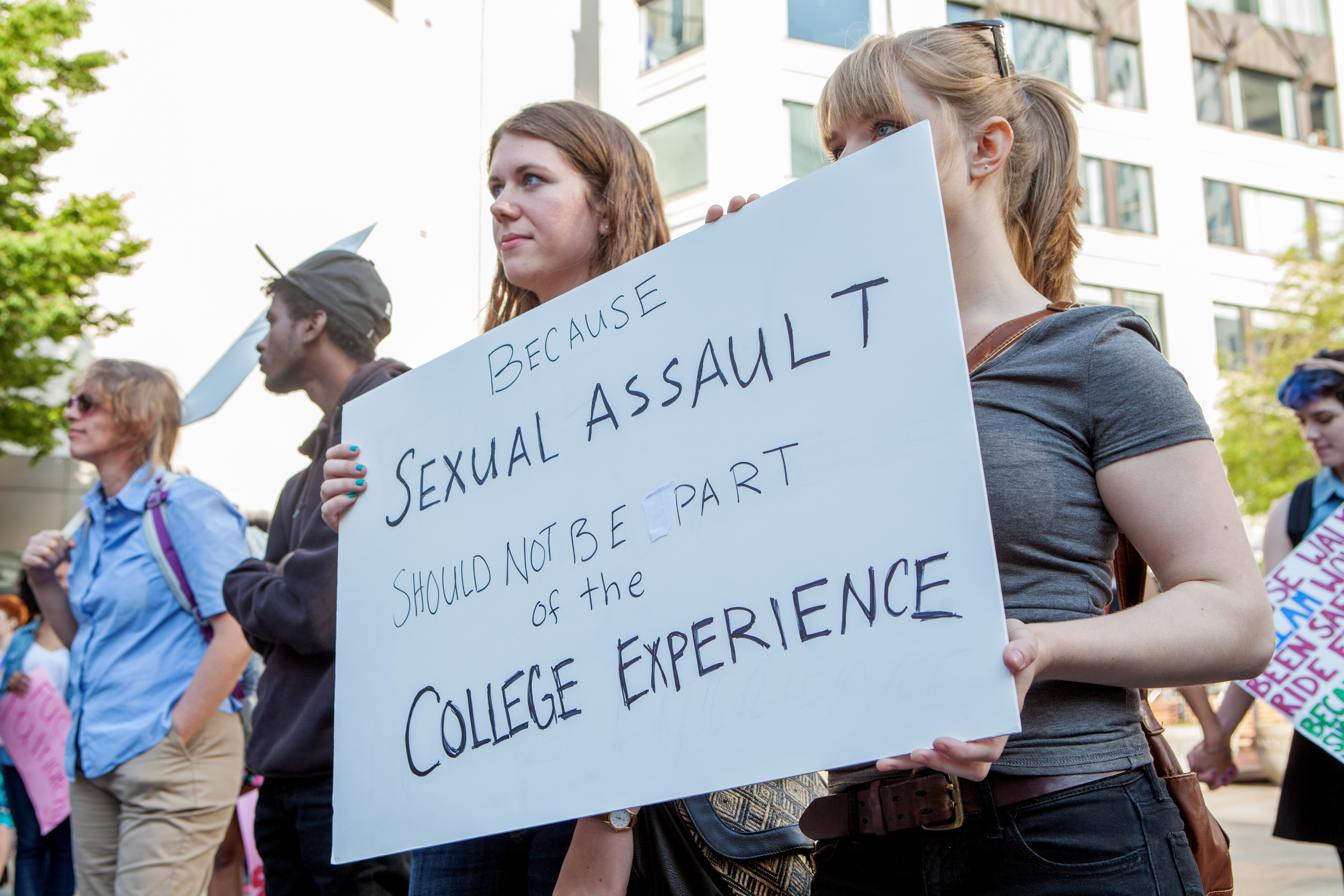
Campus sexual assault is not just a campus safety issue – it is a governance crisis, a trust crisis, and a test of whether elite institutions can protect students without hiding behind process. The Cornell Jane Doe story lands because it captures a brutal reality: when a university mishandles sexual violence allegations, everyone is forced into a maze built for liability management, not healing or truth. Survivors want safety and recognition. Accused students deserve fair procedures. Parents want accountability. Administrators want the institution to survive the news cycle. That collision is exactly why the debate around Cornell matters far beyond one campus.
- The Cornell case underscores a national failure: colleges still struggle to build credible systems for handling sexual assault allegations.
Title IXis essential but insufficient: legal compliance does not automatically create justice, safety, or trust.- Transparency is the missing layer: universities often communicate process while withholding the human stakes.
- Better systems require more than policy updates: campuses need prevention, trauma-informed support, and independent accountability.
Why the Cornell Campus Sexual Assault Debate Hits So Hard
The phrase campus sexual assault has become familiar enough to risk sounding bureaucratic. That is part of the problem. Behind every formal complaint, hearing panel, no-contact order, and appeal deadline is a student whose life may have been permanently altered. The Cornell case, framed through the anonymity of Jane Doe, reminds readers that institutional language can flatten trauma into paperwork.
Universities tend to present these cases as procedural dilemmas: Was the complaint filed on time? Was the evidence standard appropriate? Did the school follow federal guidance? Those questions matter. But they can also become a shield. A process can be technically defensible and still feel morally hollow to the people living through it.
The hard truth is that universities are often better at managing institutional exposure than rebuilding student trust.
That tension explains why these stories keep resurfacing at elite schools. The problem is not simply that bad things happen on campus. It is that schools invite students into tightly managed residential communities, sell those communities as safe and formative, then struggle to respond when violence occurs inside them.
The Limits of Title IX in Campus Sexual Assault Cases
Title IX is the backbone of the federal framework governing sex discrimination in education. It gives students a pathway to challenge hostile environments and demand institutional action. But over time, Title IX has also become a proxy battlefield for debates about feminism, civil liberties, institutional liability, and partisan power.
That politicization has made campus systems unstable. Rules shift from administration to administration. Standards change. Training materials get rewritten. Hearing models evolve. Students experiencing one of the worst moments of their lives are dropped into systems that even lawyers and administrators struggle to explain cleanly.
Compliance Is Not the Same as Care
A university can comply with Title IX and still fail a student. It can provide notice, assign an investigator, schedule interviews, and issue a finding while leaving the survivor isolated, academically derailed, socially exposed, and emotionally exhausted. That gap between legal compliance and meaningful care is where much of the anger lives.
Survivor-centered support should include immediate academic flexibility, housing accommodations, trauma-informed counseling, clear safety planning, and protection from retaliation. None of those should depend on a student becoming an expert in university procedure.
Fairness Still Matters
It is also true that accused students need fair process. Due process is not a technicality, and it should not be dismissed as a tactic. A finding of responsibility can derail education, reputation, and future employment. Any serious system must protect against bias, weak evidence, and predetermined outcomes.
The challenge is not choosing between survivors and fairness. The challenge is designing a system that treats both as non-negotiable. That means trained investigators, clear evidence standards, meaningful opportunities to respond, and decision-makers who are independent from campus politics.
Campus Sexual Assault Needs Independent Accountability
Here is the uncomfortable reality: universities have a conflict of interest. They are responsible for student safety, but they are also protecting brand equity, donor confidence, enrollment, athletics, faculty reputation, and legal exposure. That does not mean administrators act in bad faith. It means the structure itself is compromised.
When a school investigates itself, students are asked to trust the same institution that may have failed to prevent, respond to, or communicate about the harm. That is a fragile bargain.
If universities want public trust, they cannot keep asking students to accept closed systems, opaque findings, and polished statements as accountability.
Independent review boards could help. So could external audits of Title IX offices, public reporting on timelines and outcomes, and stronger separation between student support services and institutional legal strategy. Privacy rules such as FERPA are important, but they should not become a blanket excuse for silence.
What Real Transparency Would Look Like
- Clear timelines: students should know how long each stage of a case is expected to take.
- Plain-language rights: policies should be readable without hiring a lawyer.
- Aggregate reporting: campuses should publish data on reports, investigations, findings, sanctions, and appeals.
- External audits: independent experts should evaluate whether procedures match stated values.
- Retaliation tracking: schools should monitor social, academic, and digital backlash after reports.
Transparency does not require exposing survivors or violating privacy. It requires showing the community that the system is not a black box.
The Culture Problem Universities Prefer Not to Name
Policy reform is necessary, but policy alone cannot fix a culture that normalizes coercion, alcohol-fueled ambiguity, social pressure, and silence. Many campus sexual assault cases do not emerge from dark alleys. They emerge from dorm rooms, parties, clubs, athletics circles, and friend groups where status and belonging shape what students feel able to say.
That makes prevention harder than issuing another online training module. Students can click through a consent video and still participate in social environments where boundaries are blurred, reputations are weaponized, and reporting carries enormous social cost.
Universities should be honest about this. Prevention requires repeated, in-person education tied to real campus scenarios. It requires bystander training that students actually practice. It requires fraternities, athletic teams, residential advisers, student organizations, and faculty to be treated as part of the safety architecture, not optional audiences for compliance content.
Pro Tip for Universities
Stop treating prevention as a once-a-year training requirement. Build it into orientation, residential life, leadership programs, athletics, study abroad preparation, and faculty advising. Repetition matters because culture is not changed by a checkbox.
Why the Cornell Case Matters Beyond Cornell
Cornell is not unique because it faces allegations or criticism. It is significant because elite universities set norms. When prestigious institutions appear slow, defensive, or opaque, they signal to the broader higher education sector that reputation management remains the default playbook.
That matters at smaller colleges with fewer resources. It matters at public universities navigating political pressure. It matters at community colleges, where commuter students may have less access to residential support systems. The campus sexual assault debate is not confined to Ivy League quads. It is a national stress test for higher education.
The stakes are also rising because students and families are more skeptical of institutions than they were a decade ago. Tuition is higher. Mental health needs are more visible. Social media makes institutional failures harder to contain. The old strategy – handle the matter internally, release a careful statement, and wait for attention to move on – is increasingly obsolete.
What a Better System Should Do Next
A credible campus response to sexual assault must move faster, communicate better, and support students more comprehensively. It should also acknowledge that universities are not courts. They are educational institutions with a duty to maintain access to learning. That duty includes protecting students from hostile environments and ensuring that disciplinary systems are fair.
The most effective model would combine several layers: confidential support for survivors, clear reporting options, professional investigations, independent oversight, prevention programming, and meaningful sanctions when responsibility is found. It would also avoid pretending that any one tool can solve the entire problem.
- For students: reporting options should be clear before a crisis happens.
- For parents: the key question is not whether a school has a policy, but whether it has capacity and independence.
- For administrators: credibility comes from transparency, not perfect messaging.
- For policymakers: stable rules matter more than ideological whiplash.
The next phase of campus safety will be defined by whether universities can move from defensive compliance to visible accountability.
The Bottom Line on Campus Sexual Assault
The Cornell Jane Doe discussion is painful because it forces a reckoning with what universities promise and what they can actually deliver. Students are told campus will be a place of discovery, ambition, and belonging. When sexual violence enters that environment, the institution has to do more than process a file. It has to prove that its duty of care is real.
That means refusing easy binaries. Survivor support and fair procedures are not enemies. Privacy and transparency are not opposites. Legal compliance and moral leadership are not the same thing. The schools that understand those distinctions will be better prepared for the next crisis. The schools that do not will keep repeating the same cycle: harm, outrage, investigation, statement, silence.
Cornell may be the name in the headline, but the challenge belongs to every campus. The question is whether higher education will keep optimizing for institutional survival or finally build systems worthy of the students who trusted it.
The information provided in this article is for general informational purposes only. While we strive for accuracy, we make no guarantees about the completeness or reliability of the content. Always verify important information through official or multiple sources before making decisions.