Cricket Laws Face a New Test
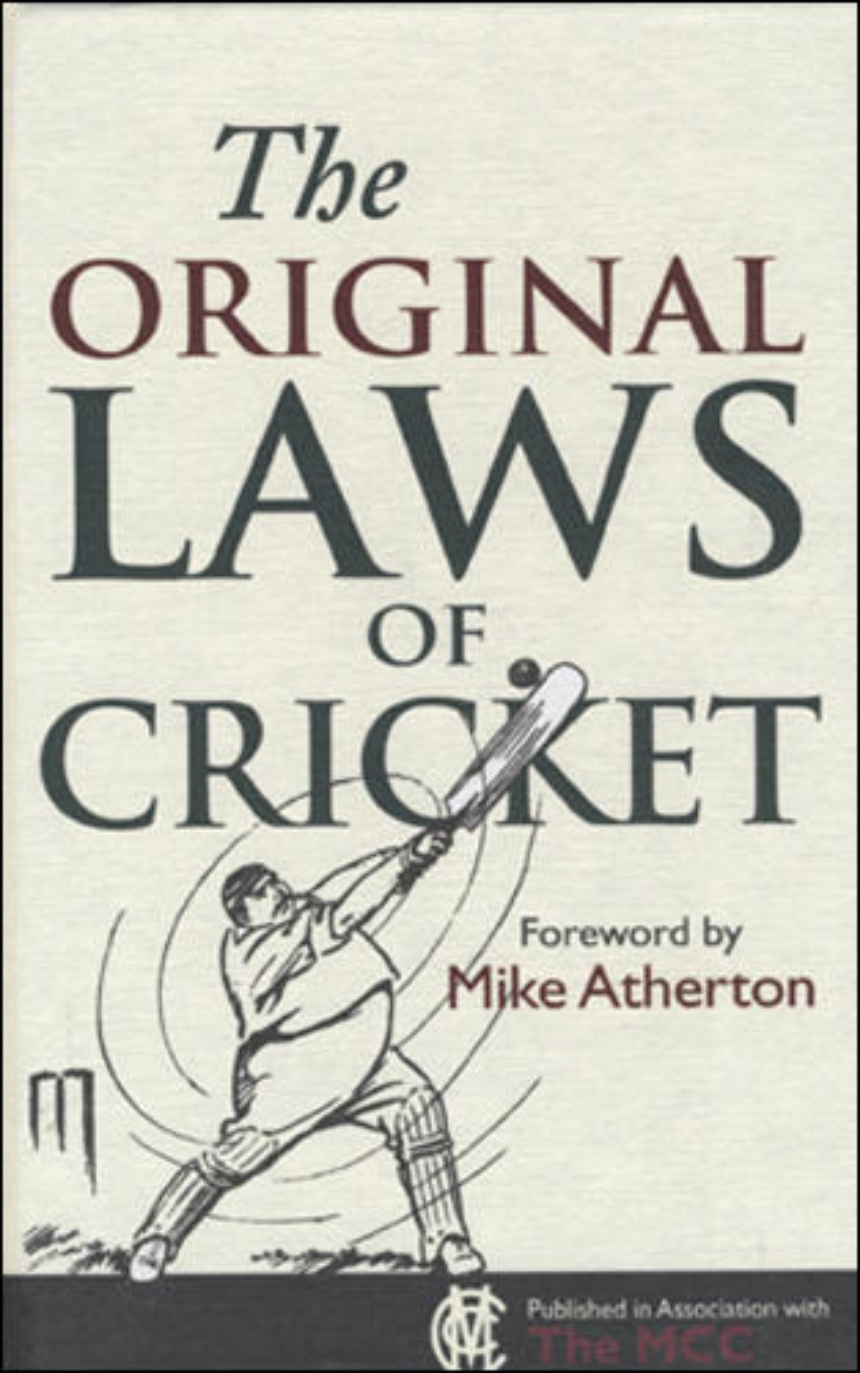
Cricket Laws Face a New Test
Cricket does not usually break because of one moment. It breaks because the pressure keeps building: faster formats, tighter margins, sharper TV scrutiny, and players who are now expert at gaming every edge in the cricket laws. That is the uncomfortable reality facing the sport right now. The traditions are still powerful, but the old assumptions are getting stress-tested by a game that moves faster than the rulebook can comfortably follow.
What used to be a debate among purists now has real consequences for match integrity, broadcasting decisions, player behavior, and fan trust. If the laws cannot keep pace, the sport risks turning every marginal incident into a legitimacy problem. That is why this moment matters. The issue is not just about one controversial call. It is about whether cricket can preserve fairness without becoming so bureaucratic that it drains the game of rhythm and instinct.
- The
cricket lawsare under pressure from modern tactics, technology, and broadcast scrutiny. - Small rule ambiguities can now trigger major match-turning disputes.
- The sport needs consistency, not just tradition, to protect credibility.
- Any future reform must balance fairness, pace of play, and the spirit of cricket.
Why the cricket laws are suddenly in the spotlight
Cricket has always lived with tension between written laws and unwritten norms. Players appeal for runs that were never there, batsmen walk when they think they are out, and umpires are asked to make split-second decisions under intense pressure. That has not changed. What has changed is the volume of surveillance around every decision.
High-definition replays, ball-tracking, stump microphones, and social media analysis have made even routine calls feel forensic. A marginal front-foot no-ball, a questionable run-out, or a fielding infringement can dominate the conversation for hours. The problem is not that fans care more. The problem is that the game has become more measurable, more replayable, and more exposed.
Cricket is no longer judged only by what happened on the field. It is judged by how clearly the laws can explain what happened after the fact.
The real tension between tradition and clarity
The strongest argument in cricket’s favor has always been its sense of continuity. The laws are supposed to protect the game’s character, not turn it into a sterile technical exercise. But tradition can become a weakness when it is used to excuse ambiguity.
That is where the modern debate over cricket laws gets difficult. Rules need to be stable, but they also need to be legible. If players, coaches, umpires, and viewers interpret a law differently, the game starts producing outcomes that feel arbitrary. Once that happens, every controversial incident becomes a referendum on the sport itself.
The best sporting rules do three things well: they are easy to understand, hard to exploit, and consistent under pressure. Cricket is not always there yet. In some cases, the law may technically be sound but operationally confusing. In others, the spirit of the rule and the way it is enforced drift apart. That gap is where disputes thrive.
How technology changed the stakes for the cricket laws
Technology has been one of cricket’s biggest credibility boosters, but it has also revealed the sport’s fragility. The more precise the tools become, the less forgiving the laws look when they are vaguely written or unevenly applied.
Decision review and the illusion of certainty
The DRS era promised fewer howlers, and it largely delivered. But it also introduced a new expectation: that every decision should be provably correct. That is not always realistic. Ball-tracking models, camera angles, and frame rates all have limits. When a law depends on visual interpretation or edge-case judgment, technology can only narrow uncertainty, not erase it.
That distinction matters. Fans often assume a replay is final because it looks clean on screen. In practice, cricket is still governed by systems with thresholds, margins, and interpretation. The result is a growing mismatch between public expectation and officiating reality.
Speed of play versus procedural drag
Modern cricket is already fighting for attention against faster entertainment formats. Add repeated reviews, delays for checks, and long consultations over technicalities, and the product starts to lose rhythm. This is not a minor nuisance. Pace of play affects broadcast value, fan engagement, and the emotional flow of a match.
The challenge for administrators is to preserve accuracy without letting process take over performance. That requires clear trigger points, tighter wording, and a willingness to retire rules that create more confusion than fairness.
Where the cricket laws create the biggest friction
Not every law is a problem. The tension usually appears in areas where the game is fast, contested, or easy to manipulate. These are the zones where modern tactics have exposed old assumptions.
- Dismissal timing: Marginal run-outs, stumpings, and caught-behind decisions can hinge on technology and interpretation.
- Fielding restrictions: Teams push the limits of positioning rules to gain small but decisive advantages.
- No-ball enforcement: Front-foot discipline and overstep checks remain a recurring source of frustration.
- Dead-ball and interference situations: Rare events, but often the most controversial because the law must cover unusual behavior.
- Spirit versus letter: The hardest disputes happen when a move is legal but widely seen as contrary to fair play.
These are not edge cases in the abstract. They are the moments that decide matches, alter series narratives, and shape how players prepare for the next contest.
Why consistency matters more than nostalgia
There is a temptation to treat every rule debate as a threat to cricket’s soul. That is overstated. The real threat is inconsistency. Players can adapt to strict rules. What they cannot easily adapt to is uneven enforcement across venues, competitions, or officials.
Consistency creates trust, and trust keeps supporters invested even when they dislike a decision. When that trust erodes, every outcome starts to feel political. That is bad for umpires, bad for players, and bad for the commercial future of the sport.
If a law only works when everyone agrees not to test it, it is not a strong law. It is a temporary truce.
This is why administrators should think less about nostalgia and more about operational clarity. A good law is one that survives pressure from elite professionals, television scrutiny, and casual fans watching on delay. If it cannot do that, it will fail in the era cricket now lives in.
What smart reform should look like
Rewriting the laws of cricket does not mean tearing up the rulebook. It means identifying the places where ambiguity, loopholes, or clunky procedures are doing more harm than good. The best reforms tend to be narrow, practical, and measurable.
Start with language, not just enforcement
Many disputes begin because a law is written in a way that is technically precise but operationally awkward. Administrators should pressure-test the language against real match scenarios, not just theoretical ones. If an umpire has to hesitate to interpret a clause, the wording probably needs work.
Standardize the gray areas
Cricket could benefit from a stricter approach to scenario-based guidance. If a situation repeatedly causes confusion, the sport should define it more explicitly rather than leaving too much to local practice. That includes reference protocols, dead-ball situations, and over-rate enforcement.
Build for the broadcast era
The laws now live in front of millions of viewers with instant replay. That means clarity is no longer optional. A rule that makes sense only after a five-minute explanation is probably too complicated for a modern televised sport. Administrators need to think like product designers: the best systems are the ones that feel intuitive when pressure is highest.
What this means for fans, players, and officials
For fans, clearer laws would mean fewer arguments that feel circular and more confidence that the right result was reached. For players, it would create a more stable competitive environment where tactics can be bold but not exploitative. For officials, it would reduce the burden of making impossible interpretations in real time.
The broader implication is more important. Cricket is competing for relevance in a crowded sports market. Sports that appear slow, confusing, or overly procedural lose younger audiences quickly. That does not mean cricket must become simplistic. It means it must become clearer.
That is the strategic challenge in front of the game: preserve complexity where it adds beauty, and remove complexity where it only adds friction. The cricket laws should protect contest, not create avoidable uncertainty.
The future test for cricket governance
Cricket’s next era will be defined less by one dramatic reform than by a series of small, intelligent corrections. The governing bodies that get this right will be the ones willing to admit that not every old rule deserves to survive unchanged.
The sport does not need to become less traditional to become more coherent. It needs to become more disciplined about what tradition is actually for. Some customs protect the game’s identity. Others just preserve confusion. The difference is now impossible to ignore.
And that is why the debate around the cricket laws is bigger than a technical dispute. It is a test of whether cricket can modernize without losing itself. If the game can make its rules cleaner, clearer, and harder to manipulate, it will come out stronger. If not, the noise around every contentious call will keep getting louder until it drowns out the sport itself.
The information provided in this article is for general informational purposes only. While we strive for accuracy, we make no guarantees about the completeness or reliability of the content. Always verify important information through official or multiple sources before making decisions.


