Cybersecurity Threat Landscape Evolves as AI-Powered Attacks Emerge

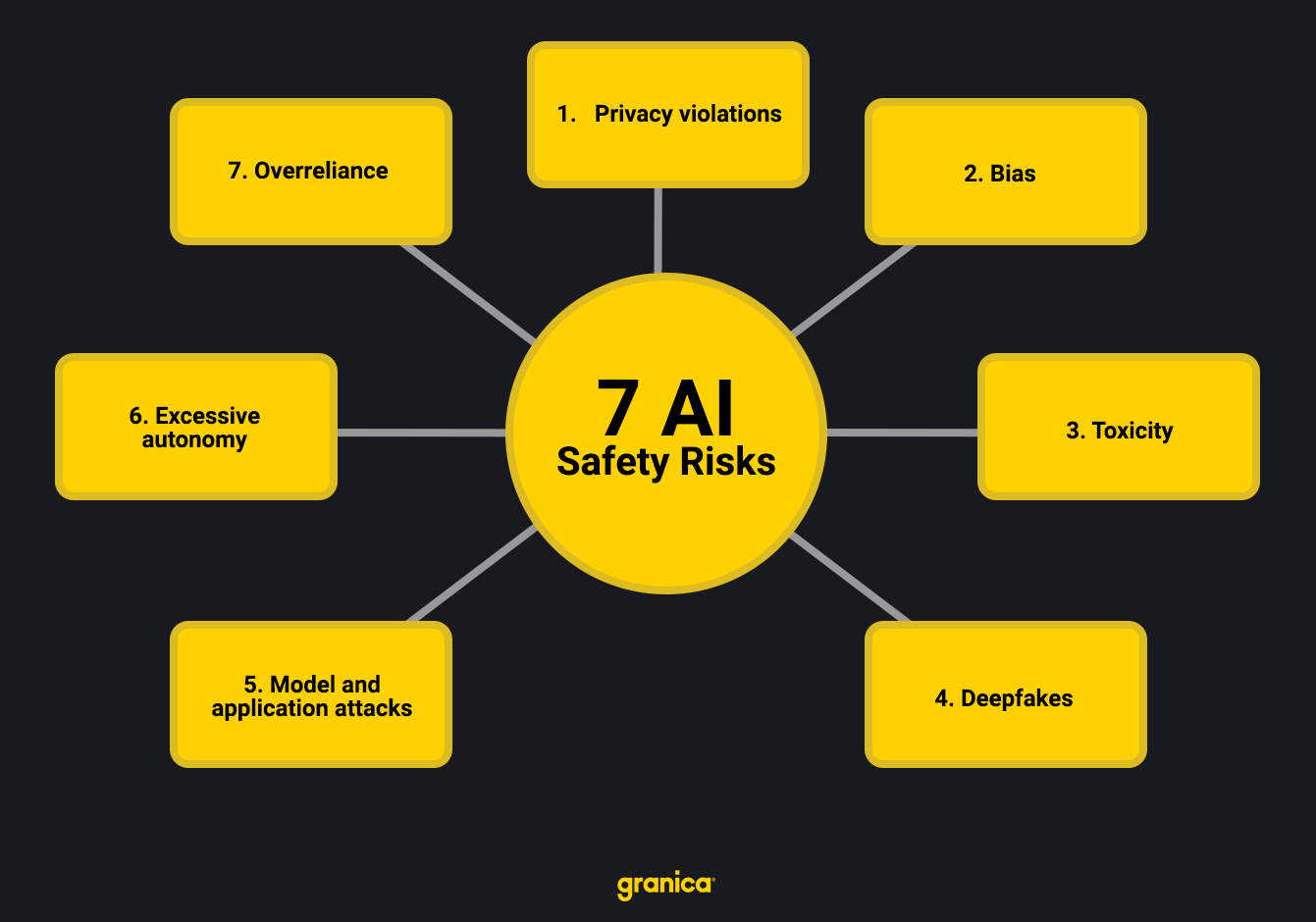
Security researchers detected a 340% increase in AI-generated phishing attacks over the past 12 months, marking a fundamental shift in the cybersecurity threat environment. Attackers now use large language models to craft personalized phishing emails, generate convincing deepfake audio for social engineering, and automate vulnerability scanning at speeds no human team matches. Three major data breaches in the first quarter of 2026 traced back to AI-assisted attack methods. If you manage IT systems, handle sensitive data, or simply use email daily, these developments affect your personal and organizational security directly. Here is how AI-powered attacks work, what the new threat data shows, and what you need to do to protect yourself and your organization.
The New Threat Landscape
- AI-generated phishing emails bypassed traditional email filters at a 68% success rate, compared to 12% for manually written phishing messages.
- Deepfake voice attacks were used in 14 confirmed corporate fraud cases in Q1 2026, up from 2 cases in all of 2024.
- Automated vulnerability scanning powered by AI models probed an average Fortune 500 company’s external attack surface 4,300 times per day.
- Three major data breaches in Q1 2026 exposed a combined 28 million records across financial services, healthcare, and retail.
- Ransomware groups using AI-assisted code generation cut their malware development cycle from weeks to hours.
How AI-Powered Phishing Works
Traditional phishing relies on mass-produced emails with generic language and obvious grammatical errors. AI-generated phishing operates differently. Attackers feed large language models with publicly available information about a target: LinkedIn profiles, corporate press releases, social media posts, and industry jargon. The model generates emails with the correct tone, vocabulary, and organizational context to appear legitimate.
A financial services firm in New York discovered 12 AI-generated phishing emails sent to its accounting department over two weeks. Each email referenced specific internal projects, used correct employee names, and mimicked the writing style of the company’s CFO. The emails requested wire transfers totaling $3.2 million. Staff flagged the requests because the amounts exceeded single-authorization limits, not because the emails appeared suspicious. Without the policy safeguard, the attacks would have succeeded.
Why Email Filters Fail Against AI Phishing
Email security systems use pattern matching, domain verification, and content analysis to identify phishing. AI-generated emails defeat pattern matching because each email is unique, with no repeated templates across attacks. Attackers send emails from compromised legitimate accounts, passing domain verification checks. The content reads naturally because a language model wrote the text with correct grammar, relevant context, and professional tone. Security vendors are now developing AI-based detection systems to counter AI-based attacks, creating what researchers describe as an arms race between offensive and defensive AI.
Deepfake Voice Attacks Target Executives
Deepfake audio technology reached a quality level in 2025 where a three-second voice sample generates convincing speech in any language. Attackers use this technology for voice-based social engineering, calling employees and impersonating executives to authorize emergency payments or reveal sensitive credentials.
In the most publicized case this quarter, attackers used deepfake audio of a European bank CEO’s voice to authorize a $4.7 million transfer to an account in Singapore. The call lasted 4 minutes. The employee receiving the call described the voice as “identical” to the CEO’s and followed the instructions because the request came through the CEO’s verified phone number, which was spoofed. The bank recovered $1.2 million of the transfer through rapid response with correspondent banks.
Defense Against Voice Attacks
Organizations need multi-factor verification for any voice-authorized financial transaction or sensitive action. A callback protocol using a pre-established secondary phone number is the simplest effective defense. Code words known only to authorized personnel add another layer. Companies should also establish clear policies banning voice-only authorization for any transaction above a defined threshold, requiring written confirmation through a verified secure channel.
“The threat model has changed. Every employee is now a target for personalized attacks generated by AI tools available for under $100. Organizations need to assume their existing defenses will fail against these attacks and build verification layers accordingly.” , Maria Chen, Chief Information Security Officer, Palo Alto Networks
Automated Vulnerability Scanning at Scale
AI models automate not only the creation of attack content but also the reconnaissance phase. Security firms report a threefold increase in automated scanning activity targeting corporate networks. AI-powered scanning tools map a company’s entire external attack surface, identify running software versions, and match discovered services against vulnerability databases in minutes. What took a human penetration tester days to accomplish now runs automatically and continuously.
The scans are also smarter. Traditional automated scanners follow fixed rulesets. AI-powered scanners adapt their approach based on responses from the target, testing alternative attack paths when initial attempts fail. They chain together multiple low-severity vulnerabilities to identify compound attack paths a static scanner would miss.
Ransomware Development Accelerates
Ransomware groups now use AI code generation tools to write custom malware variants faster than security vendors update detection signatures. A single ransomware group was observed deploying 14 unique malware variants in Q1 2026, each compiled with different evasion techniques. Previous versions of the same malware family appeared in two or three variants per year. The speed of iteration overwhelms traditional signature-based antivirus products and requires behavioral detection methods operating at the endpoint level.
The Three Major Q1 Breaches
A regional healthcare network lost 8.2 million patient records after attackers used AI-generated spear-phishing to compromise an administrator’s credentials. The attack progressed from initial access to data exfiltration in 47 hours. A financial services company lost 12 million customer records through a compound vulnerability chain identified by AI-powered scanning. A national retail chain lost 7.8 million payment card records after ransomware deployed through AI-crafted phishing disabled point-of-sale systems across 340 stores.
In all three cases, the initial compromise relied on AI-assisted methods. The speed of attack progression, the quality of social engineering, and the sophistication of lateral movement exceeded what incident response teams had prepared for based on historical attack patterns.
What You Should Do Right Now
Individual users and organizations both need to update their security posture for the AI-augmented threat environment. Here are specific steps you should take immediately:
- Enable multi-factor authentication on every account, prioritizing hardware security keys over SMS-based codes.
- Implement callback verification for any financial transaction requested by phone or email, regardless of apparent legitimacy.
- Update security awareness training to include AI-generated phishing examples and deepfake audio demonstrations.
- Deploy endpoint detection and response (EDR) tools with behavioral analysis rather than relying on signature-based antivirus alone.
- Segment network access so a single compromised account does not grant lateral access to sensitive systems.
- Review insurance coverage to confirm your cyber liability policy covers AI-assisted attack scenarios.
The Road Ahead for Cybersecurity
The cybersecurity industry is investing heavily in AI-powered defense tools. Automated threat detection, AI-assisted incident response, and behavioral analytics are the fastest-growing segments of the security market. Global cybersecurity spending is projected to reach $215 billion in 2026, up 14% from 2025. The challenge is a talent gap: 3.5 million cybersecurity positions remain unfilled worldwide, and AI tools are expected to fill some of the gap by automating routine monitoring and analysis tasks.
For your organization, the takeaway is direct. The attacks are getting faster, more personalized, and harder to detect. Your defenses must match the pace. Invest in AI-aware security tools, train your people on the new attack patterns, and build verification processes assuming any communication channel is compromised. The organizations surviving this new threat environment are those acting on these changes now, not those waiting for the next breach to motivate action.
The information provided in this article is for general informational purposes only. While we strive for accuracy, we make no guarantees about the completeness or reliability of the content. Always verify important information through official or multiple sources before making decisions.