Dembélé Ignites France’s World Cup Charge
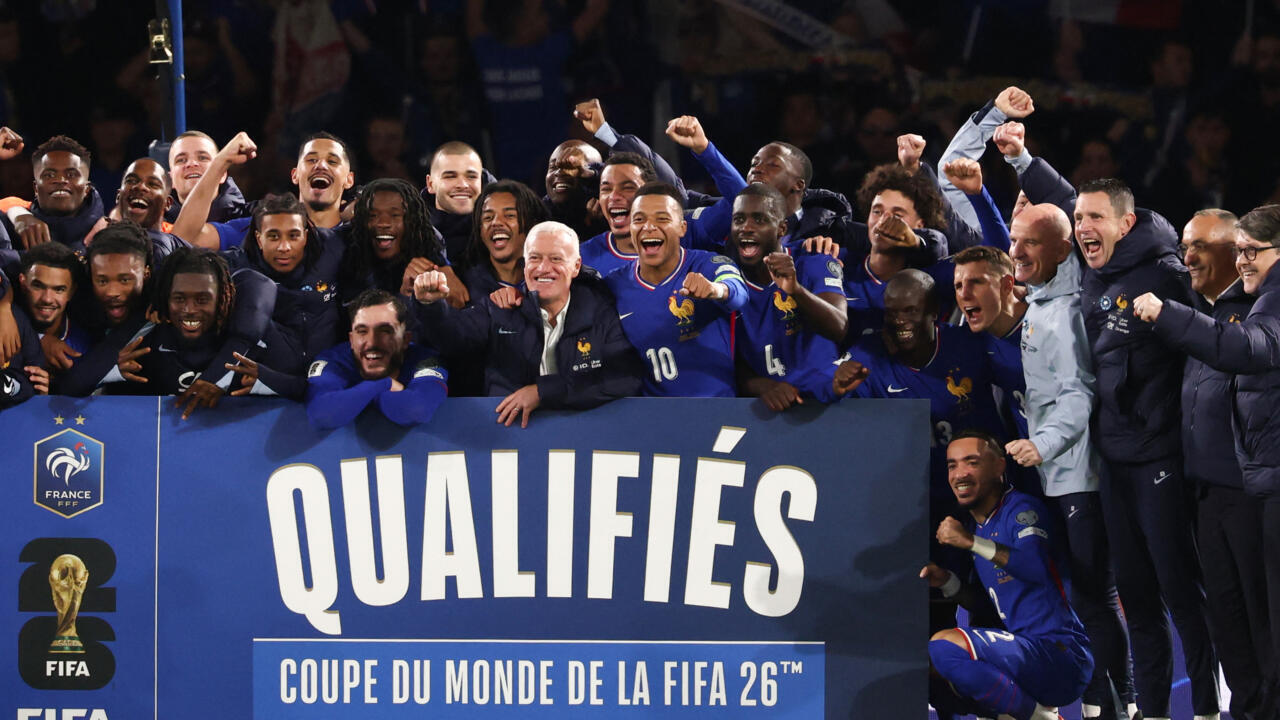
Dembélé Ignites France’s World Cup Charge
France did not just beat Norway 4-1. It sent a message. When Ousmane Dembélé turns space into panic and half-chances into a hat trick, the conversation around the World Cup 2026 shifts fast. This is no longer only about pedigree or squad value. It is about which team can break a game open before the opponent has time to settle, and France looked brutally efficient in doing exactly that. For everyone watching for cracks in the favorites, this was the opposite: a reminder that elite depth, pace, and decision-making still decide tournaments. Norway had moments, but France had the sharper edge, the cleaner patterns, and the star capable of turning control into goals.
- Ousmane Dembélé’s hat trick made France look every bit like a title threat.
- France’s speed in transition overwhelmed Norway’s defensive structure.
- The result underlined how deep, flexible squads win in knockout-style tournaments.
- France’s attack is starting to look less theoretical and more inevitable.
France’s World Cup 2026 Statement Win
There is winning, and then there is winning in a way that changes how everyone else prepares for you. France’s 4-1 victory over Norway belonged firmly in the second category. The scoreline was emphatic, but the underlying story is even more interesting: France controlled the rhythms, punished mistakes instantly, and showed that they can thrive when the game becomes chaotic. That matters in a tournament where margins are thin and opponents rarely give you time to breathe.
At the center of it all was Dembélé, who did what elite forwards do when they are confident: he attacked defenders without hesitation and made the decisive touch look routine. His hat trick was not just a personal milestone. It was a demonstration of how France can weaponize pace and unpredictability against teams that prefer structure. Against Norway, the structure cracked.
Why Dembélé Changes the Math
For years, Dembélé has been described with a mix of awe and frustration. The talent has always been obvious. The consistency has been the debate. This performance pushed the scale in the direction France has been hoping for. A hat trick in a World Cup setting is not a footnote. It is a proof point.
What makes Dembélé so dangerous is not simply speed. Plenty of players are fast. His real advantage is the combination of timing, balance, and ambidexterity that forces defenders to guess early. Once they guess wrong, he does not need many extra touches to finish the job. That creates a cascading effect for France: midfielders can play earlier, fullbacks can push higher, and the entire attack gets more room to breathe.
Dembélé’s value is not just that he scores. It is that he changes how defenders stand, step, and hesitate before the ball even reaches him.
How France Broke Norway Apart
France’s best teams have always been built on something more than talent collection. The great versions are balanced, brutal in transition, and impossible to pin down for 90 minutes. This match felt like a return to that template. Norway were not steamrolled by random shots from distance. They were dismantled by timing, movement, and relentless exploitation of small defensive errors.
Transition speed did the damage
Once France regained possession, they moved vertically with purpose. That is often the hidden separator in major tournaments. Teams that hesitate after winning the ball invite pressure. France did the opposite. They attacked space before Norway could reset, and Dembélé benefited most from those broken sequences.
Wide overloads created clean angles
France also used width intelligently. By stretching Norway horizontally, they opened seams between the back line and midfield. That gave attackers room to run behind and gave the ball carrier clearer passing lanes. It is a simple principle, but when executed well it becomes devastating. Norway were forced into a reactive posture, and reactive teams usually end up conceding chances in bunches.
Finishing matched the tempo
The most encouraging part for France was not just the volume of chances. It was the efficiency. Tournament favorites do not need 20 openings if they can convert the right five. Dembélé’s hat trick showed a team that understood the urgency of the moment and did not waste it.
The Tactical Lesson from France’s World Cup 2026 Attack
If you want the deeper takeaway from this result, it is that France can now hurt opponents in more than one way. That is what separates a dangerous team from a true contender. Some squads need prolonged possession to become threatening. Others rely on one creator. France’s attack looked more layered than that.
There were signs of a team comfortable playing through pressure, but also content to strike quickly when the opening appeared. That flexibility is gold in a tournament setting. Against a compact defense, patience matters. Against a stretched defense, speed matters more. France appear capable of both, and that makes opponent scouting a lot more complicated.
It also puts pressure on future opponents to choose their poison. Sit too deep, and France can work the edges until a gap opens. Press too high, and they can explode into space behind you. That is the kind of tactical dilemma coaches hate and broadcasters love.
What Norway Learned the Hard Way
Norway were not irrelevant here. They exposed the one thing every ambitious side must solve: how to survive when your defensive line is forced to defend space instead of just bodies. For long stretches, they looked a step behind the game. That is often what happens against elite attacks. The issue is not just one mistake. It is that every mistake arrives with consequences.
The harsh lesson is that structure alone is not enough if your transitions are slow and your recovery runs are late. Against France, Norway needed cleaner ball retention, quicker counterpressure, and more compact spacing between the lines. Without that, every turnover becomes a potential breakaway, and every breakaway becomes a crisis.
Why This Matters for the Tournament
One match does not win a World Cup. It can, however, redraw expectations. France now look like a side that can win ugly if needed but also win with force when the moment opens up. That combination is exactly what champions usually have. The best teams do not look the same every night. They look adaptable, and they punish the opponent’s weakest phase.
For the rest of the field, the warning is obvious. If France are clicking at the right time, they do not need to dominate possession to dominate the result. That is a terrifying proposition in knockout football, where one player in form can decide a whole branch of the bracket.
Championship teams do not simply create chances. They create inevitability. France looked closer to that level against Norway.
What to Watch Next for France
The obvious question is whether this performance is a peak or a preview. Elite tournaments are full of brilliant one-night displays that do not hold. But France’s edge here was not built on randomness. It was built on repeatable traits: pace, technical quality, and the ability to capitalize on chaos. That is why this result feels meaningful.
- Dembélé’s role: Can he sustain this level and remain the central outlet in big matches?
- Midfield control: Can France keep dictating tempo when opponents deny open space?
- Defensive balance: Can the back line stay sharp if the attack becomes more aggressive?
- Squad depth: Will France’s bench continue to provide the same intensity?
The Bigger Picture Beyond One Scoreline
France have long been measured by talent. That is too easy. The real test is coherence. A talented team is dangerous. A coherent talented team is championship material. This match suggested France may be moving into that second category at just the right time.
Dembélé’s hat trick will grab the headlines, and it should. But the larger story is what it revealed about France’s attacking identity. They are not merely waiting for brilliance. They are creating the conditions for it. That is a meaningful distinction, especially in a tournament where the best teams are often the ones that make excellence look repeatable.
If this is the version of France that shows up consistently, everyone else has a problem. Not because they cannot be beaten, but because they have too many ways to beat you first.
The information provided in this article is for general informational purposes only. While we strive for accuracy, we make no guarantees about the completeness or reliability of the content. Always verify important information through official or multiple sources before making decisions.


