Democrats Escalate ICE Detention Fight
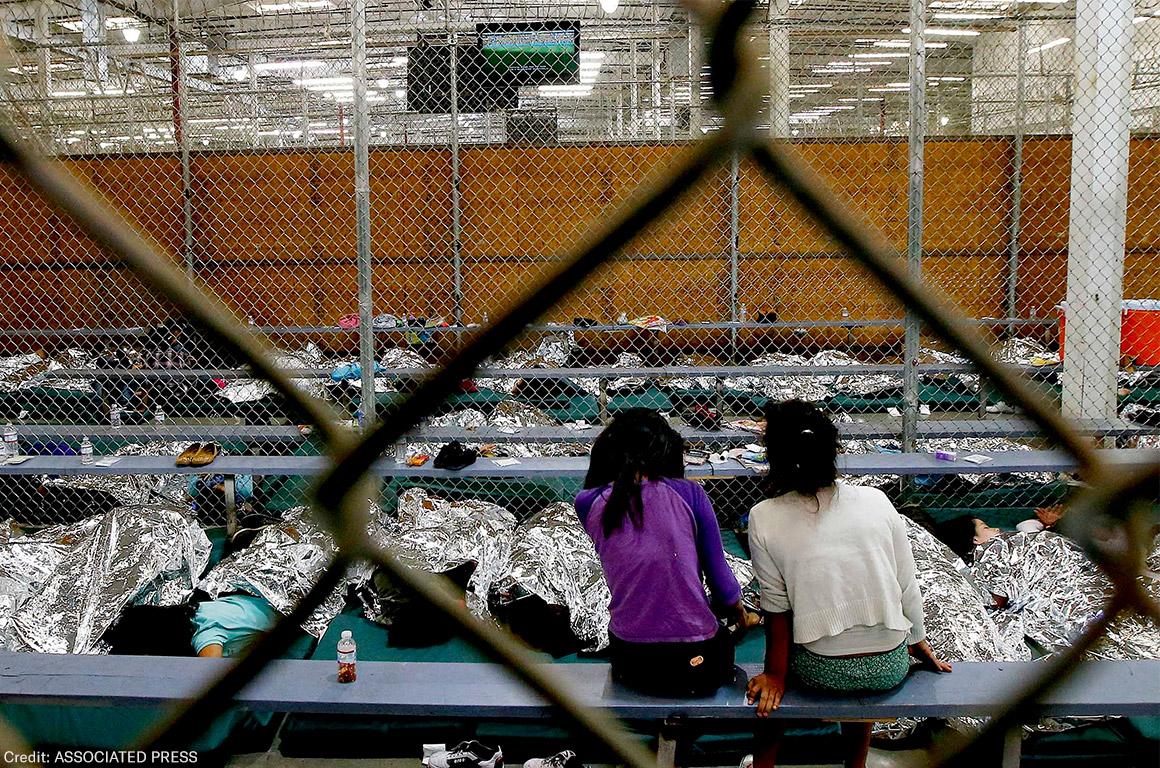
The fight over ICE detention is no longer a background policy dispute. It is becoming a front-line political test of how aggressively Democrats are willing to challenge immigration enforcement and how effectively Republicans can frame that challenge as weakness on border security. What makes this moment volatile is not just the substance of detention policy, but the optics: lawmakers confronting federal agencies, activists pushing for accountability, and a wider public trying to decode whether this is oversight, theater, or the start of a bigger ideological break. For voters, advocates, and local officials, the stakes are immediate. Detention policy shapes family separation, due process, local budgets, and federal power. For Washington, it is also a proxy war over who controls the immigration narrative heading into the next phase of national politics.
- ICE detention has become a high-visibility flashpoint for Democratic lawmakers and immigration advocates.
- The conflict is as much about political messaging and federal oversight as it is about detention conditions.
- Democrats face pressure from both the party base and moderates worried about border politics.
- The outcome could reshape how immigration enforcement is debated, funded, and monitored.
Why the ICE detention battle is getting sharper
Immigration has always been one of the most emotionally charged areas of American governance, but detention sits at a particularly combustible intersection of law, morality, and bureaucratic power. Federal authorities argue detention is an operational tool used to process cases, manage custody, and enforce removal orders. Critics see a system that too often operates with insufficient transparency, weak humanitarian safeguards, and political insulation.
That tension is now spilling into the open. Democratic lawmakers are increasingly treating ICE facilities not as a niche policy concern but as symbols of a broader enforcement state that deserves aggressive scrutiny. This shift matters because it moves the issue from procedural debate into a moral and strategic confrontation. Once lawmakers make detention conditions a public spectacle, they raise the political cost of defending the system as routine.
Key insight: The real fight is not only over what happens inside detention centers. It is over whether detention itself remains accepted as a standard instrument of immigration policy.
That distinction explains why this issue keeps resurfacing. A dispute over one facility can quickly become a referendum on the entire architecture of immigration enforcement.
What Democrats are trying to do
At the highest level, Democrats pushing on ICE detention are pursuing three overlapping goals: oversight, deterrence, and narrative control.
Oversight with political visibility
First, there is the formal function of oversight. Lawmakers want access, answers, records, and public accountability. That can include questions about detainee treatment, medical care, legal access, facility conditions, private contractors, and compliance with agency rules. Oversight is a core legislative responsibility, but in the immigration context it carries extra symbolic weight because enforcement agencies have long operated with broad discretion and limited public understanding.
When lawmakers visibly challenge detention practices, they signal to both voters and bureaucrats that immigration enforcement is not beyond democratic review. That matters even if no immediate policy change follows.
Deterrence through scrutiny
Second, scrutiny itself can change institutional behavior. Agencies may become more cautious when they expect public confrontation, document requests, hearings, or viral moments. Private contractors tied to detention operations may also react differently when reputational risk rises.
This is a classic Washington dynamic: pressure does not always arrive through legislation. Sometimes it arrives through repeated exposure.
Reclaiming the immigration narrative
Third, Democrats are trying to avoid ceding the immigration debate entirely to slogans about crackdowns and border control. By centering detention, they shift attention toward due process, family impact, accountability, and state power. The aim is to make immigration enforcement look less like neutral administration and more like a set of contested political choices.
That is a difficult balancing act. If Democrats lean too heavily into activist rhetoric, they risk alienating persuadable voters who want border order. If they stay too cautious, they anger a base that sees detention as one of the clearest examples of government overreach.
The strategic risk for Democrats
This is where the politics become unforgiving. Immigration is one of the few issues where visual symbolism can outweigh policy nuance. Images of lawmakers confronting agencies may energize progressives, but they can also be weaponized by opponents who argue Democrats care more about detainees than enforcement.
That is the trap. Republicans generally benefit when the immigration conversation centers on control, security, and disorder. Democrats do better when the focus shifts to competence, legality, and humane treatment. The battle over ICE detention is essentially a collision between those frames.
Why this matters: Democrats are not just contesting a policy. They are testing whether a rights-based immigration message can survive in a security-dominated media environment.
There is also an internal party challenge. Progressive lawmakers often push for more confrontational tactics and broader critiques of enforcement systems, while moderates may prefer targeted reforms around standards, inspections, and due process. That split is not necessarily fatal, but it complicates messaging. Voters can usually sense when a party has not decided whether it wants reform, reduction, or wholesale rethinking.
What ICE detention reveals about federal power
One reason detention remains such a potent issue is that it exposes the mechanics of state authority in unusually concrete ways. Unlike abstract debates over visa policy or asylum backlogs, detention involves buildings, bodies, timelines, and custody decisions. It turns immigration from a distant policy field into something tangible and immediate.
The infrastructure problem
Detention is not just an agency practice. It is an infrastructure network involving federal management, contracted operators, transport logistics, local cooperation, court scheduling, and compliance systems. Once that system expands, it develops institutional momentum. Budgets, staffing models, vendor relationships, and political expectations begin to reinforce the status quo.
That is why detention reform is hard. You are not adjusting a single rule. You are pushing against an ecosystem.
The transparency gap
Another persistent issue is visibility. Many Americans know ICE as a political acronym, not as an operational bureaucracy with facilities, standards, procurement processes, complaint channels, and oversight mechanisms. That knowledge gap gives agencies room to define events on their own terms unless lawmakers, journalists, and advocates force greater disclosure.
For Democrats, that means public oversight is not optional. If the system remains opaque, the politics revert to default assumptions about enforcement necessity.
How this could change immigration politics next
The immediate fight may center on specific facilities or incidents, but the downstream implications are much larger.
1. More aggressive congressional oversight
Expect more demands for records, more site visits, and more attempts to build a public paper trail around detention practices. Even if sweeping legislative reform stalls, oversight can still shape agency behavior and feed future campaign messaging.
2. Pressure on detention contractors
Private entities connected to detention operations may face stronger reputational and political pressure. In highly contested policy areas, contractors often become soft targets because they are easier to isolate than a federal agency itself.
3. A broader argument over alternatives
If lawmakers keep highlighting ICE detention, they will also need to explain credible alternatives. That could mean supervised release programs, case management systems, electronic monitoring, or faster adjudication pathways. Critics of detention cannot win the argument on outrage alone. They need an operational replacement that voters believe can work.
Pro Tip: The most effective reform arguments usually combine moral urgency with administrative realism. Voters may sympathize with humanitarian concerns, but they want to know what replaces the current process and how it will be enforced.
The public communication challenge
One of the biggest reasons immigration debates become so distorted is that each side speaks in different units. Enforcement advocates talk about volumes, crossings, removals, and deterrence. Reform advocates talk about rights, conditions, and harm. Both are describing real things, but they are not answering the same question.
For Democrats, success depends on fusing those languages instead of choosing one. A politically durable message on ICE detention would need to sound something like this:
- Yes, the government has an obligation to manage immigration law.
- Yes, detention requires strict accountability because custody is one of the state’s most coercive powers.
- Yes, humane alternatives and legal safeguards can coexist with enforcement.
That framework is harder to chant than a simple crackdown message, but it is more durable if communicated well. The challenge is that modern political media rewards clarity, conflict, and emotional shorthand.
Why this ICE detention moment matters beyond immigration
There is a tendency to treat detention fights as siloed immigration stories. That misses the broader significance. Battles over detention are also battles over executive discretion, civil liberties, contractor accountability, and the practical meaning of oversight in a polarized democracy.
When lawmakers confront detention systems, they are effectively asking a larger question: how much coercive power should administrative agencies exercise with limited public scrutiny? That question reaches far beyond border politics. It touches surveillance, policing, incarceration, and emergency governance.
The broader read: The politics of detention are a preview of how America argues about state power when legality, security, and human rights collide.
This is why the story resonates even with people who are not closely tracking immigration law. It sits inside a deeper national dispute over what accountability should look like when government power is both necessary and potentially abusive.
What to watch next in the ICE detention debate
If this conflict intensifies, several signals will matter more than rhetoric alone.
- Whether Democratic leaders unify around narrow reforms or broader structural criticism.
- Whether Republicans successfully nationalize isolated detention controversies into a wider border-security attack.
- Whether oversight efforts produce documents, testimony, or imagery that shifts public opinion.
- Whether the administration responds with procedural changes, defensive messaging, or a harder enforcement posture.
Those indicators will reveal whether this is a temporary flashpoint or the start of a more durable reordering of immigration politics.
For now, the key point is simple: ICE detention has become a proving ground. For Democrats, it is a test of whether they can challenge enforcement systems without losing the broader public on security. For the federal government, it is a test of how much opacity and discretion the public will tolerate. And for the country, it is a reminder that immigration policy is never just about the border. It is also about what kind of state power Americans are willing to accept once people are placed behind locked doors.
The information provided in this article is for general informational purposes only. While we strive for accuracy, we make no guarantees about the completeness or reliability of the content. Always verify important information through official or multiple sources before making decisions.