Detroit Dance Floors Demand a Reboot
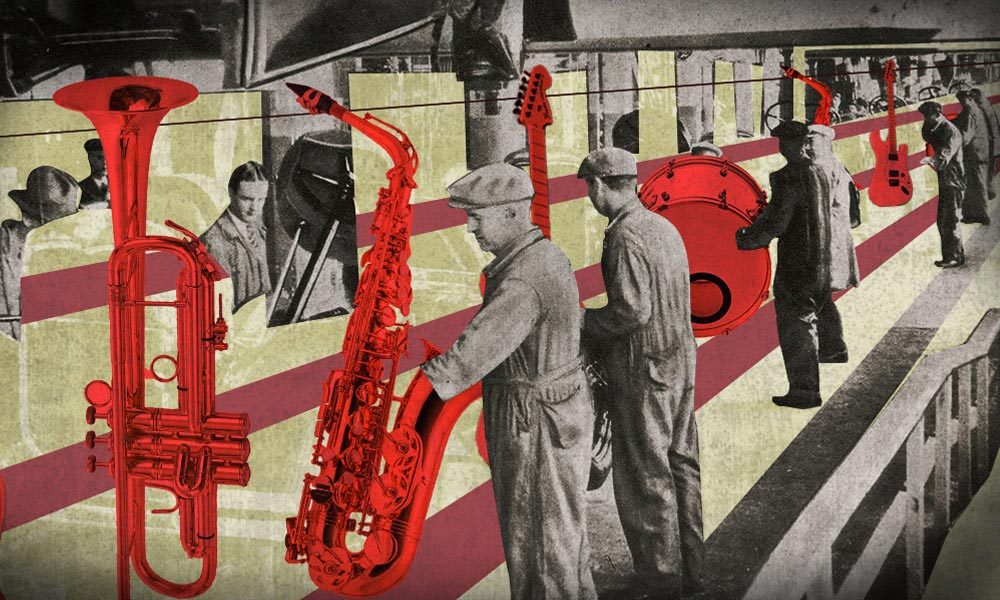
Detroit Dance Floors Demand a Reboot
Detroit has always known how to turn noise into culture, but the city’s dance floors now face a harder test: staying relevant without becoming generic. The problem is not just taste. It is attention, economics, and the growing pressure on nightlife to compete with algorithms, streaming, and a city that keeps changing around it. If you care about Detroit music scene, this is not a nostalgia exercise. It is a warning flare. The next era of club culture will belong to the places and people who can still make a room feel collective, risky, and alive. That is harder than it sounds, and much more valuable than it gets credit for.
- Detroit’s dance culture is being squeezed by economics, shifting audiences, and digital habits.
- DJs and clubs now need more than great records – they need a clear point of view.
- The city’s legacy is a strength, but nostalgia alone will not keep rooms full.
- The future of nightlife depends on curation, community, and flexibility.
- What happens in Detroit matters far beyond Detroit because club culture is a blueprint industry.
Why the Detroit music scene still matters
Detroit is one of the few American cities where the dance floor is not just entertainment. It is infrastructure. It is where identity gets tested, where experimentation becomes mainstream, and where local scenes prove they can produce more than memories. House, techno, soul, funk, and experimental club sounds all carry Detroit DNA, whether they are performed in a packed basement, a warehouse, or a polished venue with a tighter guest list and a bigger cover charge.
That legacy gives the city enormous leverage, but it also creates a trap. When a place is known for inventing something, the market starts to expect repetition instead of evolution. The result is predictable: nights that feel like museum pieces, crowds that show up for branding more than discovery, and DJs asked to reenact a golden age instead of push the room somewhere new.
Detroit does not need another tribute act. It needs spaces that trust the crowd enough to challenge it.
The real pressure on the dance floor
The modern club scene is being hit from three directions at once: rising costs, fragmented audiences, and the attention economy. Rent is up, insurance is up, staffing is harder, and the margins for nightlife are brutally thin. At the same time, younger listeners often discover music through short-form clips, not full-length sets. They may know a track, a meme, or a producer tag, but not necessarily how those pieces fit into a physical room.
That matters because a dance floor is a shared experience, not a playlist. A great DJ set depends on sequencing, tension, risk, and reading the room in real time. The club is a feedback loop. Streaming is not. When that loop weakens, the whole ecosystem starts to flatten.
What clubs are competing against now
Nightlife no longer competes only with other venues. It competes with staying home, with hybrid social lives, and with a generation that is often more selective about where it spends money and energy. A night out has to justify itself fast. If the room feels formulaic, people leave early, or never come in the first place.
For Detroit, that creates a strategic problem. The city’s dance culture cannot survive on reputation alone. It needs programming that feels intentional, not merely heritage-driven. That means booking across styles without losing identity, supporting local talent without isolating the scene, and building events that feel worth the effort in a city where effort matters.
The DJ is no longer just the selector
Today’s DJ is part curator, part host, part strategist. The best ones do not just pick tracks. They manage energy, narrative, and social trust. In a city like Detroit, that role gets even bigger because the audience expects authenticity. If you want to move a room here, you have to show your work. Empty hype does not last long.
That is why the best nights still feel handcrafted. You can hear when a DJ understands the city’s musical language: the push and pull of percussion, the patience before the drop, the willingness to let a groove breathe. In the best-case scenario, the set becomes a conversation between the room and the booth.
In club culture, taste is not enough. Timing is product-market fit.
Pro tip for promoters and venue owners
If you want to build a durable night, stop thinking only about headliners. Build around consistency, surprise, and repeat attendance. A strong event series usually needs three things:
- A recognizable identity so people know what kind of night they are buying into.
- Room to experiment so the event does not become stale after three editions.
- A local pipeline so new DJs and producers can grow into the ecosystem.
That model is less glamorous than a one-off flyer with a famous name, but it is how scenes compound over time. The real asset is not a single packed night. It is a calendar people trust.
What the Detroit music scene can teach other cities
Detroit’s lesson is bigger than its borders. Cities everywhere are trying to preserve nightlife while also making it financially viable, culturally relevant, and socially inclusive. The formula is not simple, but Detroit offers a useful blueprint: anchor the scene in local identity, keep the booking adventurous, and treat the dance floor as a public good rather than a disposable commodity.
That last part is crucial. When clubs are treated only as revenue engines, they often become interchangeable. When they are treated as cultural engines, they create loyalty that money cannot easily buy. People return not just for a DJ, but for the feeling that something is happening there that could not happen anywhere else.
Where things could go next
The future of the dance floor will likely be hybrid, but not in the corporate sense. Expect more events that combine live performance, DJ culture, and visual design. Expect more emphasis on micro-scenes rather than giant monocultures. Expect curators to become even more important as audiences seek trusted filters in an oversaturated market.
For Detroit specifically, that means the city can either lean into its legacy as a living laboratory or let that legacy calcify into branding. The difference will come down to whether venues, promoters, and artists keep taking creative risks. The cities that win the next decade of nightlife will be the ones that understand this simple truth: people do not just want music. They want reasons to gather.
Why this matters now
The dance floor is one of the last places where a community can form in real time without an app deciding who sees it first. That makes it culturally important and commercially fragile. If Detroit loses that edge, the loss will not just be local. It will be another sign that American nightlife is drifting toward safer, more standardized, and less meaningful experiences.
But if Detroit gets this right, it can do what it has always done best: set a standard that other cities copy later. The opportunity is not to preserve the past exactly as it was. It is to protect the conditions that made the past matter in the first place: experimentation, inclusivity, and enough confidence to let the room surprise everyone, including the people behind the decks.
That is the real story here. The dance floor is not dying. It is being renegotiated. And Detroit still has a say in what comes next.
The information provided in this article is for general informational purposes only. While we strive for accuracy, we make no guarantees about the completeness or reliability of the content. Always verify important information through official or multiple sources before making decisions.