Digital ID Push Sparks Privacy Fight
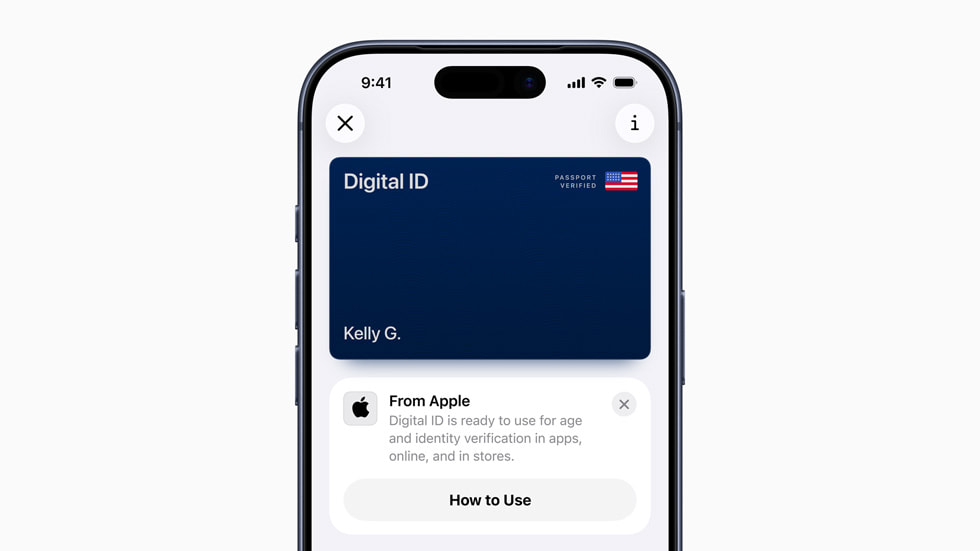
Digital ID Push Sparks Privacy Fight
A new digital ID system can sound like the most boring reform in government: fewer forms, faster checks, less paperwork. But the stakes are much bigger than convenience. When the state asks citizens to prove who they are through a centralized or government-backed digital credential, it is not just modernizing bureaucracy. It is redesigning the relationship between people, public services, employers, banks, police, and the private platforms that increasingly mediate everyday life.
That is why this debate is so explosive. Supporters see a long-overdue upgrade to clunky identity checks. Critics see a potential surveillance layer that could be expanded, repurposed, or breached. The core question is not whether identity verification should improve. It is whether a digital ID can be built with enough limits, transparency, and accountability to earn public trust.
- Digital ID promises speed: faster access to public services, work checks, banking, and age verification.
- The privacy risk is real: any identity system can become a target for hackers or mission creep.
- Trust depends on design: voluntary use, data minimization, and independent oversight are critical.
- The politics are bigger than tech: this is about power, consent, and how much identity infrastructure society should centralize.
Why Digital ID Is Back on the Agenda
Governments are under pressure to make public services work more like consumer apps. People can open a bank account, book a flight, and unlock a phone in seconds, yet many public systems still rely on scanned documents, physical letters, passwords, and repeated identity checks. A digital ID is pitched as the fix: one trusted way to prove who you are online or in person.
The appeal is obvious. If designed well, a digital credential could reduce fraud, cut administrative delays, and make services easier to access. It could help people prove their right to work, rent, receive benefits, pay taxes, or access healthcare without repeatedly sharing sensitive documents.
Businesses also want clarity. Employers, landlords, financial firms, and online platforms all face identity verification duties. A reliable identity framework could reduce compliance friction and prevent fake documents from slipping through the system.
Key insight: The most powerful argument for digital ID is not novelty. It is the claim that identity checks already happen everywhere, but in fragmented, insecure, and inconvenient ways.
Digital ID Benefits Are Real But Not Automatic
The strongest case for digital ID rests on three practical outcomes: convenience, fraud reduction, and inclusion. Each is plausible. None is guaranteed.
Faster services with fewer repeated checks
A citizen might use a digital credential to confirm their age, address, immigration status, tax record, or eligibility for a service. In theory, they would not need to upload a passport scan or utility bill every time. Instead, the system could confirm only the required attribute, such as over 18 or eligible to work.
That matters because identity friction is not just annoying. It can block access. People without easy access to printers, scanners, physical documents, or stable addresses are often punished by old processes.
Fraud prevention and public trust
Governments lose large sums to fraud, and weak identity systems are part of the problem. A stronger verification layer could help prevent duplicate claims, synthetic identities, and forged documents. For taxpayers, that is a compelling pitch.
But fraud prevention must be balanced against proportionality. A system built to stop bad actors should not create a permanent suspicion machine for everyone else.
Inclusion must be designed from day one
The word digital is doing a lot of work here. Millions of people may struggle with smartphones, connectivity, accessibility needs, language barriers, or trust in government systems. If a digital ID becomes the default gateway to essential services, offline alternatives cannot be an afterthought.
Pro Tip: The best identity systems preserve multiple routes. A secure app may work for many people, but paper, in-person, assisted, and non-smartphone options are essential for resilience and fairness.
The Privacy Problem With Digital ID
The biggest fear is not that a digital ID lets you log in faster. It is that the same infrastructure could enable tracking, profiling, or exclusion. Identity systems create power because they determine who can prove what, to whom, and under what conditions.
The nightmare version is a universal credential that links activity across government departments, private companies, transport systems, financial services, and online platforms. Even if that is not the initial plan, critics worry about mission creep. Systems built for one purpose often expand when new political, security, or commercial incentives appear.
Centralized data becomes a high-value target
Any identity database is a magnet for attackers. Names, dates of birth, addresses, biometric records, document numbers, and authentication histories can be extremely valuable. A breach of an identity system is not like a leaked password. You can change a password. You cannot easily change your face, birth date, or long-term identity trail.
That is why architecture matters. A privacy-preserving digital ID should avoid unnecessary central storage, limit data sharing, and use cryptographic methods where possible. The goal should be to prove facts without exposing full records.
Mission creep is the political risk
Even a well-built system can change over time. A voluntary tool can become functionally mandatory if employers, banks, landlords, or platforms start requiring it. A limited credential can grow into a broader identity requirement. A fraud prevention tool can become a policing tool.
Editorial view: The public should judge digital ID less by the launch promise and more by the legal guardrails that prevent future expansion without democratic scrutiny.
Digital ID Needs Trust More Than Hype
Technology can make an identity system more secure, but it cannot solve the legitimacy problem by itself. Trust comes from constraints. People need to know what data is collected, where it is stored, who can access it, how long it is kept, and how abuse is punished.
A credible digital ID framework should include:
- Voluntary adoption: people should not lose access to essential services for refusing a digital route.
- Data minimization: only the least amount of information required should be shared.
- Purpose limitation: data collected for one use should not be repurposed without clear legal authority.
- Independent oversight: regulators and auditors must be able to inspect systems and investigate abuse.
- Redress mechanisms: users need a fast way to challenge errors, lockouts, or misuse.
Without these protections, the convenience pitch collapses. People will not embrace identity infrastructure that feels like a one-way transfer of power to the state or large institutions.
What Businesses Should Watch
For companies, digital ID could reshape compliance, onboarding, fraud prevention, and customer experience. Banks, insurers, recruiters, landlords, gig platforms, and age-restricted services would all have reasons to integrate a trusted credential.
That could reduce costs, but it also creates dependency. If a company builds key workflows around one government-backed identity layer, outages, policy changes, and eligibility errors become business risks. Firms will need fallback processes and clear accountability when verification fails.
Age checks could become a testing ground
Online safety rules and age verification demands are pushing platforms toward stronger identity checks. Digital ID could offer a cleaner solution than uploading documents to random websites. A privacy-focused credential could confirm over 18 without revealing a name or birth date.
But if age verification becomes the path that normalizes broader identity checks across the internet, the public will want assurances that anonymous or pseudonymous online activity is not being quietly erased.
What Good Digital ID Design Looks Like
The better model is not a giant identity file that every service taps into. It is a user-controlled credential system that confirms specific claims. For example, instead of sending a full passport image, a user could share a signed proof that they meet a requirement.
Strong systems should support concepts such as selective disclosure, multi-factor authentication, decentralized credentials, and secure recovery processes. Just as importantly, they should be understandable. If only specialists can explain how the system works, public confidence will suffer.
There is also a hard operational problem: recovery. People lose phones, forget passwords, change names, leave abusive households, or have documents stolen. A digital ID system must handle messy human reality without creating permanent lockouts.
The Future Is Identity Infrastructure
Digital ID is not a side project. It is part of a broader shift toward identity infrastructure as the foundation for digital government, finance, employment, and online safety. Once built, it could become one of the most consequential public technology systems in decades.
That is why the argument should move beyond simplistic slogans. Digital ID is not automatically authoritarian, and it is not automatically liberating. It is a tool whose impact depends on law, architecture, governance, and culture.
If governments want citizens to accept it, they need to do more than promise efficiency. They need to prove restraint. They need to publish clear limits. They need to guarantee non-digital alternatives. And they need to show that the system serves the public rather than merely making the public more legible to institutions.
The opportunity is real: faster services, lower fraud, and less identity paperwork. The danger is equally real: centralized control, expanded surveillance, and irreversible data exposure. The winning version of digital ID will be the one that treats privacy not as a feature toggle, but as the product itself.
The information provided in this article is for general informational purposes only. While we strive for accuracy, we make no guarantees about the completeness or reliability of the content. Always verify important information through official or multiple sources before making decisions.


