Downtown Santa Barbara Retail Reboots
Downtown Santa Barbara Retail Reboots
Downtown Santa Barbara retail is at a pressure point. After years of shifting foot traffic, vacant storefront anxiety, changing tourism habits, and the long debate over what State Street should become, three new clothing and lifestyle stores opening this fall are more than a seasonal shopping update. They are a real-time test of whether downtown can still turn browsing into buying, and charm into durable commerce. For shoppers, it means fresh reasons to walk, linger, and spend locally. For landlords, restaurants, hotels, and city leaders, it signals something bigger: downtown is still investable when the retail mix feels current, differentiated, and experience-driven. The stakes are not just about apparel. They are about whether Santa Barbara can keep its downtown useful, magnetic, and economically alive.
- Three new clothing and lifestyle openings give downtown Santa Barbara a timely retail jolt this fall.
- The move reflects a broader shift toward experiential, boutique, and destination-driven shopping.
- Success will depend on foot traffic, local loyalty, merchandising, and the future of
State Street. - For downtown stakeholders, these openings are a signal – not a solution – for long-term revitalization.
Why Downtown Santa Barbara Retail Needs This Moment
Retail openings are easy to dismiss as routine business news. In a place like Santa Barbara, they are not. Downtown storefronts carry civic weight. They shape how residents feel about their city, how tourists remember their visit, and how neighboring businesses perform after 5 p.m. When a block gains a strong apparel or lifestyle tenant, nearby cafes, galleries, salons, and restaurants can benefit from the extra pedestrian rhythm.
The arrival of three clothing and lifestyle stores this fall suggests that brands still see downtown Santa Barbara as a desirable stage. That matters because modern retail expansion is far more cautious than it was a decade ago. Storefronts now have to justify themselves against e-commerce, rising rents, labor costs, and unpredictable consumer confidence. A new lease is no longer just a bet on a location. It is a bet on a neighborhood’s daily usefulness.
Key insight: The healthiest downtowns are not built by restaurants alone. They need a layered retail mix that gives people multiple reasons to arrive early, stay longer, and return often.
Downtown Santa Barbara Retail Is Becoming More Curated
The most important part of this retail update is not simply the number three. It is the category: clothing and lifestyle. Those sectors thrive when the shopping experience feels personal, tactile, and tied to identity. People can buy basics online. What they still seek downtown is discovery: the jacket they did not know they wanted, the home object that feels local, the boutique staffer who can explain fit, quality, and styling without sounding like an algorithm.
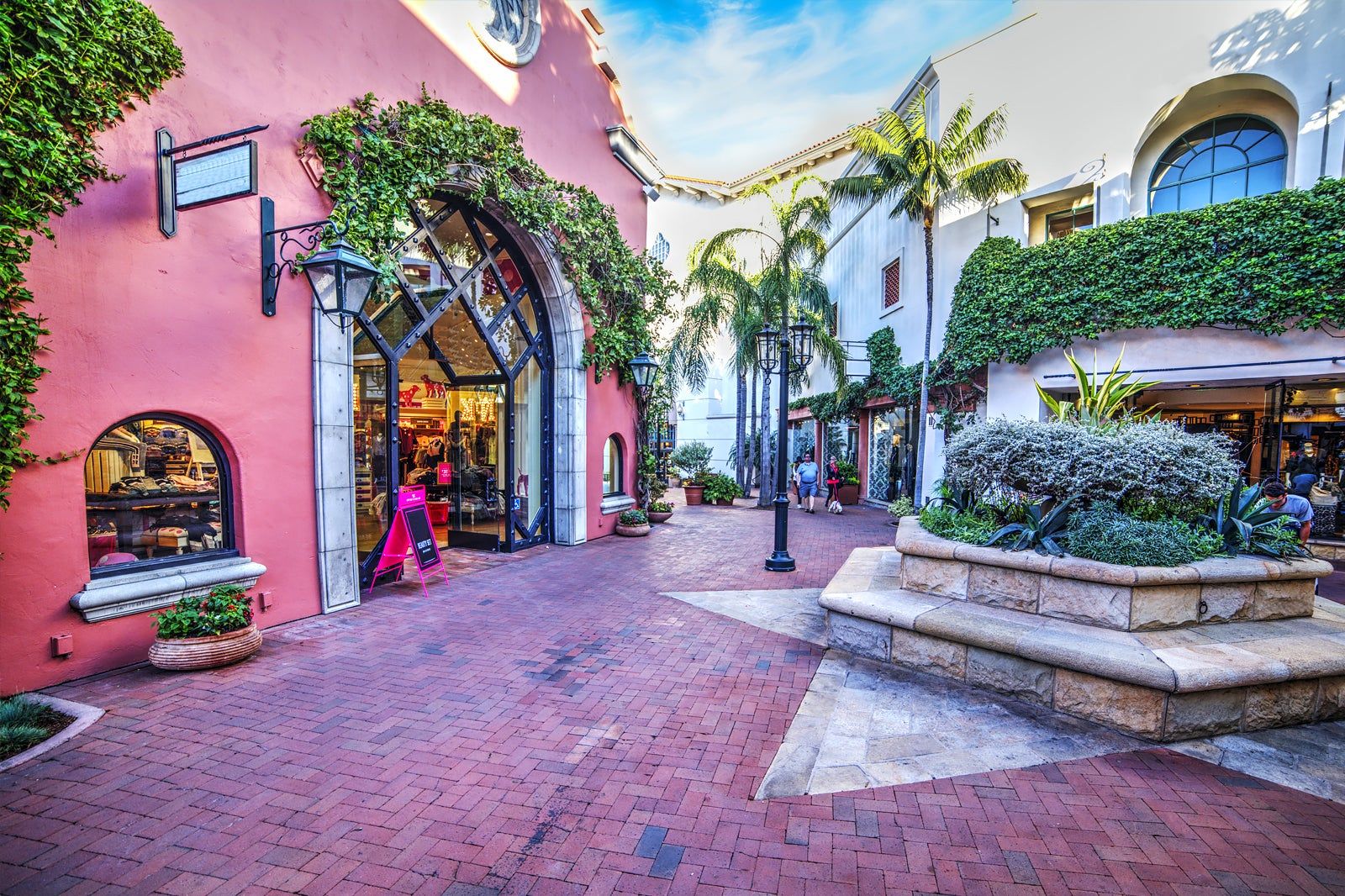
That is where Santa Barbara has an advantage. Its downtown already has the architecture, walkability, hospitality base, and vacation mindset that many lifestyle brands try to manufacture inside malls. The challenge is consistency. A beautiful block can still feel underpowered if vacancies interrupt the journey or if the tenant mix feels generic.
New apparel and lifestyle stores can help close that gap if they do three things well: offer inventory that differs from what shoppers can find everywhere else, create a store environment worth visiting, and connect with residents rather than relying only on weekend tourism.
The Experience Economy Is Now Main Street Strategy
The rise of omnichannel retail did not kill stores. It killed boring stores. The brands that still open physical locations are usually trying to do more than move units. They use storefronts as showrooms, community touchpoints, return centers, styling hubs, and brand billboards. In that model, sales per square foot still matter, but so does the store’s role in customer acquisition.
For downtown Santa Barbara, that means every well-run shop can become a miniature marketing engine. A store that looks good, photographs well, and feels aligned with the city can pull people off their phones and into the street. That spillover is where downtowns win.
What These Openings Signal For State Street
The future of State Street has been one of Santa Barbara’s defining civic debates. Pedestrianization, parklets, traffic flow, public safety, bike access, outdoor dining, and retail vacancies are all tangled together. New stores do not settle that debate, but they sharpen it. If businesses are willing to invest, the city has to ensure the public realm matches the ambition.
That means clean sidewalks, predictable permitting, attractive lighting, visible security, intuitive parking, bike access, and better wayfinding. Retailers can design beautiful interiors, but they cannot single-handedly fix the customer journey from garage to storefront. Downtown success depends on the connective tissue between businesses.
Editorial view: Santa Barbara does not need to choose between being a local-serving downtown and a visitor-friendly destination. The winning model is both: practical enough for residents, polished enough for travelers.
The Vacancy Narrative Is Being Challenged
For years, many downtown conversations have centered on what left. Empty storefronts are visible, emotional, and politically potent. But focusing only on closures can create a distorted picture. Retail districts are living systems. A healthier question is whether the new tenants improve the mix, attract aligned customers, and encourage additional investment.
Three fall openings will not erase structural challenges, but they do challenge the idea that downtown retail is stuck in decline. They suggest there is still demand for the right space, the right customer base, and the right brand positioning.
Why Clothing And Lifestyle Stores Still Matter
Apparel retail is difficult. Margins can be tight, inventory risk is real, and consumer tastes move fast. But when it works, it anchors street life in a way many service businesses cannot. Clothing and lifestyle shops invite browsing. Browsing creates dwell time. Dwell time supports impulse spending across the district.
That pattern is especially valuable in a downtown that serves both locals and visitors. A hotel guest may wander into a boutique after brunch. A resident may stop by after work. A family may use shopping as the bridge between lunch and the beach. Each trip adds texture to downtown’s economic day.
For store operators, the bar is high. They need disciplined SKU planning, strong visual merchandising, reliable staffing, and a clear point of view. A shop cannot simply exist in Santa Barbara and expect the address to do all the work. The city provides atmosphere. The retailer has to provide relevance.
Pro Tip For Local Retailers
Downtown businesses should treat these openings as a collaboration opportunity, not just competition. Cross-promotions, neighborhood shopping nights, styling events, hotel partnerships, and restaurant tie-ins can convert isolated openings into district-wide momentum. A customer who visits one new store should leave with three more reasons to stay downtown.
The Risks Behind The Optimism
There are real headwinds. Inflation has made shoppers more selective. Younger consumers often research online before buying in-store. Parking frustrations can still shape behavior. And if downtown feels inconsistent from block to block, even strong individual stores can struggle to create repeat habits.
There is also the risk of over-indexing on visitors. Tourism is essential to Santa Barbara’s economy, but a resilient downtown cannot depend only on peak weekends and holiday seasons. The best retail districts earn weekday loyalty. They become part of residents’ routines, not just vacation itineraries.
That is why these openings should be viewed as a positive signal with a performance test attached. The next year will matter more than the ribbon-cutting. Are people walking in? Are they buying? Are they returning? Are neighboring businesses seeing lift? Those are the metrics that will determine whether this fall’s optimism becomes durable recovery.
What Happens Next For Downtown Santa Barbara Retail
If the new stores perform well, expect more brands to take another look at downtown Santa Barbara. Retail leasing often follows confidence. One strong tenant can validate a block. Three can suggest a pattern. If landlords see momentum, they may become more willing to invest in build-outs, flexible lease structures, and tenant improvements that attract higher-quality operators.
The city also has a role to play. Retail revitalization cannot be outsourced entirely to entrepreneurs. Public space decisions, event programming, transportation planning, and permitting speed all influence whether downtown feels easy or exhausting. Santa Barbara already has the raw ingredients many cities envy. The question is whether it can align policy, property owners, and merchants around a coherent experience.
The fall arrival of three clothing and lifestyle stores is not a miracle cure. It is better than that: it is a measurable test. If shoppers respond, downtown gains evidence that its next chapter can be more than nostalgia. It can be a sharper, more modern version of what Santa Barbara has always sold best – beauty, taste, and a reason to slow down.
The information provided in this article is for general informational purposes only. While we strive for accuracy, we make no guarantees about the completeness or reliability of the content. Always verify important information through official or multiple sources before making decisions.