Egypt Press Freedom Crackdown Widens
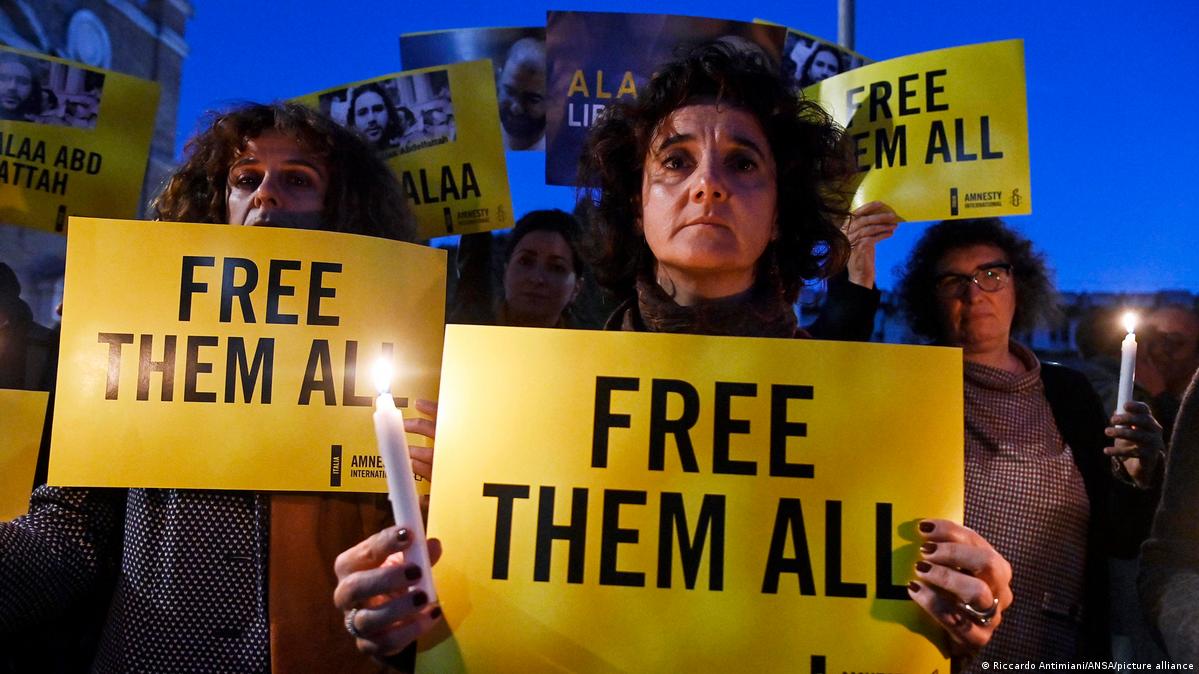
A newsroom detention is not just a legal event. It is a warning signal. The latest case involving an Egyptian journalist facing terrorism charges after an entire newsroom was detained puts Egypt press freedom back under an unforgiving spotlight. For reporters, editors, sources, and readers, the message is chilling: journalism that scrutinizes power can be reframed as a national security threat. That matters far beyond one publication or one country. When states stretch anti-terror frameworks to cover reporting, interviews, publishing, or dissent, the public loses the basic infrastructure of accountability. The immediate question is whether this case becomes another grim entry in a long-running pattern. The larger question is whether journalism can survive when the act of documenting reality is treated as a crime.
- Egypt press freedom is under renewed pressure after a journalist reportedly faced
terrorism chargesand a newsroom was detained. - The case shows how national security laws can be used to blur the line between public-interest reporting and alleged criminal activity.
- Newsroom-wide detentions are designed to create a wider chilling effect beyond the individuals directly targeted.
- The stakes extend to civil society, investors, diplomats, and technology platforms that rely on credible information flows.
Egypt Press Freedom Faces a National Security Test
The most consequential detail here is not only that a journalist is facing serious accusations. It is that the alleged enforcement action reached the newsroom itself. A journalist can be isolated, discredited, or prosecuted. A newsroom detention sends a broader signal: the institution of reporting is the target.
That distinction matters. Modern press repression rarely begins with an outright declaration that journalism is banned. It often arrives through the language of public order, security, licensing, financial compliance, or anti-terror law. These frameworks can be legitimate tools in a state facing real threats. But when applied to journalists, they become exceptionally powerful because they carry stigma, harsh penalties, and procedural opacity.
Key insight: The danger is not only imprisonment. It is the normalization of treating journalism as suspicious activity by default.
Egypt has spent years managing a tense relationship with independent media. The state’s argument has often rested on stability: disinformation, unrest, and extremism are existential concerns. But the counterargument is just as urgent. A state that cannot tolerate scrutiny becomes more brittle, not more stable. Independent reporting can be uncomfortable, but it is also a pressure valve.
Why Egypt Press Freedom Now Matters Beyond Media
Press freedom is often framed as a journalists’ issue. That is too narrow. A weakened press affects courts, markets, public health, elections, development, foreign investment, and social trust. When people cannot verify what is happening, rumor fills the gap. When institutions face no scrutiny, corruption becomes easier to hide. When citizens fear speaking to reporters, policy failures stay invisible until they become crises.
For businesses, the implications are practical. Investors depend on reliable information. Human rights risk, political risk, labor conditions, and regulatory shifts all require independent verification. If local reporting is suppressed, companies may be forced to rely on official narratives, private intelligence, or fragmented social media signals. That is a poor substitute for a professional press.
For governments and diplomats, the case creates another test of values versus strategic interests. Egypt is a major regional actor. Security cooperation, migration, energy, and diplomacy all shape how foreign governments respond. But muted responses to press freedom cases can create a permission structure: if the international cost is low, the tactic becomes easier to repeat.
The Chilling Effect Is the Point
A newsroom detention functions differently from a single arrest. It tells every reporter in the room, every freelancer nearby, every source with a document, and every editor considering a sensitive story that the risk is collective. The message does not need to be written down. It is understood instantly.
This is how chilling effects work. A few visible cases reshape the behavior of many people who are never formally charged. Sources stop answering calls. Editors remove paragraphs. Reporters avoid certain beats. Lawyers advise caution. Publishers calculate survival. The public sees less, but may never know what was withheld.
Pro Tip for readers: when evaluating press freedom cases, look beyond the named defendant. Ask who else changes behavior because of the prosecution. That is where the real impact often lives.
The Legal Language Raises the Stakes
The use of terrorism charges in a journalism context is especially serious because it changes the moral and procedural terrain. A defamation case suggests a dispute over reputation. A licensing case suggests regulatory conflict. A terrorism case suggests an enemy of the state.
That escalation can make it harder for the accused to receive public sympathy. It can also complicate legal defense, restrict access to evidence, extend detention, and place extraordinary pressure on families and colleagues. Even before a verdict, the accusation itself can damage reputations and institutions.
This is why rights advocates tend to scrutinize the language of charges so closely. The question is not whether a state has the right to investigate crime. It does. The question is whether the legal category fits the alleged conduct and whether due process is transparent, timely, and fair.
What Due Process Should Look Like
A credible legal process in a case involving journalists should meet several basic standards:
- Clear allegations: authorities should explain the specific conduct behind the charges, not rely on vague claims.
- Access to counsel: the accused should have prompt and meaningful access to legal representation.
- Judicial oversight: detention and questioning should be reviewed by an independent court.
- Protection of sources: investigations should not become fishing expeditions into journalistic contacts.
- Proportionality: the state should not use national security tools where ordinary legal remedies would suffice.
These standards are not luxuries. They are the guardrails that separate rule of law from coercive performance.
How Technology Changes the Crackdown
Press freedom conflicts are no longer confined to print offices and courtrooms. Digital journalism leaves trails: messages, metadata, cloud backups, login records, payment histories, and social media posts. That makes modern newsroom pressure more invasive and more scalable.
Authorities do not need to seize a printing press to disrupt a publication. They can examine devices, pressure hosting providers, block websites, investigate payment systems, or invoke cybercrime provisions. This makes the newsroom both a physical and digital target.
For journalists, digital security is no longer optional. Secure messaging, careful source protection, device hygiene, and access controls are part of the job. But technology is not a complete shield. The core issue remains political and legal: whether a society permits independent scrutiny.
Editorial view: Digital security can reduce risk, but it cannot solve a state-level decision to criminalize reporting.
The Platform Problem
Social platforms also sit in the middle of these conflicts. Independent outlets often rely on them for distribution, audience growth, and emergency visibility. But platforms can be inconsistent when state pressure, moderation rules, or coordinated reporting campaigns collide.
If an outlet is already under legal pressure, losing a page, account, or monetization channel can be devastating. That gives technology companies a quiet but significant role in press freedom. Their policies on account security, government requests, takedowns, and transparency can affect whether vulnerable newsrooms survive.
Why the Entire Newsroom Detail Is So Alarming
The phrase “entire newsroom detained” should stop readers cold. Newsrooms are not just offices. They are systems of verification, editorial judgment, institutional memory, and public service. Detaining a whole team interrupts that system in real time.
It also makes the punishment immediate, even without a conviction. Deadlines are missed. Sources panic. Families scramble. Equipment may be inaccessible. Publishing rhythms break. Advertisers and partners hesitate. The organization absorbs damage before a court has established guilt or innocence.
This is why newsroom raids and mass detentions are so potent. They do not merely pursue a legal claim. They degrade the capacity to report.
The Broader Pattern to Watch
One case can be an anomaly. A sequence becomes a strategy. The key is to watch whether similar actions follow: more journalists accused under security laws, more raids, more blocked outlets, more pretrial detention, more vague allegations tied to public order or national unity.
Another signal is whether independent outlets begin disappearing without formal bans. In restrictive environments, media organizations may shut down because the cumulative cost becomes unbearable: legal fees, frozen revenue, platform disruption, staff fear, and source intimidation.
The most effective censorship is often invisible. It does not need to delete a story after publication if it can prevent the story from being assigned.
What Should Happen Next
The immediate priority should be transparency. Authorities should clarify the legal basis for the detentions, provide access to lawyers, protect due process, and distinguish between genuine security threats and journalistic work. If there is evidence of a crime, it should be tested through a fair process. If the case rests on reporting, publishing, or association, it should be dropped.
Media organizations should also treat this as a sector-wide warning. Competing outlets may be tempted to stay silent when a rival is targeted. That is a mistake. Press freedom erodes outlet by outlet until everyone operates inside the same shrinking room.
International actors have a role too, but statements are not enough. Diplomatic engagement, legal monitoring, emergency support for journalists, and consistent pressure matter. Selective outrage is easy for governments to dismiss. Consistency is harder to ignore.
The Bottom Line on Egypt Press Freedom
This case is about more than one journalist, one newsroom, or one set of charges. It is about whether national security language can be used to recode journalism as a threat. If that logic takes hold, every investigation becomes risky, every source becomes exposed, and every newsroom becomes provisional.
Egypt’s stability will not be strengthened by weakening the people who document public life. A country does not become more secure by making facts harder to find. It becomes more opaque, more anxious, and more vulnerable to rumor and abuse.
The test now is simple: whether the legal process narrows toward evidence and rights, or expands into another warning to the press. For readers, journalists, and policymakers watching from outside, the stakes are unmistakable. Egypt press freedom is not an abstract value. It is the infrastructure that lets a society know itself.
The information provided in this article is for general informational purposes only. While we strive for accuracy, we make no guarantees about the completeness or reliability of the content. Always verify important information through official or multiple sources before making decisions.


