El Nino Threatens Global Hunger
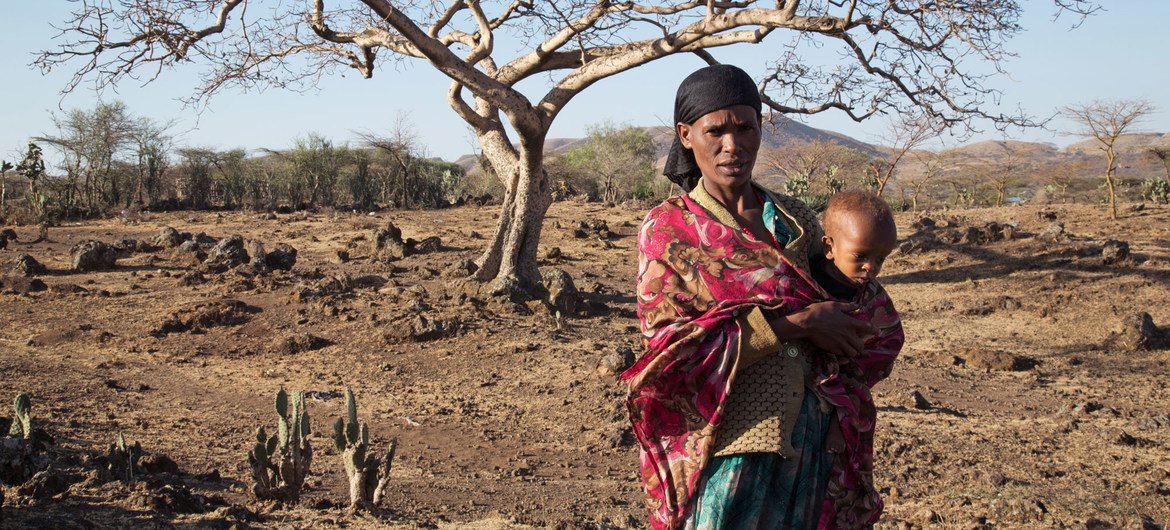
El Nino could turn a weather shock into a hunger crisis
El Nino is not just a climate pattern for meteorologists to track on a dashboard. It is a force multiplier for fragility, and the warning signs are getting harder to ignore. If the current cycle intensifies the way researchers fear, it could help push tens of millions of people into acute hunger next year, exposing how brittle global food systems really are. For governments, aid agencies, and businesses that depend on predictable harvests and supply chains, the issue is no longer whether climate volatility matters. It is whether the world can respond fast enough when volatility hits food, prices, and political stability at the same time. The phrase El Nino food insecurity is becoming less of a forecast and more of a stress test.
- El Nino can disrupt rainfall, cut yields, and raise food prices across vulnerable regions.
- The biggest risk lands where poverty, conflict, and weak infrastructure already overlap.
- Food systems need faster early warning, better logistics, and more flexible aid funding.
- Climate-driven hunger is no longer a future threat. It is an operational risk now.
Why El Nino food insecurity escalates so quickly
El Nino is a recurring climate phenomenon tied to abnormal warming in the central and eastern Pacific. That sounds remote, but the effects are anything but. It can shift rainfall patterns across Africa, Asia, Latin America, and parts of the Middle East, leaving some regions parched while others face flooding. That instability matters because agriculture is still deeply dependent on seasonal predictability. A few weeks of delayed rain can shrink harvests, weaken pasture land, and disrupt planting cycles that farmers cannot easily recover from.
When yields fall, prices rise. When prices rise, poor households cut meals, sell assets, or take on debt. That is how a climate event becomes an emergency. The El Nino food insecurity chain is particularly dangerous because it rarely acts alone. Conflict, inflation, fuel costs, and export restrictions can turn a bad season into a full-blown crisis.
The fragile link between weather and markets
Food systems are more connected than ever, which is both a strength and a vulnerability. A drought in one export region can ripple into commodity markets, raising costs far beyond the affected area. Traders, mills, transport firms, and retailers all absorb the shock, but low-income consumers feel it first and hardest. This is why climate risk now belongs on the balance sheet, not just in the disaster response plan.
When weather disrupts harvests in one region, the cost is rarely local anymore. The modern food system exports volatility just as efficiently as it exports grain.
Who faces the sharpest risk from El Nino food insecurity
The hardest-hit populations are usually those already living close to the edge. That includes smallholder farmers, pastoral communities, displaced families, and urban households that spend a large share of income on food. They have the least room to absorb shocks and the fewest tools to recover. In many countries, a single poor harvest can trigger cascading harm: school attendance drops, child malnutrition rises, and households begin liquidating livestock or savings just to survive.
Regions with weak irrigation, limited storage, and poor access to credit are especially exposed. So are places where conflict blocks trade routes or destroys farmland. Even countries with stronger economies can be affected through imported food inflation. The danger is not only famine in the narrow sense. It is the steady erosion of nutrition, resilience, and economic stability.
Why children and pregnant women are hit first
Food stress is not distributed evenly within households. Children, pregnant women, and older adults often eat last and least when supplies tighten. That creates long-term damage: stunted growth, weakened immune systems, and higher mortality risk. Once malnutrition rises, the public health bill follows. Hospitals see more complications, while social systems absorb pressure that should have been prevented upstream.
What makes this El Nino different
The uncomfortable truth is that the climate backdrop is already warmer than in previous cycles. That means El Nino does not arrive in a neutral environment. It lands on top of hotter baseline temperatures, more frequent extreme weather, stressed water systems, and a food supply chain still shaped by the aftershocks of recent inflation and conflict. The result is not just additive risk. It is compounding risk.
Many countries have improved early warning systems, but warning is not the same as response. Forecasts do not automatically translate into seeds, cash transfers, drought-resistant crops, or emergency logistics. The response gap is where crises deepen. If El Nino food insecurity becomes a broader emergency, it will likely be because institutions knew enough to anticipate it but not enough to move at the speed the threat demanded.
Pro tip for policymakers
Use climate forecasts as triggers for action, not as press-release fodder. That means pre-positioning food, relaxing budget approvals for aid, and releasing contingency funds before malnutrition indicators spike. Once households have already skipped meals, the cost of intervention is much higher.
How governments and companies should respond now
The most effective response is boring in the best possible way: preparation, redundancy, and speed. Governments should combine weather intelligence with social protection systems so support reaches vulnerable households early. Aid agencies need flexible financing that can scale before crisis headlines dominate. Agricultural agencies should prioritize drought-tolerant seeds, water management, and localized storage infrastructure.
Businesses are not off the hook. Food manufacturers, retailers, and commodity buyers should map exposure across suppliers, not just at the first tier. That means knowing where crops are grown, how water-stressed those regions are, and what fallback options exist if harvests fail. The companies that treat this as an operational continuity issue will recover faster than those waiting for emergency pricing.
- Expand cash transfer programs before prices spike.
- Protect school feeding programs as a nutritional backstop.
- Pre-position grain, therapeutic foods, and water supplies in high-risk zones.
- Build supplier redundancy into procurement plans.
- Link climate forecasts to automatic response funding.
Why this matters beyond agriculture
It is tempting to see hunger as a humanitarian problem only. That framing is too small. Acute hunger destabilizes labor markets, pushes migration, fuels unrest, and strains public finances. It can also weaken confidence in governments that fail to prepare. For investors and executives, that means food insecurity is not a side issue. It is a signal of broader instability across markets and regions.
There is also a moral dimension here that should not be buried beneath spreadsheet language. When a predictable climate event can threaten the diets of millions, the policy failure is not the weather. It is the lack of resilience built around it. That is what makes the current warning so urgent.
The question is no longer whether El Nino can trigger food stress. The real question is whether the systems built around food can absorb the shock without pushing millions into crisis.
The next year will test climate readiness
If the forecast holds, the months ahead will reveal whether the global response architecture has evolved since the last major climate-driven food shocks. Better forecasts should have made the world more prepared by now. Instead, too many countries still rely on reactive humanitarian funding, fragmented logistics, and short political memory. That leaves a dangerous gap between what science can predict and what institutions can actually do.
The most useful way to read the El Nino food insecurity warning is not as a one-off disaster story. It is a preview of the kind of climate pressure that will become more frequent in a warming world. The systems that can handle this one will likely be the systems that can handle the next one. The systems that cannot will keep paying in meals, stability, and lives.
That is why this matters now: not because a forecast exists, but because the forecast exposes how little slack remains in the world’s food safety net. El Nino may be cyclical. Hunger at this scale should not be.
The information provided in this article is for general informational purposes only. While we strive for accuracy, we make no guarantees about the completeness or reliability of the content. Always verify important information through official or multiple sources before making decisions.