Energy Shifts Accelerate Under Pressure
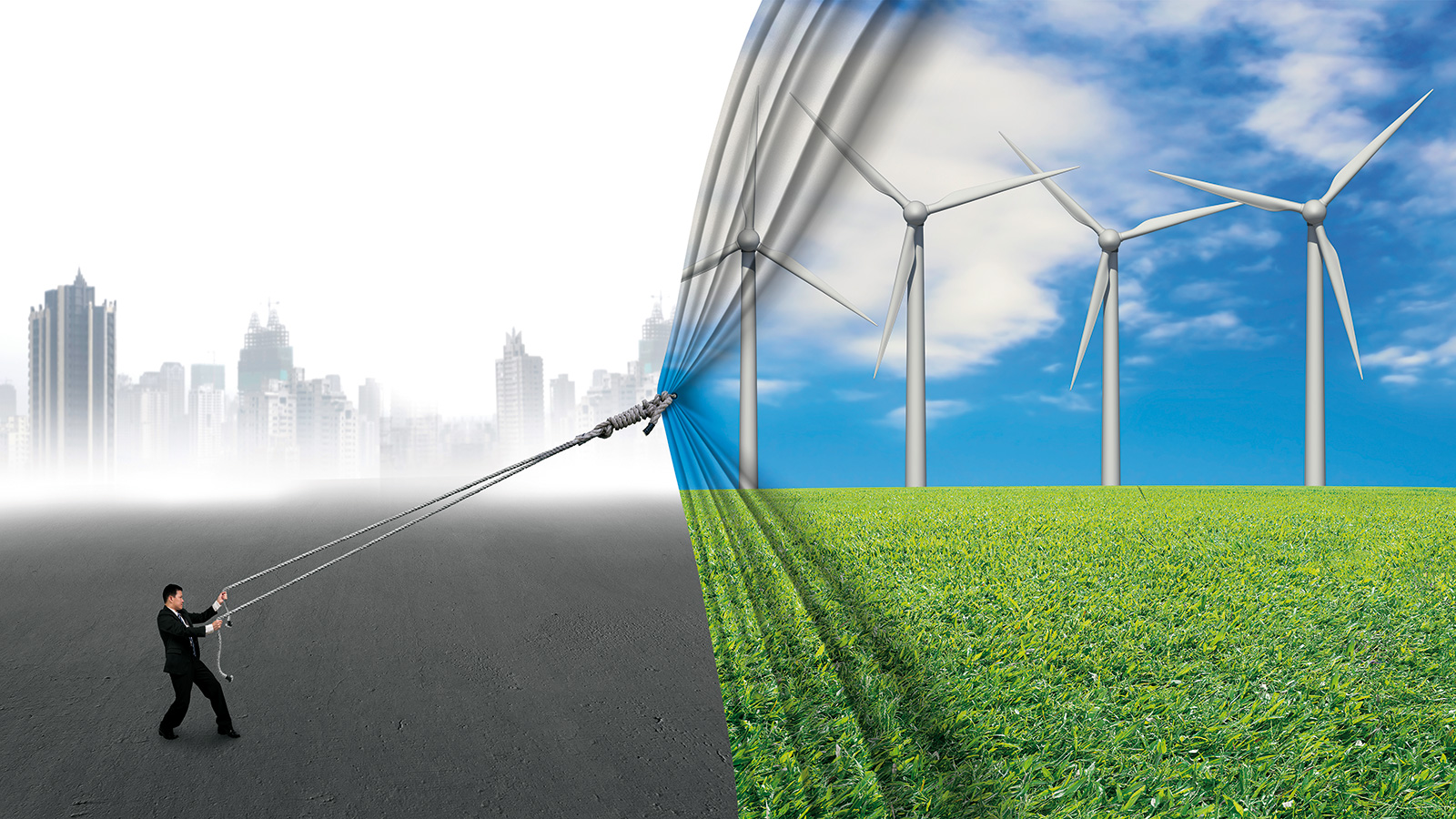
Energy Shifts Accelerate Under Pressure
The energy transition is no longer a distant policy promise. It is colliding with inflation, geopolitics, supply-chain fragility, and rising demand all at once. That matters because every shock in power markets now ripples faster: through household bills, industrial output, grid reliability, and the pace at which governments can keep their climate commitments. The result is a market that feels less like a straight line toward decarbonization and more like a stressed system trying to reinvent itself in public. For consumers, the pain is immediate. For investors and policymakers, the stakes are structural. The question is not whether energy systems will change, but which technologies, incentives, and compromises will survive the pressure.
- Energy markets are being reshaped by supply shocks, policy urgency, and grid bottlenecks.
- Clean power expansion is now inseparable from storage, transmission, and demand management.
- Household affordability and industrial resilience are becoming central to energy strategy.
- Winning technologies will be the ones that scale reliably, not just the ones that sound promising.
Why the energy transition feels harder now
The clean-energy story used to be easy to frame: build more solar, add more wind, electrify everything, and let falling costs do the rest. That script still matters, but it has been overtaken by reality. The modern energy transition is being asked to solve too many problems at once. It must cut emissions, keep prices stable, defend against geopolitical shocks, and maintain enough reserve capacity to prevent blackouts.
This is where the tension becomes obvious. Renewable generation is expanding quickly, but generation alone does not equal resilience. The system still needs storage, more flexible grid infrastructure, faster permitting, and smarter demand-side controls. Without those pieces, clean power can become a victim of its own success, stranded by bottlenecks rather than technology limits.
The new energy bottleneck is not just producing cleaner electricity. It is moving it, storing it, and dispatching it when the grid actually needs it.
The energy transition and the grid reality check
For years, the conversation around energy transition focused on generation costs. That is only half the story. The other half is the machinery underneath it all: transmission lines, substations, transformers, interconnects, and software systems that balance supply and demand in real time. These are the parts that rarely make headlines until they fail.
Grid operators are now dealing with a harder operating environment. Electrification is raising demand from vehicles, heat pumps, data centers, and industry. At the same time, weather volatility is making supply less predictable. Heat waves push systems to their limits. Storms knock out lines. Drought affects hydropower. In that environment, reliability becomes the headline metric, not just carbon intensity.
Storage is moving from nice-to-have to core infrastructure
Battery systems are no longer just a supplementary asset for solar farms. They are becoming a central tool for smoothing peaks, avoiding curtailment, and providing fast-response backup. That shift is important because it changes the economics of clean power. A project that can only generate when the sun shines is less valuable than one that can deliver power hours later, or even overnight.
This is also where the market is separating hype from execution. There is growing excitement around next-generation batteries, long-duration storage, and hybrid renewable plants. But scale remains the obstacle. Manufacturing capacity, mineral supply, safety standards, and financing all determine whether a promising technology becomes infrastructure or remains a demo.
What policy can and cannot fix
Governments can accelerate the energy transition, but they cannot shortcut the physical constraints. Subsidies help. Tax credits help. Direct public investment helps. Yet even strong policy packages still face slow-moving bottlenecks such as permitting delays, local opposition, transmission congestion, and labor shortages.
That is why the smartest policy approaches are shifting from one-off incentives to ecosystem thinking. A solar tax credit without transmission reform solves too little. A battery subsidy without supply-chain strategy may simply move the problem downstream. A climate target without a plan for industrial power prices risks political backlash before the project matures.
Some governments are responding by pairing decarbonization with industrial strategy. That means domestic manufacturing support, grid modernization, and rules that make it easier to connect new generation to the system. It is not elegant, but it is realistic.
Pro tip for businesses watching the market
If your company depends on electricity, treat energy planning as an operational issue, not a sustainability side project. The firms that win the next decade will be the ones that model power-price volatility, invest in efficiency, and diversify their load strategy before the grid forces them to.
- Audit exposure to electricity price spikes.
- Map which operations can shift load during peak hours.
- Evaluate on-site generation and backup storage.
- Build procurement plans that account for grid volatility, not just average rates.
Energy transition economics are changing fast
The economic narrative around the energy transition is becoming more disciplined. Cheap renewables still matter, but investors are increasingly asking harder questions: Can the project connect to the grid on time? Can it secure components at scale? Can it survive a higher-interest-rate environment? Can it deliver returns if power prices fall?
That skepticism is healthy. It pushes capital toward projects that actually solve system problems rather than merely look green on paper. The best opportunities now tend to sit at the intersection of hardware, software, and infrastructure. Think grid analytics, demand response platforms, advanced inverters, thermal storage, and electrification tools for industrial users.
There is also a growing realization that efficiency is underrated. The cheapest megawatt is the one you do not need to generate. From building retrofits to industrial process optimization, efficiency measures can buy time for larger infrastructure investments to catch up. They are not flashy, but they are often the fastest path to emissions cuts and lower bills.
In energy markets, reliability has become a competitive advantage. The companies that can guarantee uptime will outperform the ones that only promise lower carbon.
Why this matters for households and industry
For households, the transition is no longer an abstract environmental debate. It is about monthly bills, heating choices, vehicle costs, and resilience during extreme weather. If the system is not built carefully, consumers get stuck with the worst of both worlds: higher costs and imperfect reliability.
For industry, the stakes are even higher. Manufacturers need predictable power prices. Data centers need uninterrupted supply. Chemical plants, steel producers, and logistics hubs need clarity before they commit billions to long-lived assets. This is why energy policy is increasingly industrial policy. The countries that can deliver affordable, clean, dependable power will be better positioned to attract capital and jobs.
That is also why the transition is becoming a race between system builders and system laggards. It is not enough to deploy more turbines or panels. The winners will be the places that can build transmission faster, permit smarter, and create markets that reward flexibility.
The next phase of the energy transition
The next phase will likely be less about ideological debates and more about execution. Three themes stand out. First, grid expansion will become a political priority because every new clean-energy project depends on it. Second, long-duration storage will get more attention as systems need backup beyond a few hours. Third, software will matter more, because balancing decentralized energy assets requires better forecasting, orchestration, and pricing.
Artificial intelligence may also play a useful role here, but not as magic. Its real value is in forecasting demand, predicting maintenance needs, and optimizing distributed assets in real time. That is the unglamorous work that keeps systems stable. In other words, the future of energy is as much about coordination as generation.
There will still be setbacks. Permitting reform will be slow. Commodity markets will stay volatile. Some technologies will disappoint. But the strategic direction is clear: the energy transition is becoming a full-stack infrastructure challenge, and the organizations that understand that will have a decisive edge.
Bottom line
The clean-energy debate has matured. The easy narratives have fallen away, replaced by a harder, more interesting reality: the transition is not a single technology race, but a systems race. Success depends on building enough physical and digital infrastructure to make clean power affordable, reliable, and scalable.
That is why the pressure matters. It is forcing the market to stop rewarding slogans and start rewarding execution. And that, ultimately, is how the next energy economy will be built.
The information provided in this article is for general informational purposes only. While we strive for accuracy, we make no guarantees about the completeness or reliability of the content. Always verify important information through official or multiple sources before making decisions.

