England Women Reshape the Game
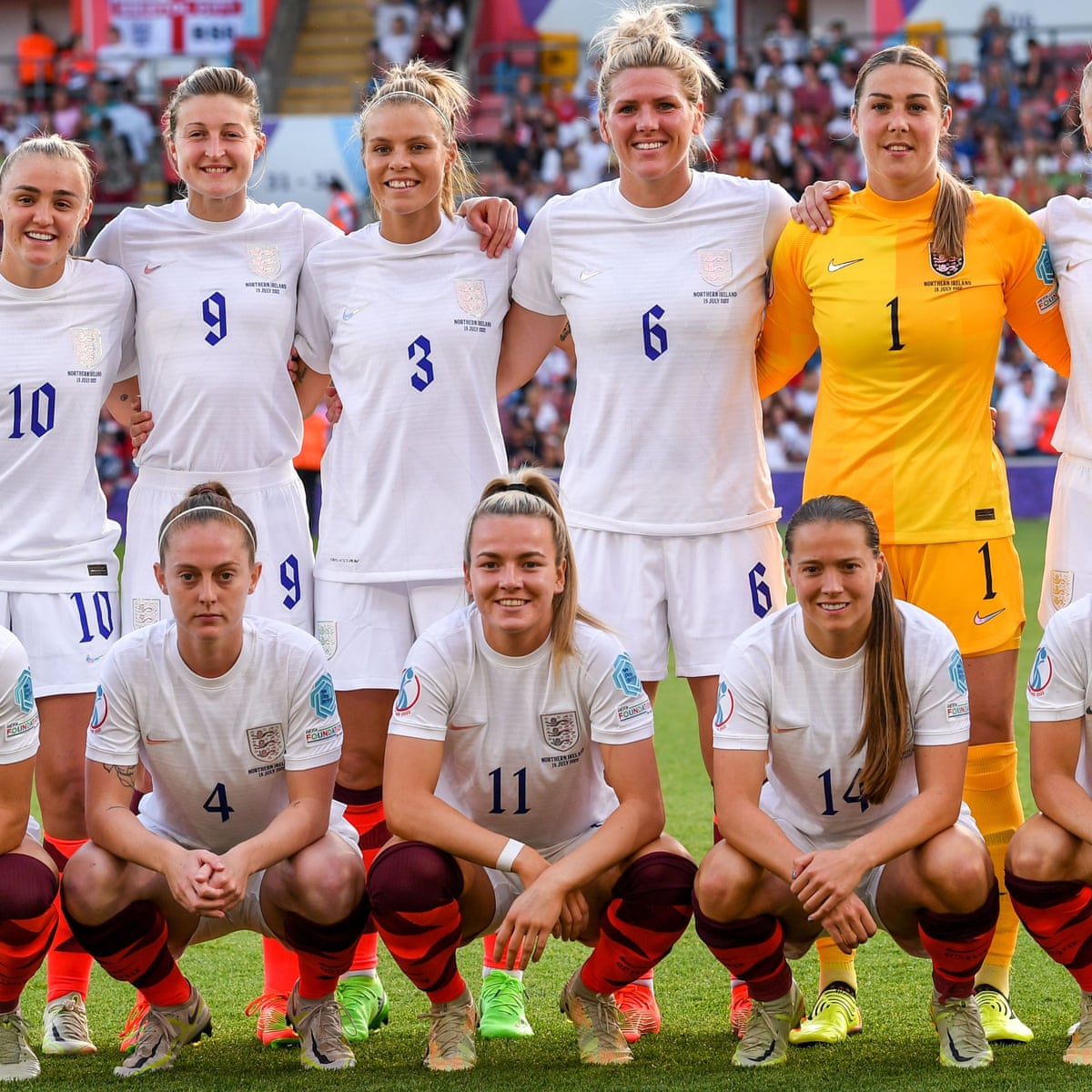
England Women Reshape the Game
The pressure is no longer just on the pitch. England Women are now part of a much bigger commercial, cultural, and sporting shift, and the consequences are spreading far beyond one tournament or one squad. The expectation around women’s football has moved again: not from niche to mainstream, but from momentum to permanence. That matters because the sport is no longer being judged by whether it can attract attention. It is being judged by whether it can hold it, monetize it, and turn it into lasting infrastructure. For clubs, broadcasters, sponsors, and governing bodies, the question is simple: can they keep up with a game that is growing faster than the systems built around it?
- England Women are now driving a broader reset in football’s commercial and cultural value.
- The biggest challenge is no longer visibility, but sustainable investment and long-term structure.
- Clubs and brands must treat women’s football as a core product, not a side project.
- Fan demand is real, but the next step is converting attention into stable revenue and deeper pathways.
England Women and the new standard for football
For years, women’s football has had to prove itself in ways men’s football never did. It had to justify scheduling, funding, media coverage, and facilities. That era is fading. England Women have helped push the sport into a new phase where excellence is the baseline and ambition is the expectation. Every deep tournament run, every sold-out stadium, and every highly visible broadcast reinforces the same message: this is not a novelty act, it is a serious sporting product.
That shift changes the conversation inside football boards and commercial teams. If a team can pull large audiences, create national conversation, and build loyal fan communities, then the old excuses about lack of demand become harder to defend. The market is speaking loudly. The real test is whether decision-makers are listening with enough speed.
Why the England Women effect matters now
The significance of England Women goes well beyond results. Their rise has become a proof point for the broader economics of the sport. When a team performs at the highest level, interest rises, but the lasting value comes from what happens after the final whistle. Do young fans stay engaged? Do local clubs gain participation? Do sponsors renew? Do broadcasters keep building coverage instead of treating it as an event spike?
This is where women’s football is becoming strategically important. It is not just about one squad winning. It is about whether the sport can build an ecosystem with the same seriousness that elite men’s football has enjoyed for decades. The answer increasingly looks like yes, but only if the investment follows the audience.
England Women are not simply benefiting from a growing sport. They are helping define what a mature women’s football market should look like.
The commercial case is stronger than the old skeptics admit
The business argument around women’s football has changed from speculative to practical. Brands want association with rising cultural energy, and England Women provide that in a way few teams can. They offer national relevance, strong storytelling, and a fan base that often skews younger, more diverse, and highly engaged. That is a compelling proposition for sponsors looking beyond traditional reach metrics.
But the smart money should resist the temptation to treat the current surge as guaranteed. Demand can be real and still be undercapitalized. Stadium sellouts and social engagement do not automatically translate into long-term profitability. That requires pricing strategy, distribution discipline, merchandising, content strategy, and grassroots coordination. In other words: the commercial upside is there, but it is not passive. It has to be built.
What clubs and brands should do next
Organizations that want to benefit from this moment should stop thinking in campaign cycles and start thinking in infrastructure. That means a more serious commitment to:
- Matchday experience that feels premium without alienating core supporters.
- Broadcast packaging that treats women’s football as appointment viewing, not filler.
- Merchandise and licensing that reflect genuine fan identity.
- Grassroots pathways that make participation the foundation of future growth.
- Data-driven audience building that tracks retention, not just spikes.
These are not nice-to-have extras. They are the difference between a short-lived boom and a lasting sports economy.
England Women and the media reset
Media coverage has always shaped football’s hierarchy. What gets shown, repeated, and amplified becomes what feels important. England Women have forced broadcasters and editors to make a correction. Coverage is no longer just about whether a game is on television. It is about how often the team is visible, how the stories are framed, and whether the audience is invited into the sport as a regular habit.
That creates pressure on sports media to move past reactive coverage. The best coverage of women’s football now needs depth: tactical analysis, player profiles, injury context, and season-long narrative arcs. Fans are sophisticated. They know when a broadcast is performing support instead of actually doing the work. If women’s football is to keep growing, the coverage has to grow with it.
Visibility is the beginning. Normalization is the prize.
The development pipeline still decides the ceiling
For all the progress, there is a hard truth beneath the celebration: elite success depends on the pipeline. The rise of England Women must be matched by better coaching, better facilities, stronger youth systems, and more consistent access at every level. Otherwise, the sport risks creating a top-end showcase without enough depth underneath it.
That is the central strategic challenge. A healthy women’s football ecosystem cannot rely on a few elite squads to carry the load. It needs regional opportunity, school-level participation, and club structures that allow talent to emerge early and develop properly. Without that, the sport remains vulnerable to bottlenecks, burnout, and uneven quality.
Pro Tip: the most effective growth strategy in women’s football is not just buying stars. It is widening the talent base so the next generation is stronger, cheaper, and more resilient.
What success should look like five years from now
If the current trajectory holds, the next phase of growth should be measurable in more than trophies. Expect the best-run organizations to track:
- Repeat attendance instead of one-off crowd surges.
- Youth participation growth across multiple age groups.
- More women in coaching, analysis, and leadership roles.
- Stronger domestic league parity and competitive depth.
- Consistent broadcast windows with meaningful promotional support.
Those metrics tell the real story. Championships matter, but systems last longer.
Why this moment is bigger than football
The rise of England Women also reflects a broader shift in how audiences consume sport. Fans are increasingly motivated by identity, values, access, and narrative – not just legacy or habit. That creates room for newer properties to challenge old hierarchies. Women’s football has been one of the clearest beneficiaries of that shift, but it is also helping to accelerate it.
In that sense, this is bigger than a single national team. It is about whether modern sports culture rewards quality and connection, or simply defaults to inherited status. England Women have made a strong case for the former. They have turned progress into expectation, and expectation into pressure on everyone else to respond.
The next chapter will not be written by hype. It will be written by governance, investment, and consistency. If those pieces land, England Women will be remembered not just as winners, but as accelerators of one of football’s most important transformations.
The information provided in this article is for general informational purposes only. While we strive for accuracy, we make no guarantees about the completeness or reliability of the content. Always verify important information through official or multiple sources before making decisions.

-(1).png)