Euphoria costumes ignite a new fashion arms race
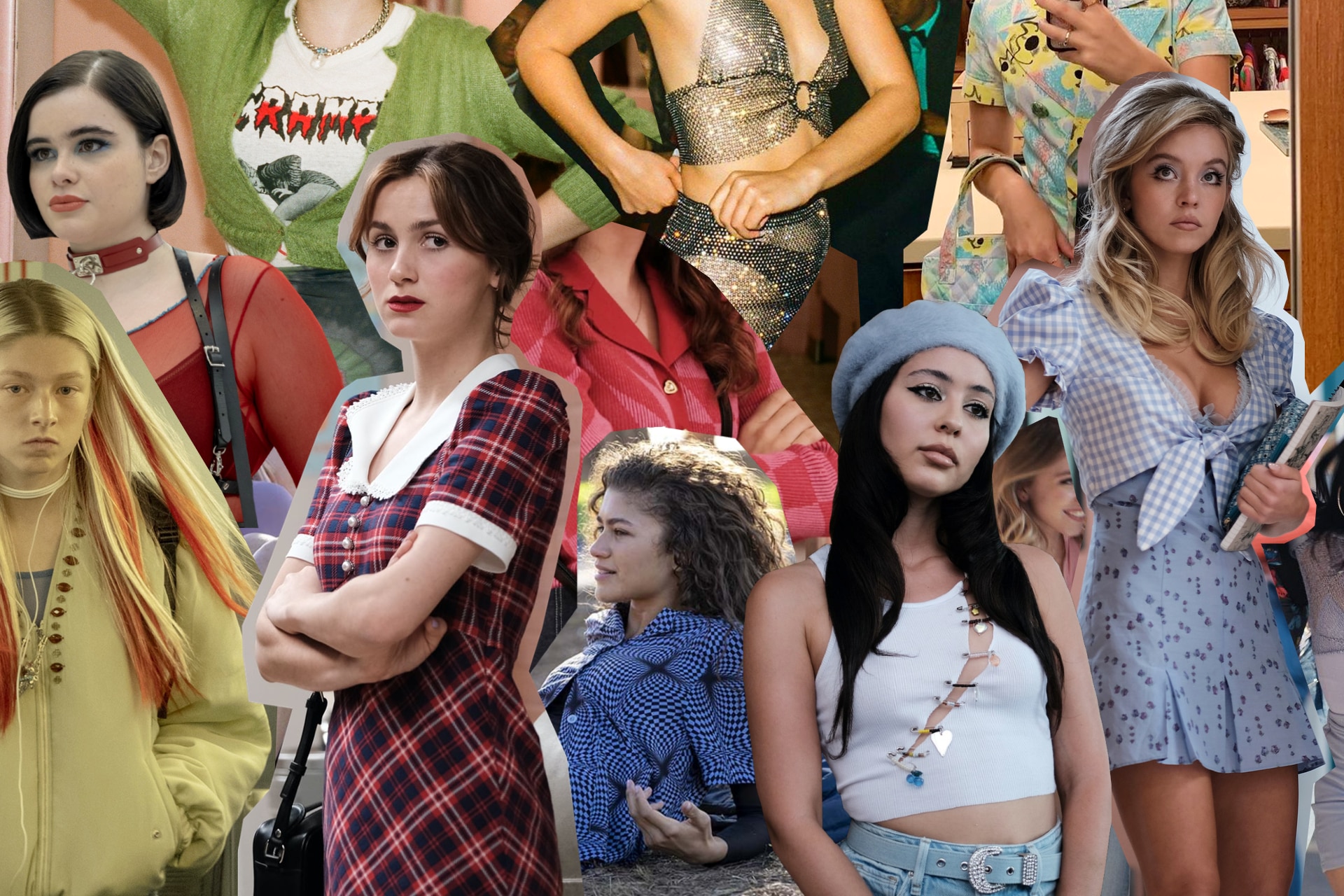
HBO’s return to the teen fever dream lands with a sharper edge: Euphoria costume design now functions like a cultural API that updates youth identity in real time. The stakes are not about a dress or a glittery eye anymore; they revolve around how designers weaponize color, silhouette, and scarcity to influence thrift store queues and TikTok shop carts. Viewers who once passively admired now chase screen-accurate looks within hours of an episode drop, and brands scramble to predict the next drop of mesh, latex, or heritage denim. The show is no longer content with visual flair; it is setting a new dress code for anxiety, ambition, and belonging.
- Wardrobe shifts from maximalist sparkle to restrained sharpness, signaling character growth and darker themes.
- High-low styling fuses vintage thrift with couture, resetting what Gen Z considers aspirational.
- Design choices ripple across resale markets, indie designers, and fast fashion timelines.
- Costume storytelling now acts as branding, turning characters into living style mood boards.
Euphoria costume design rewrites youth archetypes
The earliest seasons made rhinestone tears a meme; the new collection swaps glitter for precision tailoring and deliberate texture. Characters who once hid behind neon now wear structured outerwear and heavy knits that broadcast emotional armor. The pivot is deliberate: costume supervisor meetings reportedly start with mood boards of emotional beats, not just fabric swatches. That process positions wardrobe as narrative fuel rather than aesthetic garnish.
Costumes are doing the talking before the dialogue lands, and that is the mark of a show that trusts visuals to carry plot.
By threading in archival sportswear next to sharp suiting, the team blends nostalgia with grown-up stakes. When Rue layers a vintage varsity jacket over a clean-lined hoodie, it reads as a tug-of-war between adolescent softness and adult consequences. Jules, once a prism of candy color, now leans into metallic lamé with minimal accessories, a choice that signals self-possession over chaos. Each pairing of fabric and silhouette is a thesis about where the character stands.
Texture over sparkle
Sequins and face gems defined the first wave of fandom; now corduroy, leather, and heavy wool dominate. The tactile shift creates a tactile realism that mirrors the narrative’s heavier plotlines. Makeup follows suit: fewer floating crystals, more matte liners and muted lips that frame the face without screaming for attention. The result is a grounded palette that lets tension breathe.
Color as character code
Color grading meets closet planning. Rue’s palette hovers around desaturated burgundy and deep navy, telegraphing introspection. Cassie, who once lived in pastel blues, now toggles between icy tones and brittle whites that mirror her self-protection. Even background extras are curated into clusters of earthy neutrals to keep the camera focused on central conflicts. The color story is less about trend-chasing and more about emotional clarity.
How Euphoria costume design weaponizes nostalgia and tech
The production mines late 90s rave wear and Y2K mall staples, but pairs them with contemporary silhouettes. Mesh tops resurface, yet they are cut with higher quality seams and paired with heavyweight boots, a nod to durability over disposability. The crew reportedly uses digital lookbooks to stress-test outfits under different lighting setups, ensuring that fabric behaves under LED stage rigs and night exteriors alike.
The show treats wardrobe like firmware: every episode ships an update, and viewers instantly download it into their closets.
This iterative process is why fan recreations surge minutes after an episode. Screenshots become shopping lists, and micro-influencers break down each outfit component with forensic zeal. The production benefits: secondary markets explode, and hashtags drive tune-in intent. Nostalgia becomes a growth hack rather than a crutch.
Materials that handle cinematic pressure
Costume leads lean on performance fabrics for sweat-heavy party scenes, ensuring silhouettes stay crisp despite long takes. Satin pieces are underlined with sturdier cotton to avoid wrinkling. Footwear shifts toward platforms with ergonomic insoles, signaling that even the most impractical looks need to survive 12-hour days. This pragmatic craft underlines the professional polish beneath the chaos on screen.
Digital mood boards as community fuel
After each episode, fan-made carousels dissect outfits piece by piece. The production indirectly fuels this by releasing behind-the-scenes stills that feature wardrobe racks and fabric piles. These bread crumbs turn fashion sleuthing into a participatory sport, deepening loyalty. Brands that once ignored costume credits now lobby for placement, hoping a single ring or belt will become the next viral staple.
Business shockwaves behind the wardrobe
Resale platforms report spikes in searches for keywords tied to characters, from sheer mesh tops to varsity jackets. Indie designers see overnight demand after their pieces land on screen, often leading to limited drops that sell out in minutes. Fast fashion responds with rapid clones, but the audience increasingly spots knockoffs, pushing them toward thrift or direct-to-creator purchases. The economic loop is tight: screen time generates demand, demand influences design, and design feeds back into the story.
Costume visibility has become its own KPI, and Euphoria keeps outperforming the algorithm.
The ripple hits retail strategy. Boutiques near filming locations report foot traffic spikes the week after party-heavy episodes, suggesting that physical shopping still rides on digital hype. Meanwhile, established luxury houses approach the show not just for product placement but for co-designed capsules, recognizing that narrative-driven apparel converts better than billboard ads.
Brand calculus and risk
Aligning with a gritty teen drama carries brand risk. Yet the payoff is cultural relevance. Labels that lean in must accept that their piece might be worn in a scene depicting chaos or heartbreak. The upside: authenticity. When a sleek blazer appears during a courtroom sequence, viewers feel the weight of the moment and the garment simultaneously. That is earned attention most campaigns cannot buy.
Pro tips for fans, designers, and marketers
For fans, the goal is not carbon copy cosplay but capturing the mood. Start with silhouettes: oversized bomber over slim trousers echoes Rue without mimicry. Focus on texture to channel the new season’s restraint. For emerging designers, watch how the show balances proportion; a cropped knit over a floor-length skirt creates tension that feels both streetwise and cinematic. Marketers should study release cadence. Episode drops align with social rollouts and micro-trends; aligning product releases to those beats keeps campaigns feeling native.
- Build a capsule around three fabrics: leather, ribbed cotton, and metallic lamé for instant Euphoria energy.
- Use muted color blocks with one saturated accent to mirror the show’s new emotional palette.
- Design for movement; choreographed chaos means clothes must survive spins and sprints.
- Time product launches within 24 hours of episode premieres to ride the hashtag wave.
Why this costume pivot matters
When a show evolves its wardrobe, it signals confidence in its audience’s literacy. Euphoria trusts viewers to decode fabric, cut, and layering as narrative cues. That respect breeds engagement beyond doomscrolling. It also pushes the industry to stop treating costume as an afterthought. As more productions adopt similar rigor, expect the boundary between runway, street, and screen to blur further.
The cultural implications are bigger than aesthetics. Teens and twenty-somethings are learning to articulate feelings through clothes, not just captions. If Euphoria sparked a glitter boom in 2019, its 2026 palette could usher in a decade of intentional dressing: fewer impulse buys, more pieces that hold meaning. That is a sustainability win wrapped inside a style revolution.
Fashion on screen used to sell merch; now it sells a way of processing life.
The show also exposes the tension between authenticity and performance. Characters curate looks even as they unravel, mirroring the social media paradox. By making costume choices slightly uncomfortable yet aspirational, the designers remind us that style is labor, not magic. That honesty may be the real hook keeping audiences glued.
Ultimately, the latest season proves that Euphoria costume design is not chasing trends; it is setting tempo. Whether you are a brand plotting a capsule, a fan hunting vintage, or a stylist refining a mood board, the message is clear: the clothes are speaking. Listen closely, then decide which story you want your closet to tell.
The information provided in this article is for general informational purposes only. While we strive for accuracy, we make no guarantees about the completeness or reliability of the content. Always verify important information through official or multiple sources before making decisions.