Expose the Coltan Supply Chain Crisis
Expose the Coltan Supply Chain Crisis
The modern gadget economy runs on a dirty secret: the minerals inside your phone, laptop, and electric vehicle are often separated from the consumer by a supply chain so opaque that even major brands struggle to fully explain it. The latest investigation into coltan in the Democratic Republic of Congo throws that problem back into sharp focus. If minerals linked to conflict zones can still move through international markets, then every promise of ethical sourcing starts to look more fragile than the industry admits. For tech companies, regulators, and investors, the issue is no longer abstract. It is a test of whether global manufacturing can survive scrutiny without collapsing under the weight of its own blind spots.
- Coltan remains a critical input for modern electronics, especially capacitors used across consumer devices.
- Conflict dynamics in eastern Congo make traceability far harder than many supply chain disclosures suggest.
- Tech firms face growing pressure to prove mineral sourcing is not connected to armed groups or forced labor.
- Stronger due diligence is moving from compliance theater to a core business risk.
- Consumers are starting to expect proof, not promises, when brands talk about responsible sourcing.
Why the coltan supply chain still breaks under pressure
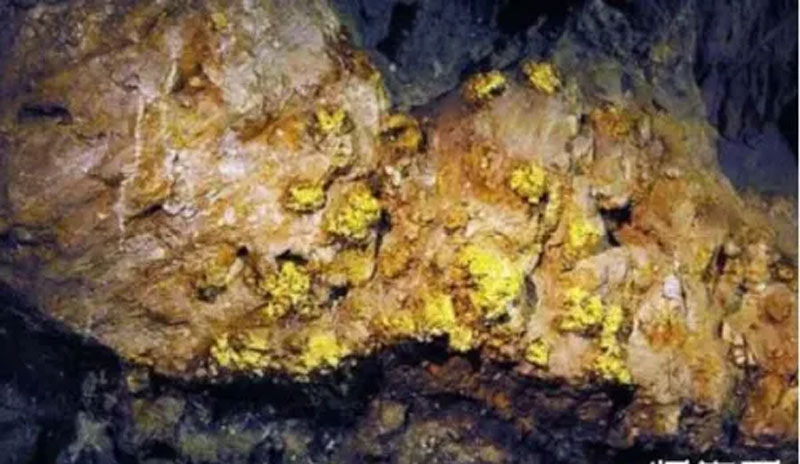
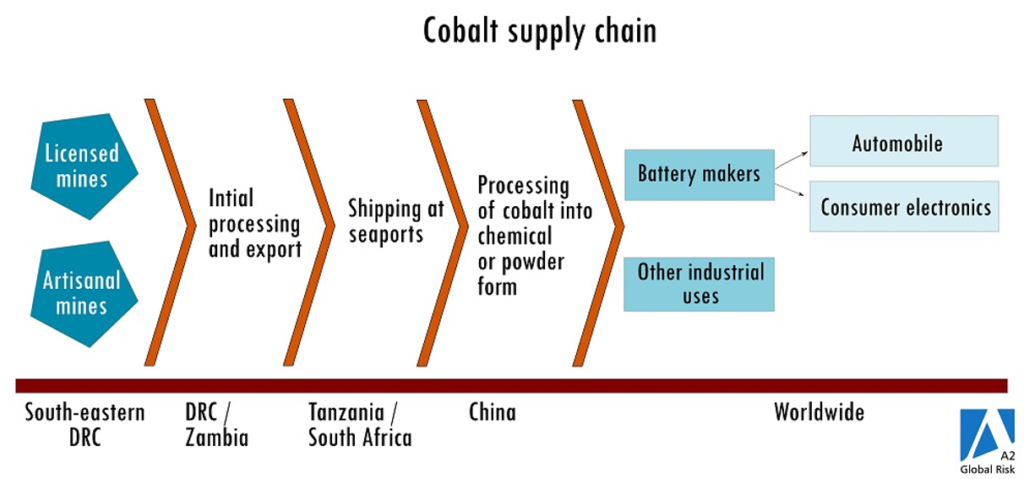
Coltan is not a niche commodity. It is a strategic mineral, central to the production of tantalum, which is used in compact, heat-resistant capacitors. Those components sit inside everything from smartphones to medical devices. That makes the coltan supply chain one of the most important and least visible industrial systems on the planet. The problem is that visibility has never matched the rhetoric. Once ore leaves a mine in a conflict-affected area, it can pass through multiple hands, borders, traders, and processors before it reaches a factory. Each layer creates a new opportunity for obfuscation.
The Democratic Republic of Congo is at the center of that tension. It holds vast mineral wealth, but parts of eastern Congo have long been destabilized by armed groups competing for control over land, trade routes, and extraction sites. In that environment, even basic provenance claims become difficult to verify. The result is a market where paperwork can look clean while the underlying reality remains murky.
Traceability is not just a compliance exercise. In mineral supply chains, it is the difference between market confidence and reputational contagion.
What the investigation reveals about the coltan supply chain
The significance of an investigation like this is not limited to the allegations themselves. It is the pattern that matters. When reporting suggests that minerals may be moving through networks connected to armed actors, it exposes how fragile certification systems can be when supply chains are stretched across unstable regions. The issue is not that companies are always deliberately misleading buyers. More often, the failure is structural: verification systems depend on local documentation, intermediaries, and audits that may not capture coercion, smuggling, or the informal blending of ores from different sources.
That is why the story resonates far beyond the DRC. If coltan can be laundered through complex trade channels, the same vulnerability can apply to other minerals tied to batteries, chips, and industrial hardware. The lesson for the tech sector is uncomfortable but necessary: ethical sourcing cannot be treated as a branding layer. It has to be engineered into procurement, logistics, and vendor accountability.
Where traceability fails
Traceability often breaks at the transition points. A mine may be monitored, but transport routes are not. Export records may exist, but they may not reflect the exact origin of the ore. A smelter may claim conflict-free sourcing, but once minerals are aggregated from multiple suppliers, the line between verified and unverifiable material can blur quickly. In practice, the weakest link is usually the point where local governance is weakest and commercial pressure is strongest.
For procurement teams, that means relying on a single audit or certificate is no longer enough. A real due diligence program has to map the chain beyond the first-tier supplier and ask uncomfortable questions about subcontractors, transporters, and brokers.
Why tech companies cannot treat this as someone else’s problem
Tech brands love to talk about innovation, scale, and resilience. But the mineral base under all of that is still grounded in geopolitics, labor conditions, and physical extraction. That makes commodity risk a board-level issue, not a back-office inconvenience. If a company cannot explain where its critical minerals come from, then it is exposed to supply shocks, regulatory penalties, activist campaigns, and consumer backlash. The reputational damage can spread fast because the devices affected are so visible and so personal.
There is also a deeper strategic risk. As governments tighten import rules and disclosure requirements, companies that have ignored upstream traceability may find themselves locked out of key markets. The compliance burden is rising, but so is the competitive advantage for firms that can prove cleaner sourcing. In other words, responsible mineral sourcing is becoming a market differentiator.
For hardware makers, the question is shifting from “Can we get the mineral?” to “Can we defend how we got it?”
What buyers should demand now
Procurement leaders should move beyond broad supplier assurances and require evidence at every critical stage. That includes mine-level data where available, transport documentation, smelter declarations, and independent verification that can identify red flags such as mixed-origin material or unusual trade routing. It also means building escalation paths when evidence is incomplete rather than quietly accepting partial answers.
- Ask for chain-of-custody records that extend beyond the first exporter.
- Require smelter and refiner transparency, not just vendor-level claims.
- Flag suppliers who cannot explain origin, transport, or blending practices.
- Use risk scoring to prioritize audits in high-risk regions.
- Treat repeated documentation gaps as a supply continuity issue.
What stronger oversight would actually look like
Real oversight is not glamorous, but it is achievable. The best systems combine local monitoring, digital reporting, independent auditing, and market incentives that reward verified material. Technology can help, but only if it is paired with governance. Blockchain branding and dashboard aesthetics do not solve conflict mineral trafficking on their own. What matters is whether the system can detect anomalies, preserve accountability, and penalize noncompliance.
Governments also have a role to play. Import controls, mandatory disclosure rules, and corporate responsibility laws can change behavior, but only if enforcement is credible. If companies know that weak reporting carries little consequence, they will continue to optimize for convenience. If they know procurement files can trigger legal and financial exposure, sourcing behavior changes quickly.
Pro tips for better due diligence
Companies that want to get ahead of the curve should start with a narrower but more rigorous approach. Focus on the highest-risk commodities first. Build direct relationships with refiners and smelters. Demand document consistency across shipments. And when in doubt, pause rather than push material through the chain just to keep production moving. Short-term friction is cheaper than long-term scandal.
Another practical step is to align legal, procurement, and sustainability teams around a single definition of acceptable risk. Too many firms still split responsibility across departments, which leads to contradictory answers and slow escalation. The result is predictable: a polished sustainability report on one side and a messy sourcing reality on the other.
What this means for the future of responsible sourcing
The big shift here is that supply chain ethics is moving from optional to operational. Consumers care more. Regulators care more. Investors care more. And as devices become more resource-intensive, the pressure on mineral sourcing will only intensify. Coltan is a warning sign because it sits at the intersection of tech demand and conflict economics. If companies cannot manage that intersection, they will struggle with lithium, cobalt, nickel, and other critical inputs too.
There is also a broader industrial lesson. The next era of manufacturing will reward transparency as much as efficiency. Firms that can verify provenance will be better positioned to win contracts, survive audits, and maintain public trust. Firms that cannot will increasingly look outdated, even if their products are technologically advanced.
That is what makes this investigation important. It is not just about one mineral or one region. It is about whether the tech industry is finally ready to admit that innovation built on hidden extraction is a liability, not a strength. The companies that take that seriously now will be the ones best prepared for the next wave of supply chain regulation, consumer scrutiny, and geopolitical disruption.
The information provided in this article is for general informational purposes only. While we strive for accuracy, we make no guarantees about the completeness or reliability of the content. Always verify important information through official or multiple sources before making decisions.