Extreme Heat Watch Slams Southern California
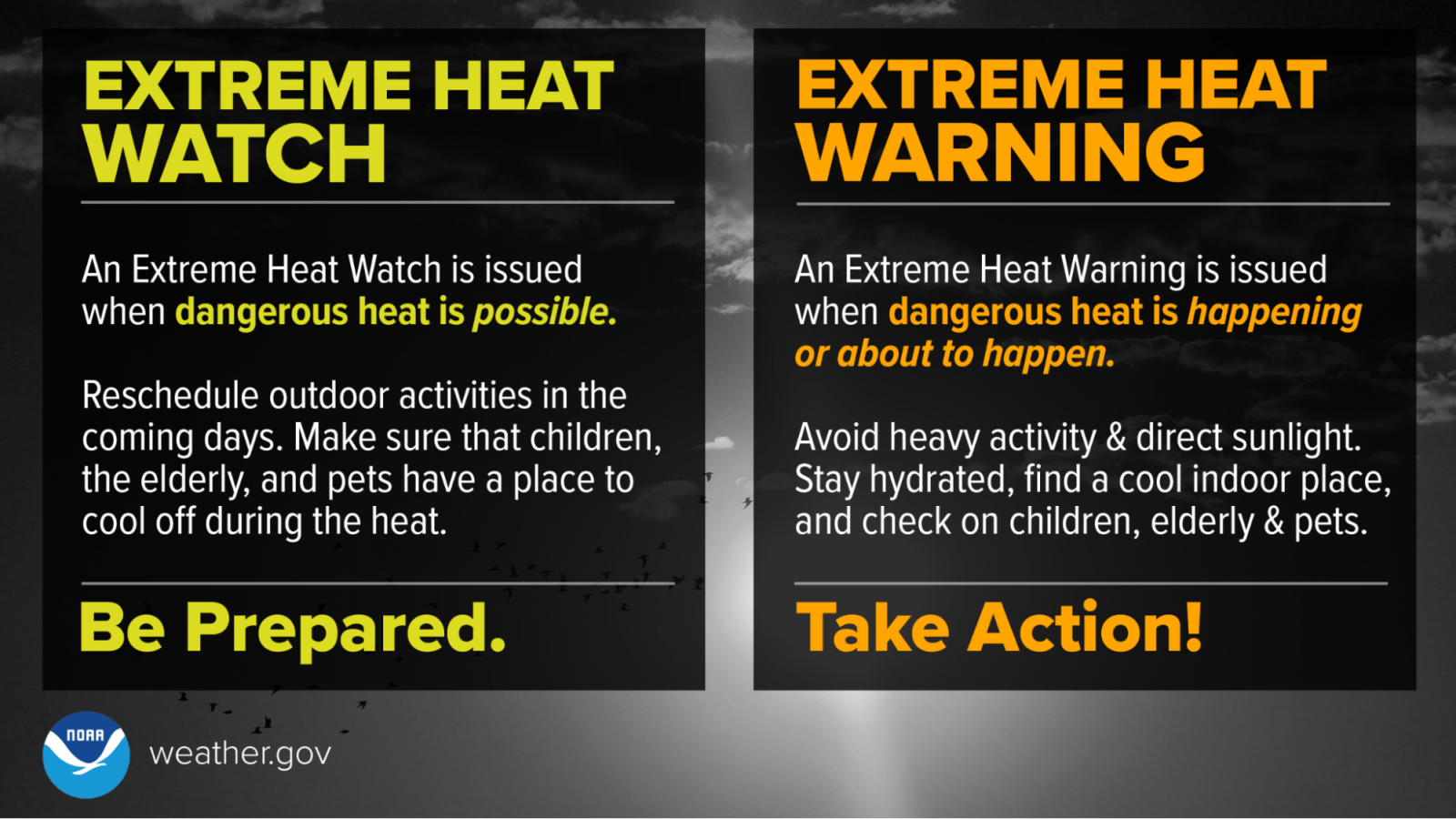
Extreme Heat Watch Slams Southern California
Southern California is staring down a brutal reminder that heat is now a structural risk, not just a summer inconvenience. With an extreme heat watch in effect and temperatures pushing toward 100 degrees, the region is facing more than sweaty afternoons and overloaded air conditioners. This is the kind of weather that strains public health systems, pushes power demand higher, and exposes just how fragile daily routines become when the mercury spikes. For households already juggling high energy bills, outdoor workers, transit riders, and anyone without reliable cooling, the forecast is more than uncomfortable. It is operationally disruptive. And if the heat holds, the next few days could test how well Southern California can absorb a fast-moving climate stress event without turning it into a full-blown emergency.
- Southern California is under an
extreme heat watchas temperatures near 100 degrees. - The biggest risks include heat illness, higher power demand, and strain on vulnerable residents.
- Cooling strategies matter now, not after symptoms start.
- Expect amplified impacts for outdoor workers, older adults, and people without dependable air conditioning.
Why the extreme heat watch matters now
An extreme heat watch is not just a weather banner. It is a signal that the region may be entering a period where normal safeguards are not enough. Heat alerts tend to trigger only when forecasters see sustained conditions that can push body temperatures, infrastructure, and energy systems past their comfort zone. In Southern California, that means the risk is layered: dry inland air, hot pavement, dense urban neighborhoods that trap heat, and a regional grid that must absorb a sharp rise in cooling demand.
The real concern is not only peak temperature. It is duration. A single hot afternoon is manageable for many people. Several consecutive days near 100 degrees can wear down the body, flatten sleep quality, and increase the likelihood of dehydration and heat exhaustion. That is why this alert deserves attention even from people who are used to warm weather. Familiarity can create false confidence, and heat punishes that fast.
The extreme heat watch and what it means for daily life
When temperatures climb, the impact spreads far beyond the thermometer. School pickups become more stressful, commuting gets more draining, and errands that normally feel routine suddenly require planning. The most vulnerable groups are often the least flexible: older adults, children, people with chronic conditions, outdoor laborers, and residents who do not have access to air conditioning or cannot afford to run it for long periods.
That is why this kind of weather event is increasingly seen through a systems lens. Heat is not only a personal discomfort issue. It can affect:
- Hospital and urgent care volumes tied to dehydration and heat illness.
- Energy loads as homes and businesses increase cooling use.
- Transportation infrastructure, especially roads and vehicles sitting in traffic.
- Workplace productivity, particularly for construction, logistics, and service workers.
There is also a quieter problem: people often underestimate the speed at which heat stress builds. You do not need to be running a marathon to become affected. A walk to the store, a wait at a bus stop, or a few hours in a warm apartment can become enough if hydration, shade, and cooling are not available.
Heat alerts are often treated like background noise until the first wave of ER visits, blackouts, or school disruptions makes the consequences impossible to ignore.
How Southern California should think about heat readiness
Preparation during an extreme heat watch is less about panic and more about reducing friction. The goal is to remove as many points of failure as possible before the hottest hours arrive. That means checking on people who live alone, verifying that cooling systems work, and making sure the basics are in place: water, phone chargers, medication, and a plan for where to go if home becomes too hot.
For families, this may mean coordinating schedules so children are not left in unventilated spaces. For older adults, it may mean identifying a cooler room, closing blinds early, and limiting outdoor exposure. For workers and employers, it means shifting labor when possible, increasing break frequency, and treating shade and hydration as non-negotiable rather than optional perks.
Practical steps that actually help
- Drink water regularly, even before you feel thirsty.
- Use fans with caution in very hot indoor conditions, since they do not always lower body temperature enough.
- Keep blinds or curtains closed during the hottest part of the day.
- Delay errands and exercise until the evening if possible.
- Check on neighbors, especially older adults and people with medical conditions.
- Never leave children or pets in parked vehicles, even briefly.
Pro tip: If your home traps heat fast, create a “cool room” by choosing the space with the best airflow, closing off unused rooms, and reducing heat-producing activities like oven use during peak afternoon hours.
Why utilities and employers are on alert
Heat waves are increasingly becoming grid events. As millions of air conditioners kick on at once, power demand can jump quickly. That does not automatically mean outages, but it does raise pressure on utilities to balance supply and keep systems stable. The hotter it gets, the more every degree matters. Equipment runs harder, margins tighten, and any weakness in the system becomes more visible.
Employers face a parallel challenge. Heat is one of the easiest workplace hazards to underestimate because it looks passive. There is no loud alarm, no visible machine failure, no dramatic warning. But productivity drops, mistakes rise, and physical strain accumulates. Companies with outdoor crews or non-air-conditioned environments should treat a heat alert as a schedule and safety event, not just a weather note.
For business leaders, the smartest response to heat is operational discipline: adjust hours, reduce exposure, and assume workers will need more recovery time than usual.
What this means for the broader climate conversation
The bigger story here is that heat alerts are becoming more frequent, more intense, and more consequential. That does not mean every alert becomes a disaster. It does mean the baseline expectation for “hot weather” is changing. Southern California, like many metropolitan regions, now has to think about heat the way it thinks about traffic or wildfire smoke: as a recurring operational stressor that demands planning, not improvisation.
This shift has implications for housing design, urban planning, emergency management, and even consumer behavior. Buildings need better insulation and cooling efficiency. Cities need more shade, tree cover, and cooler surfaces. Public agencies need clearer heat communication. And households need to think less about surviving one hot day and more about adapting to heat seasons that are arriving earlier and lasting longer.
That is why this extreme heat watch matters beyond the immediate forecast. It is another reminder that resilience is becoming a practical skill, not an abstract policy talking point. The people and institutions that adapt fastest will handle the heat better, spend less on emergency fixes, and stay safer when the next alert arrives.
What to watch over the next few days
If temperatures continue climbing, the key indicators will be straightforward but important: whether inland areas push higher than expected, whether overnight lows stay elevated, and whether cooling demand creates any visible strain on infrastructure. Nighttime temperature is especially important because bodies recover less effectively when there is no real break from the heat.
Watch for changes in public guidance, school schedules, worksite policies, and utility messaging. Those are often the first signs that an alert is shifting from precaution to active response. If the forecast escalates, residents should treat that as a cue to tighten routines rather than wait for conditions to feel unbearable.
For now, the message is simple: take the heat seriously before it takes over your schedule. Southern California knows hot weather. What makes this different is the combination of intensity, duration, and the many systems that start to bend at once. The people who prepare early will feel the least disruption. Everyone else may end up learning the hard way that extreme heat is no longer a one-off inconvenience – it is part of the region’s operating environment.
The information provided in this article is for general informational purposes only. While we strive for accuracy, we make no guarantees about the completeness or reliability of the content. Always verify important information through official or multiple sources before making decisions.