FC Barcelona bets on Miami’s pro-business heat
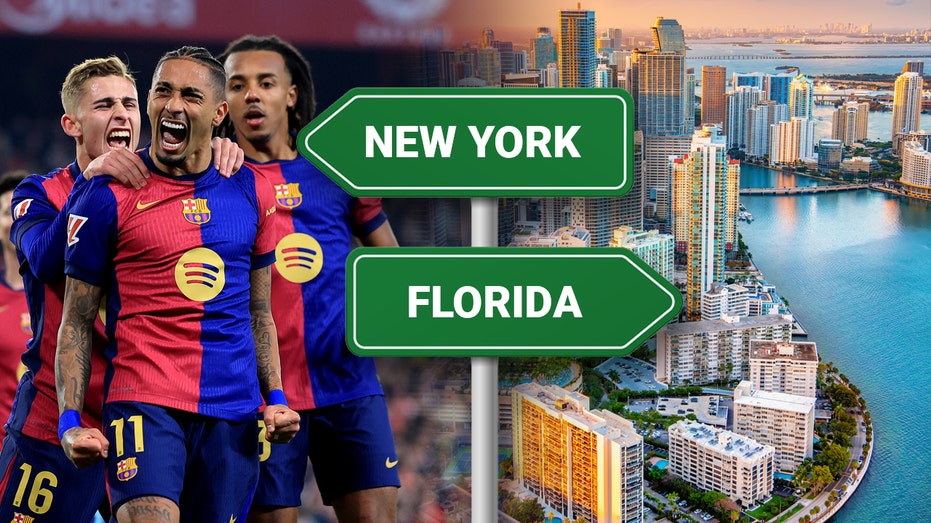
Florida keeps stealing thunder from traditional power centers, and now even global clubs are placing bets. FC Barcelona’s move to open a U.S. headquarters in Miami is more than a change of address; it is a high-profile endorsement of the state’s business-friendly gravity. For a brand as storied as Barca to choose Miami over New York suggests the future of sports commerce is tilting toward tax-efficient, fast-growth hubs. The FC Barcelona Miami office is not just about sunlit pitches; it is about boardrooms, sponsorship pipelines, and a growing Latin American corridor that New York can no longer monopolize.
- Barca’s Miami pivot underscores Florida’s rise as a global sports and media hub.
- Leaving New York highlights how taxes and regulation now influence where clubs scale revenue.
- Miami’s proximity to Latin America positions Barca to court sponsors and fans faster.
- Expect other teams to rethink legacy office locations as costs and growth priorities shift.
Why the FC Barcelona Miami office matters for the club’s balance sheet
The club’s decision is a calculated revenue play. Florida’s lack of state income tax and streamlined permitting reduce operational drag, letting Barca reinvest in talent, digital fan experiences, and U.S. activations. Miami’s investor base is thick with crypto, private equity, and real estate capital eager for sports partnerships. By planting a headquarters in the same time zone as Sao Paulo and only a short hop from Mexico City, Barca can broker sponsorship deals without the friction of New York overhead.
“When a legacy club follows capital instead of tradition, it signals a new era of sports pragmatism.”
That pragmatism is also about recruiting. Executives and marketing talent often prefer Miami’s cost structure and lifestyle. Lower payroll taxes stretch budgets, while a rising talent pool from Latin America and Europe already calls South Florida home.
New York’s aura meets Miami’s momentum
New York remains the media capital, but post-pandemic commercial real estate prices and regulatory complexity make it a tougher sell. Barca’s exit dents New York’s claim to be the default U.S. HQ for global sports brands. Miami, meanwhile, has stacked wins: Formula 1’s Miami Grand Prix, Messi’s arrival at Inter Miami, and a surge of sports-tech startups. Each victory compounds the city’s narrative as the place where sports, entertainment, and fintech now intersect.
“Every marquee tenant that leaves Manhattan hands Miami another proof point that the center of gravity is moving.”
Barca’s choice also mirrors a wider migration of hedge funds, media shops, and tech firms to South Florida. When capital and content live in the same zip code, deal velocity accelerates. Barca can test pop-up retail, host fan festivals, and roll out Web3 collectibles with partners who are already experimenting nearby.
How Barca will weaponize Florida’s business climate
Faster sponsorship cycles
With fewer regulatory hoops, Barca can spin up partnerships in weeks instead of months. Brands targeting Hispanic and Latin American audiences gain a direct line through Miami’s media ecosystem, reducing the cost per engagement.
Experiential playbook, Miami edition
Expect more pre-season friendlies, training camps, and youth clinics staged in South Florida. The region’s stadium infrastructure and tourism-heavy economy make it easy to fill seats and sell premium experiences without the winter lull that plagues northern markets.
Digital commerce from a new hub
Miami’s startup scene gives Barca immediate collaborators for AR merch drops, mobile ticketing, and localized content streams. By aligning with local dev shops, Barca can prototype faster and push updates without the lag of bicoastal coordination.
Risks in the play
Florida’s boom could cool if real estate overheats or if policy shifts diminish its tax edge. Concentrating U.S. strategy in one city may also limit access to Madison Avenue relationships that still command premium ad dollars. Barca must prove that Miami’s energy can translate into sustained revenue, not just headline buzz.
“Winning in Miami requires more than palm trees; it demands disciplined execution and local fluency.”
There is also competitive pressure. Inter Miami’s rise and MLS expansion will fight for fan wallets. Barca must differentiate with heritage, player access, and content that resonates beyond Messi fandom.
Why this pivot sets a template for global clubs
By prioritizing tax efficiency, cultural proximity to Latin America, and a collaborative tech scene, Barca offers a blueprint for clubs chasing growth without burning cash in legacy cities. Expect more teams to adopt a hub-and-spoke model: keep a small New York showroom for advertisers, but anchor operations where costs are lighter and capital is abundant.
For Miami, each new tenant compounds its magnetism. For New York, each departure is a reminder that prestige alone cannot offset policy friction. Barca’s move is not an anomaly; it is a signal that the geography of sports business is being rewritten in real time.
What happens next for the FC Barcelona Miami office
The near-term watchlist is simple: how quickly Barca signs fresh U.S. sponsors, whether it launches a branded training center, and if youth academies sprout across Florida. The club also has a chance to leverage Miami’s multicultural festivals and tech conferences to embed itself in the city’s calendar. If those bets pay off, expect a cascade of copycats from Europe’s elite.
The long game is bolder. With a foothold in Miami, Barca can steer media rights negotiations, test dynamic pricing with local partners, and build data-driven fan programs that feed both ticketing and merchandising. That makes this move far more than a change of scenery. It is Barca scripting its next growth chapter in a market that currently loves risk-takers.
The information provided in this article is for general informational purposes only. While we strive for accuracy, we make no guarantees about the completeness or reliability of the content. Always verify important information through official or multiple sources before making decisions.