Flock Safety Faces the Real Test
Flock Safety Faces the Real Test
San Francisco has spent years as the cautionary tale for urban car crime: smashed windows, stolen backpacks, tourists learning the hard way not to leave anything visible. Now the numbers have swung dramatically in the other direction, and Flock Safety is at the center of a bigger argument over whether networked surveillance can actually make cities safer. The company’s automated license plate readers promise a deceptively simple fix: identify vehicles linked to crimes, alert police quickly, and shrink the getaway zone. But when crime plunges, credit is never clean. Policing tactics changed. Public behavior changed. Criminal markets changed. And the arrival of cameras creates its own civic bill, paid in privacy, oversight, and trust.
- San Francisco’s car break-ins have dropped sharply, prompting debate over how much credit belongs to
Flock Safetycameras. - Automated license plate readers can help investigators move faster, but correlation is not proof of causation.
- The core tradeoff is not simply safety versus privacy – it is measurable impact versus expanding surveillance infrastructure.
- Cities need transparent audits, retention limits, and clear rules before turning camera networks into permanent public utilities.
Why Flock Safety Became the Symbol of a Bigger Shift
The narrative is irresistible because it is tidy: San Francisco installs more automated license plate readers, police get real-time alerts, and car break-ins fall. For a city battered by viral crime clips and political pressure, that sounds like a software upgrade for public safety.
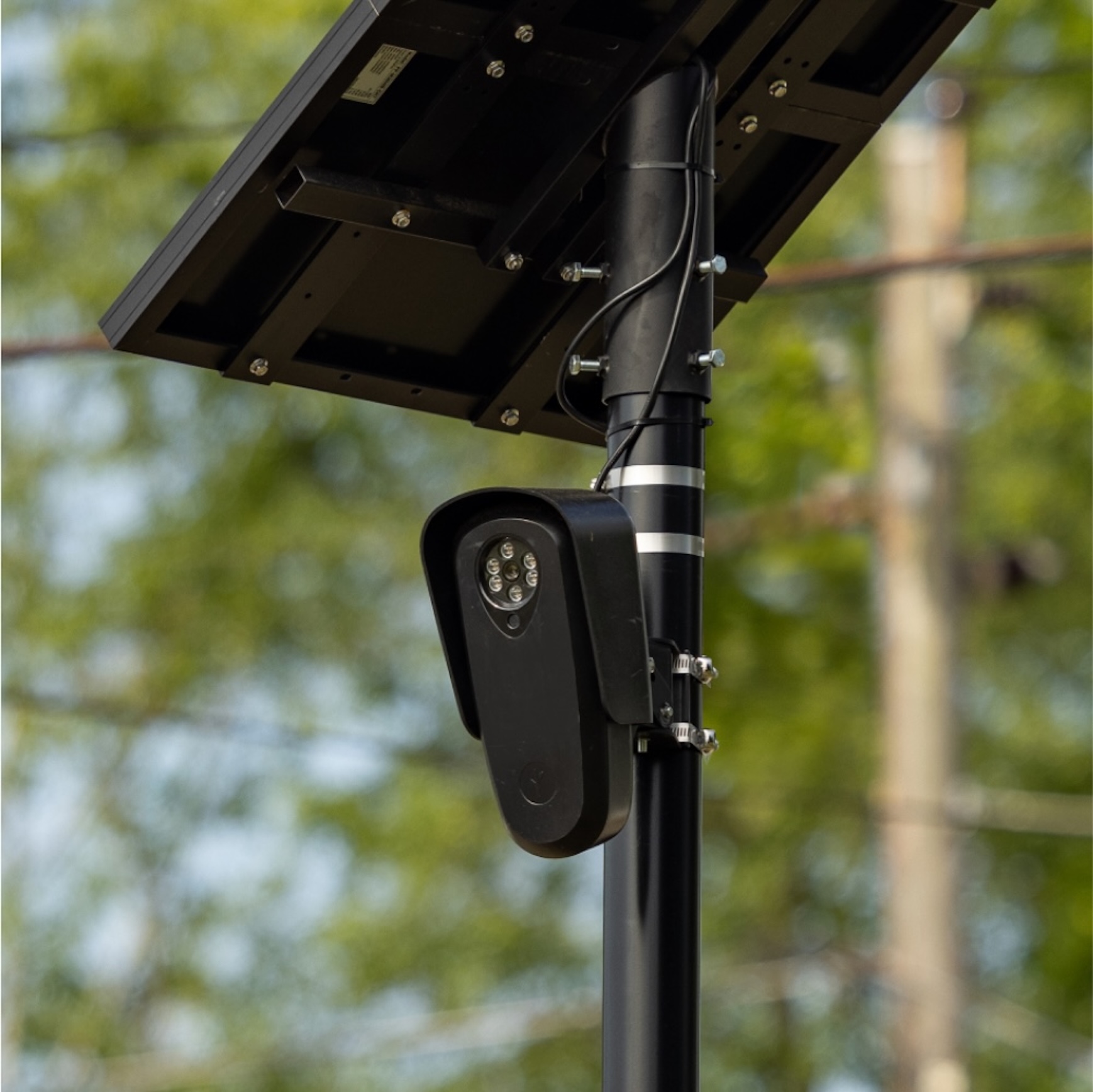
Flock Safety sells a system of fixed cameras that capture license plates and vehicle characteristics, then compare them against databases connected to stolen cars, wanted vehicles, and law enforcement alerts. The technology does not need a dramatic chase scene to matter. Its value is in pattern recognition, speed, and coordination. A car involved in one smash-and-grab can be spotted elsewhere. A stolen vehicle can trigger an alert before an officer manually searches a report. A regional crime pattern can become visible faster than old-school paperwork would allow.
That is the upside. The skepticism starts with the math.
When crime falls after a technology rollout, the first question should not be whether the tool worked. It should be what else changed at the same time.
Car crime is unusually sensitive to many variables: tourism patterns, police deployment, prosecution strategy, fencing markets for stolen goods, public awareness campaigns, and even the design of parking areas. A city can add cameras while also increasing enforcement, shifting patrols, cracking down on organized theft rings, and benefiting from offenders moving elsewhere. Any serious claim about impact has to separate those forces.
Flock Safety and the Causation Problem
The hardest part of evaluating Flock Safety is that its best stories are often anecdotal. A camera captures a plate. A suspect is found. A stolen car is recovered. Those cases are real and meaningful, especially to victims. But public policy cannot run only on highlight reels.
To know whether the cameras caused a citywide drop, analysts would need to compare similar neighborhoods, account for timing, examine enforcement changes, and look for displacement. Did car break-ins fall where cameras were installed more than where they were not? Did nearby areas without cameras see increases? Were arrests tied directly to camera alerts, or were cameras one input among many? Did the decline begin before deployment?
What the Cameras Actually Do Well
The strongest case for license plate reader systems is operational. They reduce friction in investigations. Instead of waiting for witness descriptions or manually checking scattered footage, police can query plate reads and vehicle sightings. In crimes where vehicles are central, that matters.
- Speed: Alerts can reach officers quickly when a wanted plate passes a camera.
- Coverage: Networks can connect sightings across neighborhoods and jurisdictions.
- Pattern detection: Repeat vehicles, routes, and time windows can become easier to identify.
- Evidence support: Camera data can corroborate other investigative leads.
But this is not the same as proving prevention. A tool can help solve crimes without being the primary reason fewer crimes occur. That distinction matters because prevention is the promise that justifies bigger deployments and bigger budgets.
Where the Evidence Gets Messy
Urban crime trends rarely move because of one intervention. If San Francisco car break-ins fell during a period of intensified policing, better coordination with prosecutors, public messaging about not leaving bags in cars, and changes in the resale market for stolen electronics, cameras may deserve partial credit but not the whole trophy.
There is also a reporting problem. If fewer tourists visit certain hotspots, reported break-ins may drop. If residents stop reporting low-dollar damage, official statistics may look better than lived experience. Conversely, high-profile enforcement can increase reporting confidence. Clean data is harder than dashboards make it look.
The Privacy Cost of Always-On Plate Data
The civil liberties concern is not that a single camera sees a car on a public street. People have long been visible in public. The issue is scale, searchability, retention, and sharing. A scattered glimpse becomes a searchable movement history when thousands of cameras feed centralized systems.
Flock Safety and similar vendors often emphasize that their cameras track vehicles, not faces. That is an important limitation, but it is not a privacy cure-all. Vehicles can reveal where people worship, work, protest, seek medical care, or spend the night. Location data does not need a name attached to be sensitive.
The policy question is no longer whether a police officer can see a license plate. It is whether a city should create a long-term, searchable map of vehicle movement by default.
This is where governance becomes the product. Cities considering camera networks need more than vendor assurances. They need written limits on who can search the data, what crimes justify access, how long records are stored, when data can be shared, and how misuse is punished.
What Cities Should Demand Before Expanding Flock Safety
The lesson from San Francisco should not be blind adoption or reflexive rejection. It should be disciplined deployment. If cities are going to use automated license plate readers, they should treat them like critical civic infrastructure, not just another subscription.
1. Measure Outcomes, Not Press Releases
City leaders should require independent analysis before and after deployment. That means comparing camera and non-camera zones, publishing methodology, and tracking specific outcomes like car break-ins, vehicle thefts, recovery rates, arrests, clearance rates, and complaints. A falling crime chart is not enough.
2. Set Short Data Retention Windows
Retention is the difference between a targeted safety tool and a broad surveillance archive. Unless data is tied to a specific investigation, cities should keep plate records for the shortest practical period. Longer retention demands stronger justification and public approval.
3. Restrict Use by Crime Type
If cameras are sold as a response to car break-ins and stolen vehicles, their use should not quietly expand to low-level offenses or broad intelligence fishing. Mission creep is not a hypothetical risk. It is the default path of powerful databases without firm rules.
4. Audit Access and Publish Reports
Every search should be logged. Agencies should publish regular transparency reports showing how often the system is used, for what categories of cases, how many alerts led to enforcement action, and how many searches violated policy.
5. Review Vendor Contracts Like Public Policy
Procurement is governance. Contract terms determine data ownership, sharing permissions, cybersecurity duties, and termination rights. Cities should not let boilerplate software agreements decide the boundaries of public surveillance.
Why This Matters Beyond San Francisco
San Francisco is a national signal because it combines high crime visibility, deep tech politics, and intense privacy expectations. If camera networks can claim success there, other cities will notice. Mayors under pressure will see a tool that appears concrete, deployable, and easier to explain than the slow work of housing policy, addiction treatment, court reform, and economic development.
That is both the opportunity and the danger. Public safety technology can be useful. It can also become a shortcut that lets officials avoid harder institutional fixes. Cameras may help police catch repeat offenders, but they do not repair broken case processing, understaffed departments, social disorder, or the economics of theft.
The future likely belongs to hybrid models: targeted surveillance tools combined with smarter deployment, better data sharing, environmental design, and prevention programs. The winners will be cities that ask narrow questions. Where is the specific crime problem? What evidence supports this tool? What safeguards exist? What result would prove it is not working?
The Bottom Line on Flock Safety
Flock Safety deserves attention because it sits at the intersection of two urgent demands: people want safer streets, and they do not want to sleepwalk into permanent surveillance. San Francisco’s plunge in car crime makes the company’s pitch more powerful, but also raises the standard of proof. If the technology works, it should survive rigorous measurement. If it does not, cities should not pay for a feeling of control.
The smartest position is neither techno-utopian nor anti-police absolutist. It is evidence-first. Use the cameras where the problem is clear. Limit the data. Audit the searches. Publish the results. Then keep asking whether the public is getting safety, not just more sensors.
The information provided in this article is for general informational purposes only. While we strive for accuracy, we make no guarantees about the completeness or reliability of the content. Always verify important information through official or multiple sources before making decisions.