Flyby Sparks Airline Backlash
Flyby Sparks Airline Backlash
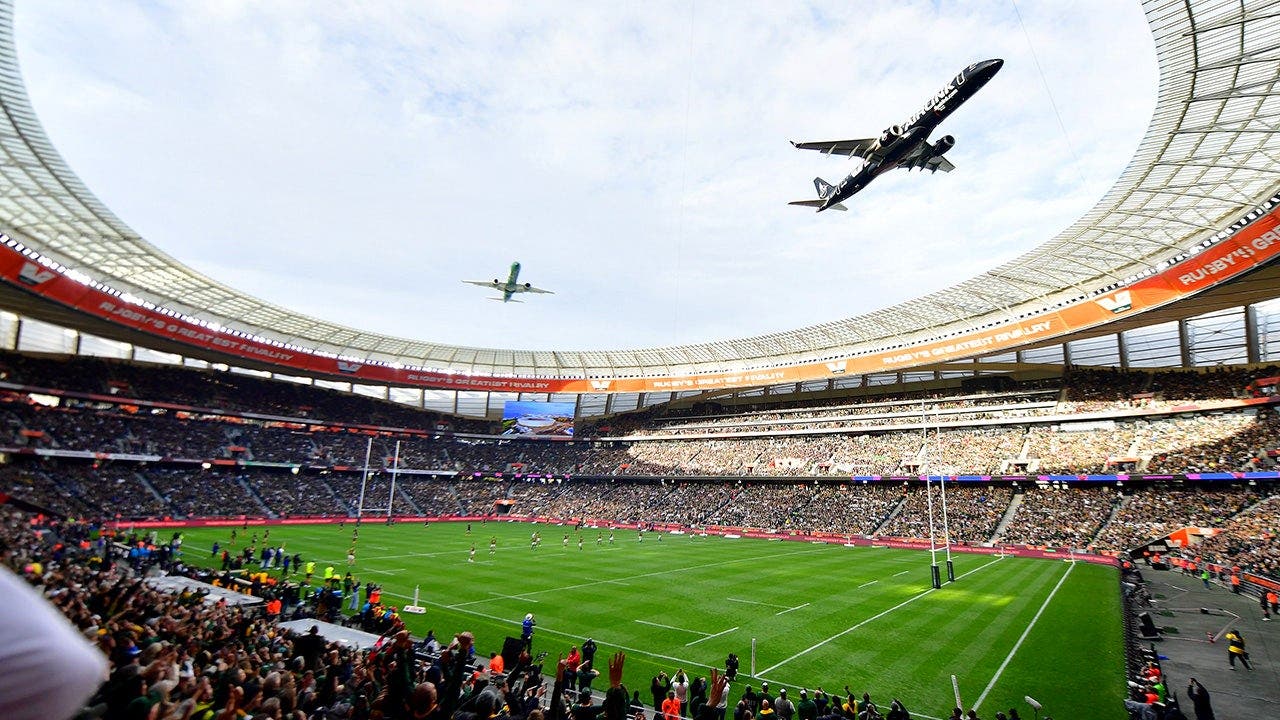
A low-level flyby was supposed to be a crowd-pleasing salute. Instead, it became a case study in how quickly spectacle can turn into scrutiny. When an airline defends a dramatic pass over a rugby venue, the conversation is no longer just about timing or tradition. It is about risk, responsibility, and whether the chase for a viral moment now outruns common sense. For the springboks flyby debate, the stakes are bigger than one stunt before one match. They touch aviation safety culture, sports marketing, public trust, and the uncomfortable reality that modern brand theater can create reputational fallout faster than applause. That is why this incident matters: it sits exactly at the intersection of entertainment and operational discipline, where one bold gesture can look either patriotic or reckless depending on where you stand.
- The
springboks flybyturned a pre-match spectacle into a safety and branding debate. - Airlines face rising pressure to balance visibility with operational restraint.
- Sports events increasingly reward high-impact moments, but they also magnify mistakes.
- The real issue is not whether the crowd liked it, but whether the risk was worth it.
- This controversy could reshape how teams and sponsors plan future live-event stunts.
Why the springboks flyby hit a nerve
Sports audiences are used to pageantry. Flags, pyrotechnics, helicopters, jets, and synchronized tributes are now part of the entertainment package. But the springboks flyby crossed into a more sensitive zone because it was described as dramatic and low-level, which immediately raises two questions: who approved it, and how close is too close? That tension is exactly why the story spread so quickly. A routine ceremonial pass would have faded into the background. A visibly aggressive one invites debate from pilots, safety experts, rugby fans, and anyone who has ever watched a clean brand moment turn into a liability problem.
For airlines, this is a familiar trap. Visibility is valuable, but visibility without restraint can become a headache. A stunt that seems harmless in the moment may look different once clips are replayed, analyzed, and stripped of atmosphere. In a hyper-connected media cycle, the audience is not just the stadium. It is everyone with a phone, a timeline, and an opinion.
When spectacle is the product, the margin for error shrinks fast. The more dramatic the moment, the more aggressively it gets audited afterward.
What the airline is really defending
On the surface, the airline is defending a single flight maneuver. Underneath, it is defending a decision-making culture. That matters because airlines do not operate on adrenaline. They operate on procedures, permissions, weather checks, route planning, and risk tolerances. If a low-level pass was executed, the company must show that it was not a reckless flourish but a controlled act aligned with operational standards.
This is where public perception can become unforgiving. Even if every internal box was checked, the visual impression can still be damaging. Low altitude looks dramatic because it feels close. That feeling is powerful. It makes people wonder whether the stunt was engineered for applause rather than safety. For a brand, that suspicion can be costly, because trust in aviation is built on the opposite of theatrics: precision, predictability, and humility.
Brand theater and the trust gap
Modern sponsorships increasingly ask brands to do more than place a logo on a jersey. They want activations, immersive experiences, and moments that travel beyond the venue. That push has led to some unforgettable campaigns, but it also creates a trust gap. Audiences are savvy now. They can tell the difference between a polished tribute and a manufactured stunt. The springboks flyby sits on that fault line.
If a brand appears to chase attention at the expense of restraint, the backlash can outlast the clip. The irony is that aviation brands usually benefit from an aura of competence. When they lean too hard into drama, they risk undermining the very image that makes them credible.
The springboks flyby and the logic of live sports spectacle
Live sports are built on momentum. Producers want unforgettable moments because they drive broadcast engagement, social sharing, and emotional intensity. That is why pre-match ceremonies keep getting bigger. A flyby can elevate a match from a game into an event. But the economics of attention are brutal: the same visual that electrifies a crowd can trigger backlash in the next news cycle.
The springboks flyby is a textbook example of how live-event production has become a balancing act. Organizers want scale. Sponsors want buzz. Broadcasters want replay value. Safety teams want clean margins. Those goals are not always compatible. In fact, they often collide.
Why this keeps happening
The answer is simple: spectacle works. It gets attention, and attention is currency. But the more a pre-game moment is optimized for shock and wonder, the more fragile it becomes. There is always a point where the desire to impress starts borrowing from the buffer that keeps the whole operation sensible.
That is why event planners should be thinking less about the biggest possible moment and more about the safest memorable one. A measured display can still feel powerful. It just does not need to flirt with controversy to achieve it.
What sports brands should learn now
There are practical lessons here for airlines, teams, sponsors, and event planners. The first is that approval is not the same as perception. The second is that a successful stunt is only half the job. The post-event narrative matters just as much.
- Build a clear risk narrative: If a stunt is going to be bold, explain why it was safe and necessary.
- Separate spectacle from spectacle for its own sake: Ask whether the moment adds meaning or just volume.
- Plan for social media analysis: Assume every angle will be slowed down, zoomed in, and judged.
- Protect the brand halo: Aviation brands trade on trust, so even successful theatrics need discipline.
- Keep the audience in mind: Fans may love the drama, but regulators and safety-conscious viewers will ask harder questions.
A strong pre-event approval process should include not only operations staff but also communications teams and senior leadership. That is because the story does not end when the aircraft lands. It ends when the public decides what the event meant.
In an era of instant replay and permanent clips, a live stunt is no longer a moment. It is a record.
Why the controversy matters beyond rugby
It would be easy to dismiss this as a one-off sports story. That would miss the larger pattern. Across sectors, organizations are leaning harder into live, high-emotion experiences to win attention. Airlines sponsor teams. Tech brands stage launches like concerts. Consumer companies chase viral-worthy activations. The logic is the same: if people feel something, they remember the brand.
But emotional resonance is not free. The more intense the moment, the more likely it is to trigger questions about governance, safety, and taste. The springboks flyby highlights a broader shift in how institutions are judged. They are not only evaluated on what they do, but on how responsibly they do it under pressure.
That shift is especially relevant in aviation, where public confidence is tied to the idea that professionals do not improvise on safety. Even a well-executed low flyby can feel unsettling if it appears to prioritize drama over discipline. For that reason, companies should treat ceremonial performance as a governance issue, not just a creative one.
How organizers can do better next time
If the goal is to create a memorable sports moment without inviting unnecessary criticism, the solution is not to eliminate spectacle. It is to design it with more restraint. That means using the right aircraft profile, communicating the intent clearly, and ensuring every stakeholder understands the acceptable limits before the wheels leave the ground.
- Choose clarity over surprise: Surprise can thrill fans, but clarity protects the brand.
- Use a conservative envelope: When the audience is cheering, the safest option is often the smartest one.
- Coordinate messaging early: If you expect scrutiny, have a response ready before the first clip appears online.
- Measure success beyond applause: A good event is one that delights the crowd and survives the post-event audit.
The deeper lesson is that modern sports branding should optimize for durable memory, not just immediate noise. The smartest spectacle is the one that still looks wise after the adrenaline fades.
The bottom line on the springboks flyby
The springboks flyby controversy is not really about whether people were impressed. It is about whether the impression was worth the risk of appearing careless. That distinction is becoming more important as sports, aviation, and media continue to merge into one attention economy. The brands that win in that environment will not be the loudest ones. They will be the ones that understand the difference between a memorable gesture and a defensible one.
That is the real test now. Not whether the crowd cheers, but whether the moment can stand up to scrutiny once the noise dies down.
The information provided in this article is for general informational purposes only. While we strive for accuracy, we make no guarantees about the completeness or reliability of the content. Always verify important information through official or multiple sources before making decisions.


