Fringe Actor Ignites Israels Post Oct 7 Cinema Reckoning
Fringe Actor Ignites Israels Post Oct 7 Cinema Reckoning
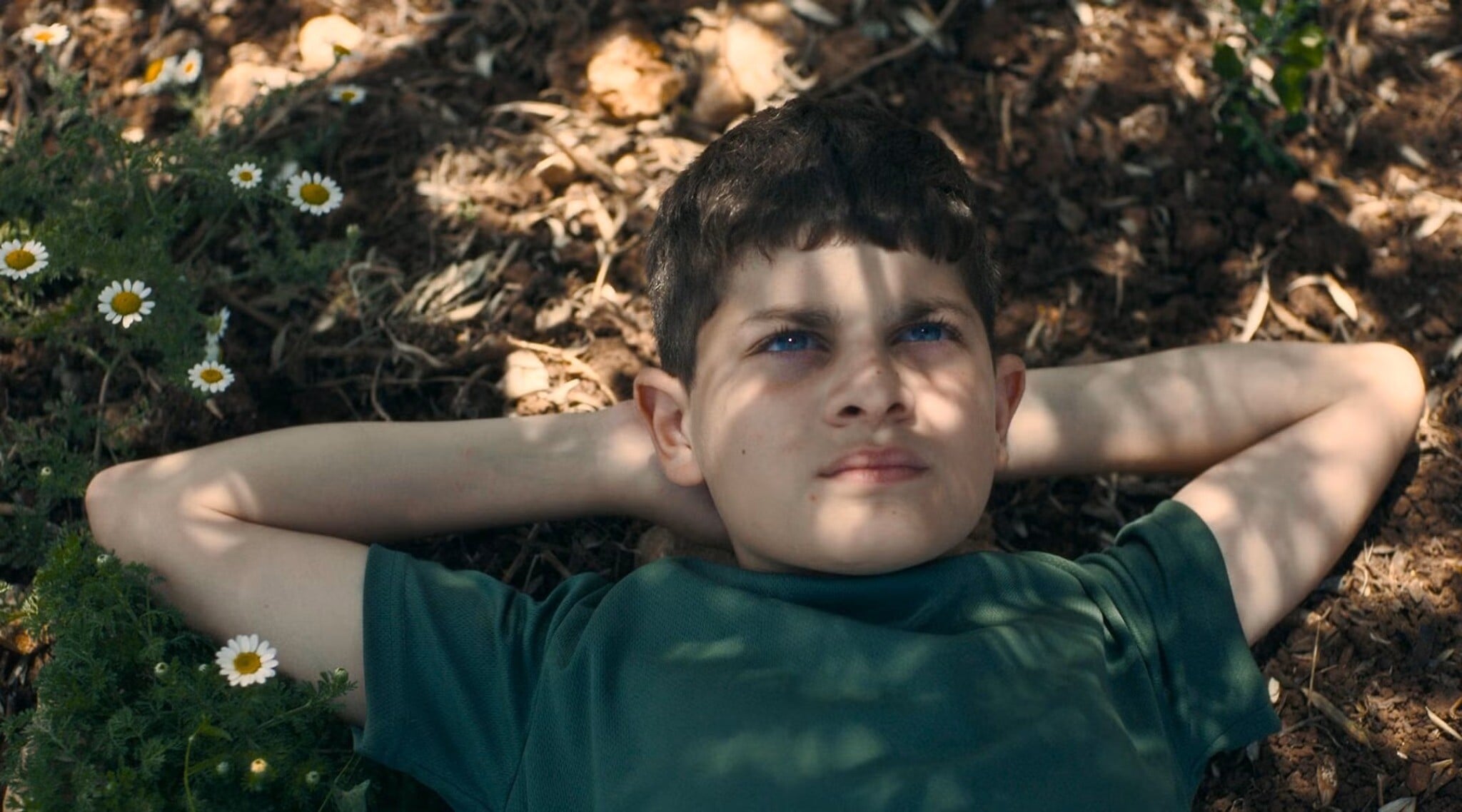
Israeli film controversy is no longer an abstract headline; it is a lived crisis captured in the glare of a fringe actor suddenly elevated to leading-man status. Post-Oct 7 trauma still runs hot, and audiences are desperate for stories that feel less sanitized and more painfully real. Into that need steps a guerrilla-style drama that uses handheld grit and documentary energy to interrogate loyalty, loss, and the thin line between resistance and exploitation. The film’s unlikely star carries a career of theater side gigs, now thrust into a national conversation about who gets to frame collective grief and why independent cinema might be the last honest mirror.
- The film weaponizes intimacy to test how far viewers will follow an outsider into moral gray zones.
- Production choices favor raw realism over glossy spectacle, signaling a post-Oct 7 shift in Israeli storytelling.
- The fringe actor’s ascent spotlights the tension between mainstream gatekeepers and underground creatives.
- Industry fallout hints at new funding models and censorship flashpoints in regional cinema.
Breaking the Frame: A Story Born From Heat, Not Harmony
The director steers clear of safe arcs, instead layering scenes where soldiers, civilians, and artists collide inside cramped apartments and checkpoint corridors. The camera lingers on sweat, dust, and unsentimental silence, rejecting the polished framing that once defined festival-bound Israeli exports. This isn’t a tidy parable; it’s a test of how audiences metabolize pain when the nation still counts its losses in days, not decades.
Editorial stance: This film refuses closure; it demands that viewers sit with unresolved grief rather than rush to reconciliation.
That choice is why the fringe actor’s performance lands. His voice cracks, not for effect, but because the script allows uncertainty to stay unvarnished. The character isn’t heroic or villainous; he is an unreliable narrator whose fear and bravado swing scene by scene. The result: a magnetic discomfort that keeps the tension live.
How the Israeli film controversy reframes grief
The Israeli film controversy fueling the discourse centers on representation. Who owns the narrative of loss? The film challenges the usual binaries by casting an outsider as the moral hinge. It sidesteps patriotic cues, instead letting conflicting testimonies coexist: a bereaved parent demanding justice, a soldier seeking absolution, and an activist warning against weaponized memory. The film treats each voice as conditional truth, not canon.
By leaning into ambiguity, the director makes space for viewers to confront their own positions. That approach irritates critics who want a definitive stance, yet it mirrors the country’s fractured reality. It also reveals how art can process trauma faster than institutions can legislate it.
A performance built on fracture
The lead actor shapes the role through micro-reactions: the way he grips a wall when sirens wail, the flinch when confronted by someone he may have wronged. He plays exhaustion like a metronome, syncopating every exchange with breath-heavy pauses that feel dangerously spontaneous. It’s theater craft repurposed for the jittery cadence of cinema verite.
Key insight: Casting outside the mainstream injects unpredictability that scripted polish can’t simulate.
Production Tactics That Rewrite the Rulebook
The crew kept a minimal footprint, relying on natural light, long takes, and a skeletal script that invited improvisation. Sound design leans on field recordings rather than studio layers, making every door slam and radio crackle feel live. The edit favors hard cuts, creating a tempo closer to news footage than prestige drama. This technical spine is deliberate: it keeps the film near the texture of lived experience, resisting the temptation to romanticize conflict.
Finance was equally scrappy. Instead of major backers, the team stitched together grants, micro-funding, and in-kind support from collectives tired of waiting for institutional approval. The payoff is creative sovereignty – no soft notes from advertisers, no obligatory patriotic framing.
Blockers and breakthroughs
Censorship boards reportedly pushed for cuts, especially around scenes that blur civilian-military lines. The director refused, betting on festival buzz to shield the final cut. Early screenings validated the gamble: standing-room crowds, polarized Q&As, and a wave of op-eds arguing the film either dignifies dissent or exploits sorrow.
Why this Israeli film controversy matters now
Israel’s cultural sector is recalibrating. Streaming platforms crave quick turnarounds, yet audiences want authenticity, not content mills. This film sits at that crossroads, proving that micro-budget productions can command national attention if they strike the right nerve. It also signals to global distributors that post-conflict stories aren’t static; they evolve as fast as the headlines.
For artists, the message is sharper: you don’t need permission to capture the present tense. For policymakers, it’s a warning that narrative control is porous. For viewers, it is an invitation to hold discomfort without demanding resolution.
Industry takeaway: The next wave of Israeli cinema will likely privilege immediacy over consensus, and that shift will unsettle both gatekeepers and audiences.
Future Shock: What Comes After the Spotlight
The fringe actor’s sudden visibility will alter casting equations. Expect more directors to scan theater collectives and fringe festivals for performers who bring raw volatility over star power. Funding bodies may also loosen criteria to capture lightning-in-a-bottle projects before the cultural moment cools.
On the audience side, appetite for stories that embrace moral complexity is growing. Viewers are signaling they are done with sanitized conflict narratives; they want proximity to the messy now. That pressure will challenge studios to balance risk and reach, possibly opening lanes for co-productions that let directors retain creative control while broadening distribution.
Pro tips for creators eyeing similar terrain
- Use lean crews to maintain agility; fewer bodies mean faster pivots when scenes shift.
- Build trust with communities before rolling cameras to avoid extractive storytelling.
- Leverage festival deadlines as forcing functions to keep edits honest and immediate.
- Protect the cut with transparent agreements that limit backer veto power.
Ultimately, this film’s legacy may be its refusal to let trauma calcify into tidy myth. By centering an unpolished performer and embracing narrative risk, it models a pathway for post-crisis art that honors complexity instead of erasing it. That, more than any box-office figure, is why this moment matters.
The information provided in this article is for general informational purposes only. While we strive for accuracy, we make no guarantees about the completeness or reliability of the content. Always verify important information through official or multiple sources before making decisions.