Garys Power Outage Exposes Grid Fragility
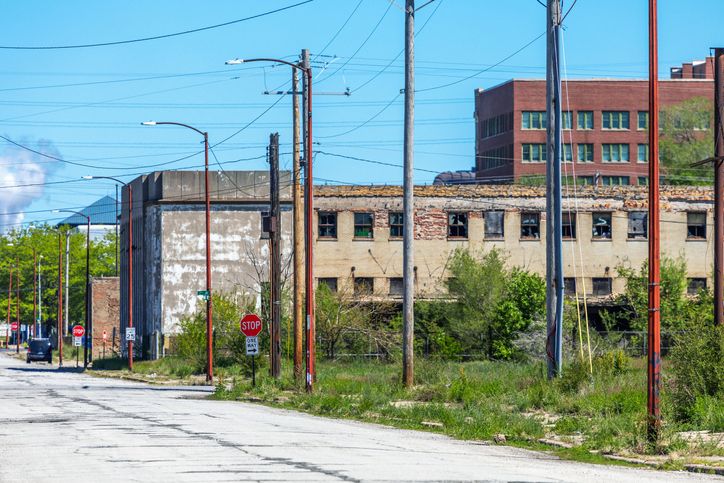
Garys Power Outage Exposes Grid Fragility
An 11-day power outage is not just an inconvenience. It is a stress test for every assumption a city makes about modern life. In Gary, Indiana, residents were left navigating dark homes, spoiled food, disrupted work, and the quiet panic that comes when a utility failure stops feeling temporary. The incident is a reminder that grid resilience is no longer a niche engineering concern. It is a public-safety issue, a business continuity issue, and a basic governance issue. When power stays off for days, the damage compounds fast: communication breaks down, local commerce stalls, and trust in infrastructure erodes. What happened in Gary should make utilities, city leaders, and regulators uncomfortable for a simple reason: long outages are becoming harder to dismiss as rare exceptions.
- An 11-day outage turns a routine utility problem into a civic crisis.
- Grid resilience is now a core public-interest issue, not just an engineering metric.
- Long-duration outages hit households, small businesses, and essential services differently.
- Utilities face rising pressure to modernize aging infrastructure and response systems.
- The bigger lesson is about preparation, transparency, and faster restoration timelines.
Why the Gary Indiana power outage matters
The Gary Indiana power outage matters because it exposes the gap between how infrastructure is supposed to behave and how it actually behaves under strain. Most people think about outages in hours. Once a blackout stretches into days, the problem expands into a chain reaction. Refrigerators fail. Phones lose charge. Medical devices become harder to manage. Workers who depend on internet access fall behind. Restaurants lose inventory. Schools and local agencies scramble to keep services running.
That is the real lesson here: power is not a background utility. It is the operating system of a city. And when that system fails for 11 days, the costs are not evenly distributed. Households with backup generators can cushion the blow. Lower-income residents often cannot. Small businesses may not survive the revenue loss. Elderly residents and people with medical needs are forced into emergency planning they were never given time to make.
Long outages are never just about electricity. They reveal whether a city has redundancy, communication discipline, and the political will to fix weak infrastructure before it fails again.
The anatomy of a long outage
A prolonged outage usually begins with a specific technical failure, but the visible crisis is often the result of multiple breakdowns layered on top of one another. In a case like the Gary Indiana power outage, the public sees only the symptom: darkness. Behind it, utilities may be dealing with damaged lines, transformer failures, downed equipment, access issues, or restoration bottlenecks that slow crews from moving quickly enough.
Aging infrastructure is the silent culprit
Many U.S. cities operate on infrastructure built for a different era. Distribution systems, substations, and local hardware may still function, but often with reduced tolerance for weather swings, overloads, and delayed maintenance. The challenge is not only replacing old equipment. It is replacing it while keeping service reliable for millions of customers. That is expensive, politically messy, and easy to defer until a visible failure forces attention.
Restoration is harder than it looks
People often assume utility crews can simply “flip a switch” and restore power. In reality, restoration is a staged process. Crews need to locate the fault, isolate affected areas, verify safety, repair or replace damaged components, and then bring service back in a controlled sequence. If multiple parts of the network fail, or if access to the damage is difficult, timelines can stretch dramatically. Every hour of delay increases the public frustration and the risk of secondary damage.
What residents experience during the Gary Indiana power outage
The human side of the Gary Indiana power outage is where the numbers become real. For residents, the first day feels annoying. By day three, routines collapse. By day seven, the outage starts to reshape behavior. People change where they sleep, when they cook, how they charge devices, and whether they can safely stay home at all.
Food preservation becomes one of the first major losses. Internet routers go dark. Home offices become unusable. Air conditioning or heating failures can turn livable spaces into hazards, depending on the season. Some residents rely on shared spaces, churches, or relatives for power access. Others have no easy fallback. The longer an outage drags on, the more it becomes a test of social support networks as much as infrastructure.
Pro tip: any city vulnerable to a multi-day outage should assume residents will need access to charging stations, cooling or warming centers, and clear status updates within hours, not days.
Why utilities keep getting judged harder
Public tolerance for outages has dropped for one simple reason: people know more is possible now. Utilities have access to better sensors, better mapping tools, faster field communications, and more sophisticated load management than they did a decade ago. So when an outage lasts 11 days, the public naturally asks whether the response was as strong as it could have been.
This is where the story moves beyond one city. Across the country, utilities are being pushed to modernize in multiple directions at once. They must harden transmission and distribution systems, improve storm response, defend against cyber risk, and still keep prices politically acceptable. Those goals often collide. A resilient grid costs money. Delaying upgrades also costs money, but the bill arrives later and with less warning.
The new standard is faster visibility
One of the biggest shifts in utility expectations is transparency. Residents do not just want power back. They want to know what happened, what is being fixed, and when they can expect change. Modern outage response requires more than repair teams. It requires real-time communication, better estimated restoration windows, and systems that can update those estimates as conditions change.
When communication lags, anger fills the gap. That is especially true when customers feel they are being asked to endure a prolonged outage without a clear explanation. Trust breaks faster than hardware does.
What the Gary Indiana power outage says about resilience planning
The lesson from the Gary Indiana power outage is not simply that cities need stronger wires. They need a broader resilience plan. That means preparing for the aftermath of failure, not just trying to avoid failure entirely. The best systems assume disruption will happen and then limit how badly it can spread.
That approach includes several practical priorities:
- Backup power for critical sites such as shelters, clinics, and water systems.
- Microgrids or localized backup systems for essential neighborhoods or facilities.
- Better asset monitoring to detect equipment degradation before it becomes a citywide problem.
- Clear public messaging with frequent updates and realistic timelines.
- Mutual aid coordination so utilities can move crews and equipment faster during extended restorations.
These are not futuristic luxuries. They are the minimum standard for cities that expect extreme weather, aging infrastructure, and higher electricity demand to continue colliding. In that sense, the outage in Gary is a warning shot for every municipality sitting on deferred maintenance and optimistic assumptions.
The business impact goes far beyond households
Large outages hurt local economies in ways that are easy to underestimate. Small businesses lose daily revenue immediately, but they also absorb hidden costs: spoiled inventory, canceled appointments, staff disruption, and lost customer trust. For companies running on thin margins, a long outage can create a liquidity problem in a matter of days.
There is also a downstream effect on insurance claims, emergency response costs, and municipal spending. Cities may need to fund temporary support, cleanup, or crisis services. Utilities may face regulatory scrutiny, repair costs, and reputational damage. The broader economy pays too, because prolonged outages interrupt commerce, logistics, and labor productivity. A blackout is not a standalone event. It is an economic drag multiplier.
What comes next for cities and utilities
Expect more pressure for infrastructure investment, stricter reliability benchmarks, and louder demands for accountability. The political challenge is obvious: voters hate rate increases, but they also hate blackouts. Utilities and regulators will keep trying to balance those competing pressures, yet repeated long-duration outages make the status quo harder to defend.
For residents, the takeaway is practical. A city that has suffered a prolonged outage should treat it as a rehearsal for the next one. Households should think about battery backups, emergency charging, food safety plans, and communication alternatives. Local governments should review shelter capacity, generator access, and notification systems. Businesses should revisit continuity plans, especially if their operations depend on refrigeration, connectivity, or point-of-sale systems.
Bottom line: the real cost of an 11-day blackout is not measured only in lost electricity. It is measured in how much confidence a community loses in the systems that are supposed to keep life stable.
A warning the grid cannot ignore
The Gary Indiana power outage is a reminder that infrastructure failures are now judged through a much harsher lens. Residents want speed. Businesses want continuity. Cities want reliability without runaway costs. Utilities are stuck in the middle, but that is not an excuse for slow restoration or weak planning. The grid has entered an era where resilience, not just capacity, defines whether it can be trusted. If an 11-day outage can still happen, the next question is unavoidable: which city is next, and how ready will it be when the lights go out?
The information provided in this article is for general informational purposes only. While we strive for accuracy, we make no guarantees about the completeness or reliability of the content. Always verify important information through official or multiple sources before making decisions.