Gas Prices Hit Four Dollars And Rattle The Energy Playbook
Gas Prices Hit Four Dollars And Rattle The Energy Playbook
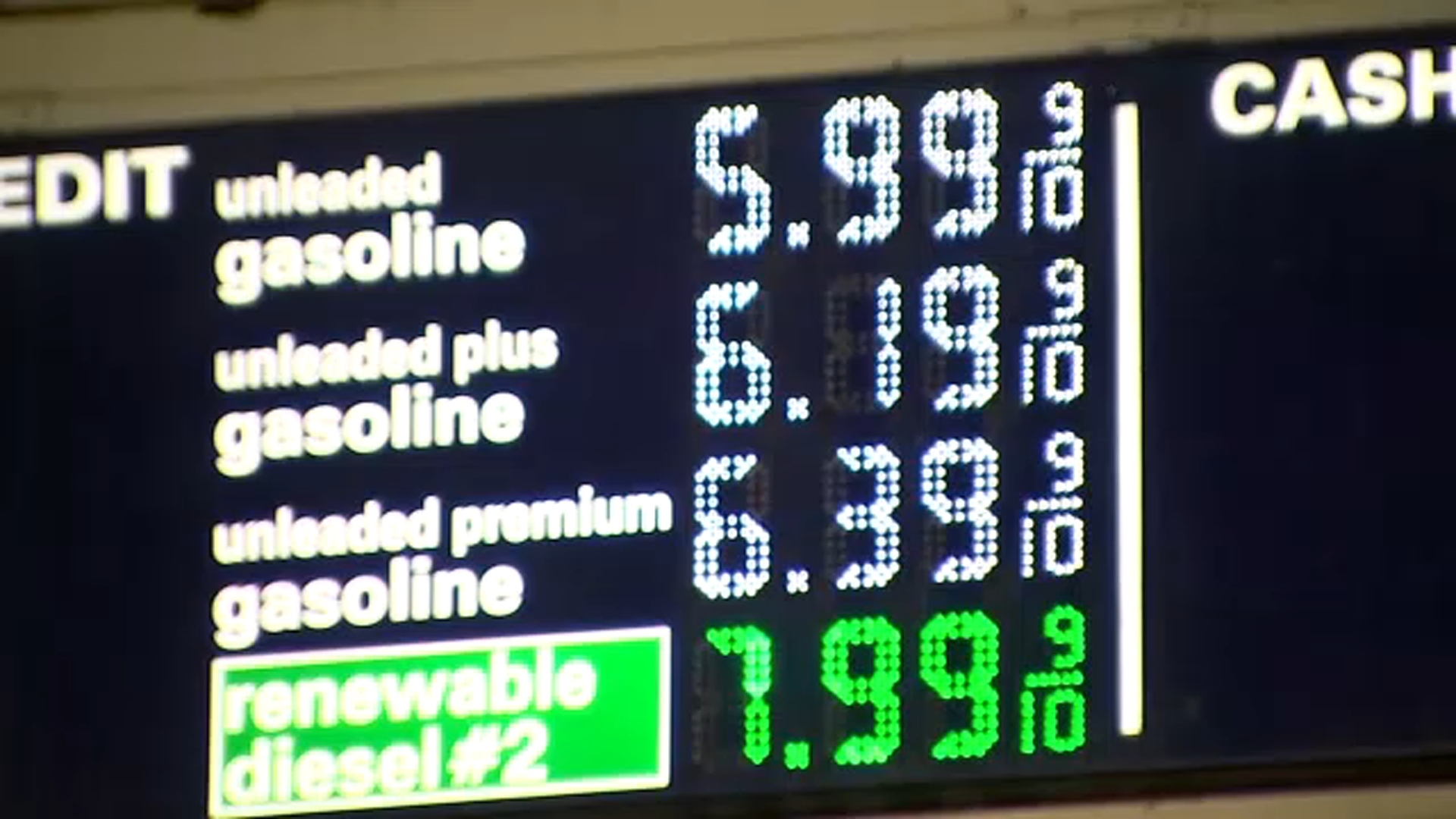
Gas prices are the new inflation villain again, vaulting past four dollars just as consumers thought they had breathing room. The spike underscores how exposed wallets remain to geopolitical jitters and refinery bottlenecks. For drivers already juggling rent hikes and grocery inflation, the return of expensive fuel is more than an annoyance: it is a force multiplier for every delivery fee and airline ticket. The headline number is stark, but the deeper story is how the energy system fails to cushion volatility when a single chokepoint flickers. The pain at the pump reveals the fragility of policy, the limits of strategic reserves, and the uneasy tension between energy transition rhetoric and real-world demand. Gas prices are once again the stress test no one wanted.
- Four-dollar gas is back, hitting budgets and inflation expectations in one swoop.
- Geopolitical supply scares and thin refining margins magnify every barrel disruption.
- Policy tools like the Strategic Petroleum Reserve are politically costly and slow.
- Electric vehicle adoption blunts demand growth but cannot mute short-term price shocks yet.
- Expect airlines, logistics, and consumer goods to feel margin pressure if prices stay elevated.
Why Gas Prices Keep Spiking
The jump above four dollars traces back to a familiar trifecta: tight supply, jittery traders, and limited spare refining capacity. Sanctions drama around Iran squeezes exports just as seasonal demand climbs. When the market senses risk to crude flows through key waterways, futures pricing moves first and fast. Traders price in worst-case scenarios, and retail follows with a lag. Meanwhile, refiners are running near capacity after maintenance season, so every unplanned outage stretches margins. The outcome: a brittle system where any ripple shows up on the marquee sign at your neighborhood station.
“The market is pricing fear, not just barrels,” notes one veteran energy analyst, pointing to how quickly spreads widened on rumor alone.
Gas prices remain the most visible inflation metric because they update daily and sit on street corners. That visibility magnifies consumer sentiment damage even before broader inflation data catches up. It also pressures central banks and fiscal policymakers to look reactive, not proactive.
Who Wins And Loses When Gas Prices Jump
When gas prices soar, oil producers and refiners capture windfall margins. Integrated majors can hedge with downstream profits, while independent refiners see crack spreads fatten. On the losing side: airlines, trucking fleets, delivery platforms, and any consumer-facing brand that cannot pass through costs quickly. Sticky pricing, especially in grocery and retail, means margins thin before price tags rise. Low-income households face regressive strain because fuel eats a larger share of disposable income, and transit alternatives are often limited.
Airlines And Logistics Under Pressure
Jet fuel tracks crude closely, so carriers quickly feel margin compression. Many hedge with futures, but not all coverage is perfect. Delivery giants face similar squeeze; their fuel surcharges soften the blow, yet customers notice higher service fees. Over time, operational efficiencies – route optimization, fleet modernization, driverless pilots – become survival strategies rather than nice-to-have projects.
Consumer Behavior Shifts
At four dollars, discretionary trips fall and carpooling ticks up. Hybrid and electric vehicle consideration rises, though supply constraints and financing costs temper conversions. Retail foot traffic skews toward closer stores, benefiting neighborhood grocers over big-box destinations. This micro-adjustment ripples into ad targeting, inventory allocation, and even staffing.
Policy Playbook: Tools With Tradeoffs
Every gas price shock revives talk of releasing barrels from the Strategic Petroleum Reserve. It sounds decisive but carries political and logistical costs. SPR releases are finite, take time to hit refineries, and can spook markets into betting that supply risks are worse than signaled. Another lever is easing seasonal fuel blend requirements, which can boost supply but risks local air quality standards. Waiving the Jones Act to allow foreign vessels to move fuel between U.S. ports is a perennial debate during emergencies, yet it collides with maritime labor politics.
“Policy makers keep reaching for the same tools, and each time the market calls their bluff faster,” says a former regulator, arguing for structural demand management.
Gas taxes are an untouchable third rail, but temporary holidays resurface whenever prices spike. The challenge: they are blunt instruments that erode infrastructure funding while offering only pennies of relief.
Transition Tension: EVs Versus Reality
The energy transition narrative promises insulation from oil shocks, but adoption curves take years. EVs are climbing in market share, yet charging infrastructure and upfront costs keep the combustion fleet dominant. Meanwhile, petrochemicals, aviation, and heavy trucking remain tethered to liquid fuels. The paradox is stark: policy signals push for rapid electrification while the current system still depends on stable oil flows. That tension makes gas prices a political heat check. High prices can accelerate EV curiosity, but if they persist, they can also spark backlash against perceived underinvestment in traditional energy supply.
Pro Tip: Watch Refinery Maintenance Windows
Investors and fleet managers should keep calendars on refinery turnaround seasons. Planned maintenance in spring and fall tightens supply just when demand ramps for driving or heating. Tracking crack spreads – the margin between crude and refined product prices – offers an early signal of pressure before retail prices spike.
Market Mechanics: How Futures Shape Your Pump Price
Retail gas prices reflect more than crude costs. Futures curves, basis differentials, and regional pipeline tariffs all roll into the final number. When traders fear disruptions, the Brent–WTI spread widens, and coastal markets pay a premium. Midcontinent regions might see smaller jumps if local crude remains trapped by pipeline capacity. Basis plays matter: a refinery outage in the Gulf Coast can elevate RBOB futures and ripple into East Coast prices within days.
Speculation often gets blamed, yet liquidity in futures markets also provides hedging that keeps suppliers solvent during shocks. The real fragility is physical: few refineries, long supply chains, and environmental blending rules that vary by region create chokepoints speculators merely price in.
Why This Matters Beyond The Pump
Gas prices act as a stealth tax on growth. Each sustained ten-cent increase can shave consumer spending elsewhere, especially in services. Inflation expectations hinge on visible prices; when drivers see four-dollar signs, they mentally price groceries and rent higher too. For the Federal Reserve, headline inflation driven by energy complicates rate decisions even if core metrics remain tame. For politicians, gas prices are a reelection litmus test. Expect fresh calls for domestic drilling, faster permitting for pipelines, and renewed scrutiny on refinery consolidation.
Future Outlook: What To Watch
Keep an eye on diplomatic signals around Iran and any naval incidents near critical shipping lanes. Monitor refinery utilization rates and unplanned outages. Watch the pace of EV incentives and the health of charging build-outs. If gas prices remain above four dollars into summer driving season, consumer confidence could slip just as retailers count on travel spending. Conversely, a rapid pullback in crude could ease prices, but without structural changes, the cycle is set to repeat.
“Energy stability is the new productivity metric,” argues a tech investor pushing for grid storage and distributed solar to blunt fossil volatility.
Action Plan For Businesses
Executives should model fuel sensitivity explicitly. Build scenarios where gas remains above four dollars for six months. Lock in hedges where appropriate, but balance with operational flexibility. Accelerate fleet upgrades to hybrids or EVs where total cost of ownership now favors electrification. Tighten logistics with route optimization software and revisit supplier locations to reduce transport miles. Communicate transparently with customers about surcharges to avoid surprise backlash.
- Audit fuel spend monthly and tie KPIs to efficiency gains.
- Use
data loggersto track driver behavior that wastes fuel. - Negotiate fuel clauses in contracts to share risk.
- Test micro-fulfillment hubs to shorten last-mile routes.
- Educate finance teams on
crack spreadtrends to forecast costs.
Bottom Line
Four-dollar gas is not just a headline; it is a stress test for the entire economic script. Until supply chains gain redundancy and policy tools evolve beyond symbolic releases, every flare-up in global hotspots will translate into higher signs at the pump. Businesses that treat fuel volatility as a permanent feature – not a temporary shock – will outmaneuver rivals. Consumers will keep seeking alternatives, whether through EVs, smarter trip planning, or shifting spending. The market has issued its reminder: energy risk is the macro story, and gas prices remain the loudest narrator.
The information provided in this article is for general informational purposes only. While we strive for accuracy, we make no guarantees about the completeness or reliability of the content. Always verify important information through official or multiple sources before making decisions.


