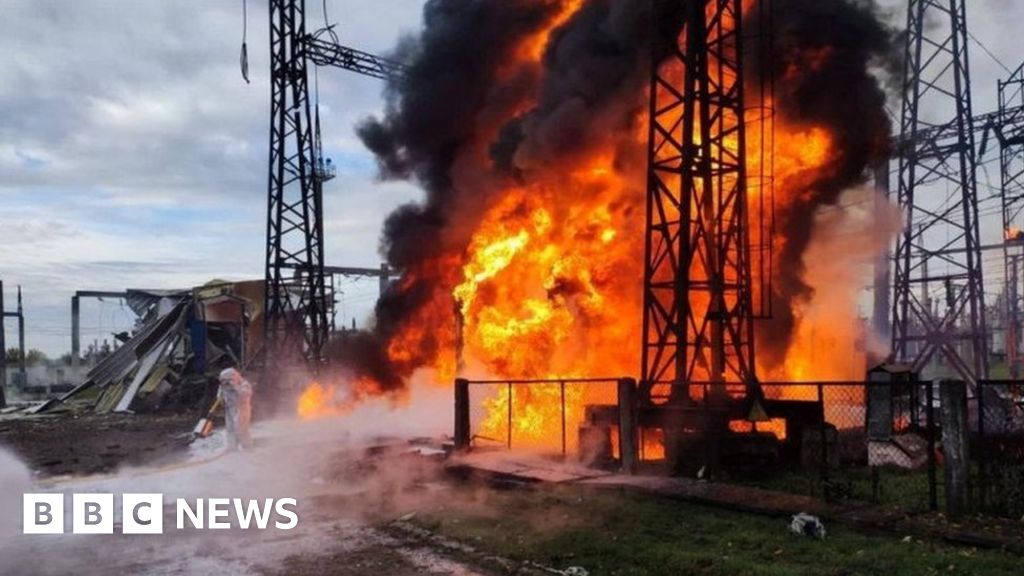
Georgia Wildfire Evacuations Expose a Bigger Threat
Georgia wildfire evacuations are a blunt reminder that the Southeast is no longer insulated from fast-moving fire risk. A dry stretch, a gusty afternoon, and the wrong fuel conditions can turn a roadside brush fire into a community-wide scramble before most people have time to think, let alone pack. That is why the story is not only about flames. It is about alerts that land fast enough to matter, roads that can actually clear, and neighbors who know what leaving looks like before the sirens start. The real pain point is simple: when a wildfire moves into the wildland-urban interface, confusion becomes its own hazard. In Georgia, where forests, subdivisions, and rural corridors often sit close together, the margin for error is thinner than many residents assume.
- Fast-moving fires in Georgia can force evacuations before residents expect danger.
- Wind, low humidity, and dry fuels matter as much as flame height.
- Clear alerts, open roads, and zone-based planning decide whether evacuation works.
- Home preparation, from
defensible spaceto a packedgo-bag, reduces chaos. - The bigger lesson is structural: Georgia needs mitigation, not just emergency reaction.
Why Georgia wildfire evacuations matter now
Georgia is not California, but that is exactly why people underestimate it. The state mixes pine stands, dry leaf litter, grass along roadsides, and expanding suburbs that push deeper into wooded land. That combination makes fire behavior unpredictable. A spark that might stay manageable in one patch can accelerate in another, especially when red flag conditions bring low humidity and wind. The result is an emergency that can move from a brush line to school dismissal chaos in hours, not days.
The deeper challenge is that evacuation is never just a fire-suppression problem. It is a communication problem, a transportation problem, and a trust problem at the same time. Residents have to believe the warning, understand the zone they are in, and know which route is still open. If any of those pieces fail, the system slows down right when speed matters most.
There is also a climate story underneath the headline. Hotter stretches, erratic rainfall, and longer dry periods are creating more days when fuel moisture is low enough to matter. That does not mean every year will bring a disaster. It does mean planners have to stop treating wildfire as a rare anomaly. Once a region sees more days with receptive fuels and gusty conditions, the threshold for evacuation gets lower, not higher. And that is exactly why the state response has to become more disciplined.
Why this matters: The fastest way to lose control during a wildfire is to wait until the flames are visible from the driveway. By then,
ember cast, road congestion, and smoke may already have made the safer exit harder to reach.
Georgia wildfire evacuations and the response playbook
Modern wildfire response depends on layers of timing. First comes detection, then a decision about whether the fire is likely to stay local or jump containment, then the call on whether to issue a voluntary warning or a mandatory evacuation. Under incident command, public safety leaders need to coordinate fire crews, sheriff’s offices, school districts, hospitals, and shelter operators at the same time. That is not glamorous work. It is the difference between a clean departure and a panic that clogs the roads.
The most effective alerts are plain and specific. They say what is burning, which evacuation zone is affected, where the nearest shelter is, and which roads are still usable. Vague language creates hesitation. Precise language creates movement. That is especially important for older adults, people with disabilities, parents in school pickup lines, and households with pets or livestock. These are the details that turn a warning into a real plan.
Shelters also need to be prepared for the practical messiness of real life. People arrive with children, medications, pets, service animals, and sometimes no clear idea of how long they will stay. That means shelter design should account for charging stations, medical needs, water, food, and updates that reach people who are offline. The more friction there is at the shelter door, the more likely residents are to linger at home when the next warning comes.
What officials need to get right
- Send alerts early enough for traffic to move before smoke thickens.
- Use consistent zone names so residents do not second-guess the message.
- Coordinate with schools, care facilities, and transit providers before the fire reaches them.
- Provide updates often so people know when conditions change and routes close.
- Keep shelter information simple, visible, and easy to repeat over the phone.
What residents should do before a siren sounds
Preparation is not about fear. It is about reducing the number of decisions you have to make under stress. Keep a go-bag by the door with medication, chargers, copies of documents, a flashlight, and pet supplies. Know the difference between your main evacuation route and your backup route. Park with enough fuel to leave immediately. If you live near wooded land, clear debris from gutters and move flammable materials away from walls and decks. None of that guarantees safety, but it increases your margin when the fire behaves badly.
How the fire behaves once wind picks up
Fire officials talk a lot about flame front behavior, but the first threat to a neighborhood is often invisible. Wind can carry embers far ahead of the main fire, creating spot ignitions on roofs, decks, mulch beds, and dry grass. That is why spot fire reports often appear before the main body of the fire arrives. The science is ugly but consistent: low fuel moisture, steady wind, and abundant fuel load can turn a manageable burn into a moving emergency.
This is also where home design matters. A house with clean gutters, trimmed vegetation, and fewer combustibles near the structure has a better chance than one with stacked firewood, leaf litter, and open spaces full of dry material. Fire experts call this the home ignition zone, but the idea is simple. You want to give embers fewer places to land and fewer things to ignite.
The smoke problem is bigger than visibility
Smoke changes the evacuation equation because it affects lungs, eyes, and the road itself. When the air quality index drops, people with asthma, heart conditions, or other respiratory vulnerabilities may need to leave even if the fire is not at their property line. Smoke can also reduce visibility on highways, which slows traffic and raises the chance of collisions. In that sense, an evacuation is not only about escaping flames. It is about escaping the combined effect of heat, particulates, and congestion.
For communities, that means evacuation planning should not stop at the fire break. It should include traffic flow, low-visibility driving, and the timing of shelter openings. If the public has to guess whether the roads are safe, they may wait too long or leave in the wrong direction. Both outcomes make the fire harder to manage.
What Georgia should build next
The long-term answer is not just more alarms. It is better land management, better construction choices, and better public habits. Georgia can reduce risk by expanding prescribed burning where it is appropriate, thinning dangerous fuel loads, and protecting the most vulnerable parts of the wildland-urban interface. That work is politically awkward because smoke from prescribed burn projects can worry nearby residents. But the alternative is often worse: a bigger, hotter, less controllable wildfire later.
Local leaders also need to think like planners, not only responders. Are evacuation routes wide enough? Are there backups if a highway is blocked? Do neighborhoods know how to coordinate if cell networks get congested? Are alerts translated into clear language that older adults and non-native English speakers can understand? Those questions do not show up after the fire starts. They determine whether the response feels organized or improvised.
Utilities and insurers are part of this story too. Power lines can spark fires, outage maps can complicate evacuations, and insurance pressure can shape whether homeowners invest in mitigation or simply hope for the best. If the state wants fewer emergency evacuations, it needs to make the safest choice the easiest and cheapest choice. That means aligning codes, incentives, and public messaging around mitigation before the next smoke plume appears.
Expect more focus on remote sensing, weather modeling, and neighborhood-level risk maps as fire agencies try to stay ahead of ignition points. Those tools are useful, but only if residents trust the output and officials translate it into action. Data alone does not evacuate a street. People do.
Expert lens: The best evacuation is the one that feels boring because the system did the hard work early. Communities should aim for decisions that are predictable, repetitive, and easy to execute under pressure.
The pro tip most communities skip
Run a household drill before fire season peaks. Pick a time, get in the car, and leave using your backup route. Time how long it takes to gather medicines, secure pets, and shut windows. The point is not performance. The point is to expose the weak spots while the stakes are low. If a family can do it in 12 minutes at home, they will probably do it faster when the warning arrives.
That same logic applies to neighborhoods. Communities that practice together understand where bottlenecks form, who needs help, and which roads fail first. Over time, that kind of rehearsal can be as valuable as new equipment. Fire may be inevitable in some weather patterns. Chaos is not.
Georgia wildfire evacuations are therefore a warning about the next decade, not just the next day. The states that win this fight will be the ones that treat evacuation as infrastructure, not improvisation.
The information provided in this article is for general informational purposes only. While we strive for accuracy, we make no guarantees about the completeness or reliability of the content. Always verify important information through official or multiple sources before making decisions.