Hotel Security Goes Connected
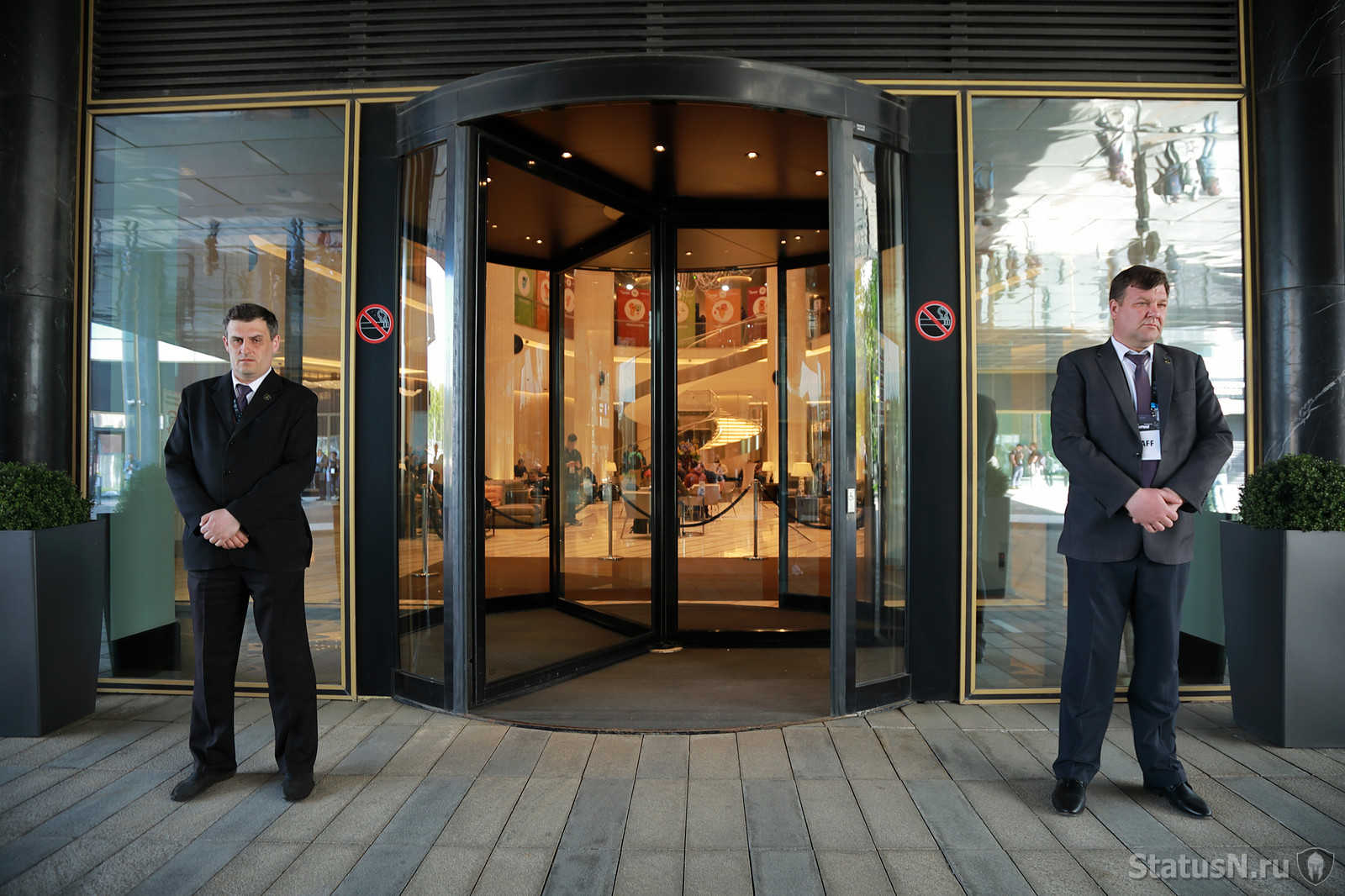
Hotel Security Goes Connected
Hotel security is no longer a back-office function hidden behind a keypad and a bored night manager. It is becoming a core layer of the connected hotel technology stack, and that shift has real consequences for operations, guest trust, and liability. As hotels race to unify check-in, room access, energy management, and staff workflows, security is being pulled into the same digital fabric. That sounds efficient until you realize every integration also creates a new attack surface, a new vendor dependency, and a new question: who actually owns the guest experience when something goes wrong? The answer is increasingly the same team that owns the property tech stack.
- Security is shifting from standalone hardware to platform-level infrastructure.
- Connected systems improve operations, but they also expand cyber and privacy risk.
- Hotels need tighter coordination between IT, facilities, and front-of-house teams.
- Guest expectations now include seamless access, visible safety, and faster incident response.
- The winners will treat hotel security as a strategic product, not just a cost center.
Why hotel security is now a platform problem
The modern hotel runs on integrations. Digital check-in, mobile keys, occupancy sensors, smart locks, video surveillance, elevator controls, and building automation are no longer separate silos. They are part of a living hotel security ecosystem that depends on real-time data sharing. That makes security both more capable and more fragile.
Traditionally, hotel security focused on physical protection: patrols, door locks, cameras, and incident response. Today, the scope has widened. A compromised guest app can affect room access. A poorly configured camera system can expose sensitive footage. A bad identity workflow can let unauthorized users into restricted spaces. The operational model has changed, and the technology architecture has changed with it.
Security is becoming a software-defined service inside hospitality, which means every operational convenience now has a corresponding governance burden.
The connected hotel security stack is getting denser
The phrase connected hotel technology stack is more than jargon. It describes a convergence that is reshaping how hotels manage safety and service at the same time. The stack now often includes:
Property management systemsthat coordinate guest profiles and room status.Mobile keyplatforms that replace or supplement plastic keycards.Access controlsystems for staff areas, elevators, gyms, and back-of-house zones.Video managementplatforms tied to analytics and alerts.IoTsensors that track occupancy, motion, temperature, and maintenance issues.Identity and access managementlayers that authenticate employees, contractors, and vendors.
This density is a feature, not a bug. When these systems communicate correctly, hotels can reduce friction, cut response times, and improve safety. A lost key can be disabled instantly. A suspicious access pattern can trigger an alert. A housekeeping issue can be correlated with a camera event. That kind of orchestration is what operators want.
But orchestration cuts both ways. Once these systems are interconnected, a failure in one layer can ripple across the rest. If the cloud identity provider is down, the front desk may not be able to issue credentials. If the access control integration breaks, staff may be locked out of critical areas. If device management is weak, one stale endpoint can become a foothold.
Why hotel security is becoming part of the connected hotel technology stack
The reason is simple: hotels are being judged on speed, convenience, and safety at the same time. Guests expect touchless service without feeling vulnerable. Operators want automation without surrendering control. Owners want lower labor costs without creating legal exposure. That pressure is forcing hotel security to sit at the center of technology decisions instead of on the sidelines.
Guest expectations have changed
Travelers now assume digital convenience is standard. They want mobile check-in, room access from a phone, and fewer lines at the front desk. Yet every step in that journey also carries a trust test. If the experience feels clunky, guests notice. If the experience feels unsafe, they remember.
Security is now part of brand perception. A hotel that deploys sleek mobile access but fails to protect guest identity data is taking on reputational risk. A property with visible cameras and fast incident response can make guests feel cared for. That feeling matters, especially in premium and urban markets where travelers have options.
Operations teams are demanding unified visibility
Hotels are under constant pressure to do more with less. Labor shortages, rising insurance costs, and tighter margins make fragmented systems expensive to maintain. Unified dashboards and shared alerts can help staff respond faster and avoid duplicated work. For example, when access control and video analytics are linked, security teams can verify incidents without physically checking every location.
This is where the connected model becomes persuasive. It can reduce noise, improve triage, and create a better record of what happened and when. In a property environment, that record is often the difference between a manageable incident and a costly dispute.
Ownership cares about risk, not just tools
Hotel owners and management groups are increasingly thinking in terms of enterprise risk. That includes physical security, cybersecurity, guest privacy, staff safety, and regulatory compliance. A connected stack that improves efficiency but increases breach risk is not a win. Investors want systems that scale, insulate margins, and reduce liability.
That is why procurement conversations are changing. Security hardware is no longer bought in isolation. It is being evaluated alongside cloud posture, vendor governance, API stability, service-level agreements, and support for future upgrades. The question has shifted from “Does it work?” to “Can it survive the rest of our stack?”
The hidden risks hotels cannot ignore
The connected approach is powerful, but hotels should not confuse integration with resilience. More connectivity means more dependencies, and more dependencies mean more failure modes.
Cybersecurity becomes physical security
For hotels, cyber incidents are no longer just IT problems. A compromised vendor account can disable cameras or expose footage. A phishing attack can lead to unauthorized credential issuance. A vulnerable management portal can create the conditions for unauthorized access to restricted areas. Once systems are linked, the boundary between digital and physical protection disappears.
That means hotels need stronger controls around multi-factor authentication, device lifecycle management, logging, least-privilege access, and vendor access reviews. They also need incident playbooks that assume the affected system may be both digital and physical at the same time.
Privacy issues are rising fast
Guest identity, movement patterns, and room access logs are sensitive data. Add cameras, occupancy sensors, and app-based interactions, and the hotel becomes a high-value data environment. Operators must decide what to collect, how long to keep it, who can see it, and how to respond to requests or breaches.
This is not just a legal checkbox. Guests are increasingly aware of surveillance and data misuse. If hotels over-collect or poorly protect information, trust erodes quickly. Transparency and data minimization are becoming competitive advantages.
Integration sprawl can create brittle operations
The more vendors a hotel uses, the harder it is to maintain a coherent security posture. Every integration point is another possible misconfiguration. Every update can break compatibility. Every cloud dashboard can become another admin surface that needs oversight.
Pro tip: treat integrations like critical infrastructure. Document them. Test them. Review them regularly. If nobody knows what depends on what, the stack is already brittle.
What smart hotel operators are doing now
The strongest operators are not chasing flashy features. They are building governance around the connected hotel security model. That starts with architecture and ends with daily discipline.
- Mapping every security-related system and its dependencies.
- Separating guest-facing convenience tools from sensitive back-of-house controls.
- Reviewing who has admin access to cameras, locks, and identity platforms.
- Testing failover behavior before peak travel periods.
- Aligning security, IT, and facilities around a shared incident response plan.
This is where many properties lag. Security is often split across departments, and no one owns the full chain of custody. The future belongs to hotels that make the connected stack legible to everyone who touches it.
Pro tip: run tabletop exercises that simulate both a cyber event and a physical incident. A stolen credential, a camera outage, or a failed mobile key system can rapidly turn into a front-desk crisis if teams have never rehearsed the response.
Why this matters for the next phase of hospitality tech
The next wave of hotel technology will not be judged only by convenience. It will be judged by whether it can deliver convenience without degrading trust. That is the real story behind hotel security becoming part of the connected hotel technology stack.
Expect more convergence between security vendors, cloud platforms, and hospitality software providers. Expect more emphasis on identity, telemetry, and centralized monitoring. Expect procurement teams to ask tougher questions about APIs, offline modes, breach response, and data retention. And expect guests to keep rewarding properties that make the experience feel both effortless and safe.
The smartest hotel brands will recognize that security is no longer a bolt-on. It is a design principle. If the stack is connected, security must be connected too – with enough governance to keep the whole system trustworthy.
The hotel of the near future will not just look smart. It will prove it can stay secure when every door, dashboard, and guest interaction is online.
The bottom line
Hotel security is evolving from a set of isolated tools into a core layer of the connected hotel technology stack. That transition brings better visibility, faster response, and a more seamless guest experience. It also demands stronger cybersecurity, tighter access controls, clearer ownership, and more disciplined operations. Hotels that get this right will reduce friction and improve trust. Those that do not will discover that convenience without control is just another risk surface.
The information provided in this article is for general informational purposes only. While we strive for accuracy, we make no guarantees about the completeness or reliability of the content. Always verify important information through official or multiple sources before making decisions.