Houston Chronicle Sharpens Breaking News
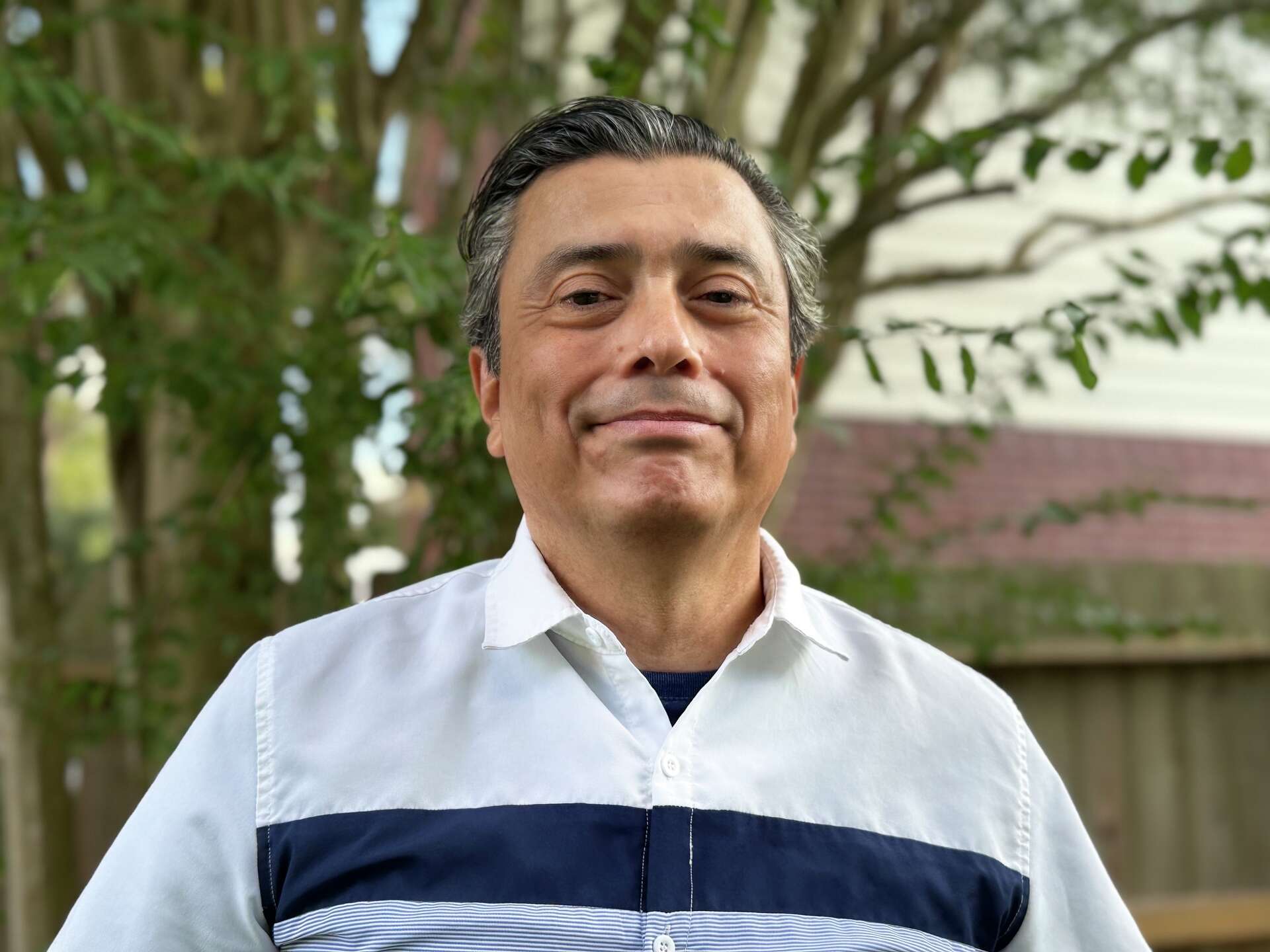
Houston Chronicle Sharpens Breaking News
Local news is no longer competing only with the paper across town. It is fighting push alerts, social feeds, group chats, police scanner accounts, and a public that expects verified answers in minutes. That is why the Houston Chronicle breaking news editor appointment matters beyond one newsroom personnel move. By naming Raquel Lozano to a key breaking news leadership role, the Chronicle is signaling that speed alone is not enough. The modern local newsroom has to move fast, verify faster, and still produce coverage with context that readers can trust when the story is chaotic, emotional, and unfinished.
- Raquel Lozano has been named breaking news editor, strengthening the Chronicle’s real-time coverage operation.
- The move reflects a broader industry shift toward faster, more disciplined local news workflows.
- Breaking news leadership now demands judgment, audience strategy, and verification under pressure.
- For Houston readers, the appointment could mean sharper coverage of public safety, weather, courts, politics, and civic life.
Why the Houston Chronicle Breaking News Editor Role Matters
The phrase breaking news editor can sound procedural, but inside a modern newsroom it is one of the highest-pressure jobs on the floor. This person is often the connective tissue between reporters, photographers, audience teams, copy editors, homepage producers, and senior editors. When a storm floods a freeway, a major trial reaches a verdict, a public official resigns, or a crisis unfolds at a school, the breaking news editor helps decide what gets published, when, and with how much certainty.
At a metro newsroom serving a city as sprawling and complex as Houston, that role becomes even more consequential. Houston is not a small, predictable news environment. It is a global energy capital, a Gulf Coast climate-risk zone, a medical powerhouse, a port city, a political battleground, and one of the most diverse metropolitan areas in the United States. News breaks here constantly, and often with regional or national implications.
Key insight: The best breaking news editors are not just fast. They are disciplined skeptics who know when to publish, when to hold, and when a single sentence needs three more minutes of reporting.
Houston Chronicle Breaking News Editor Strategy
Lozano’s appointment fits a broader shift in local media: newsrooms are rebuilding around urgency, expertise, and reader trust. The old model treated breaking news as a front door to the larger journalism product. The new model treats it as the product’s credibility test. If readers cannot trust a newsroom during a fast-moving event, they are less likely to trust its investigations, endorsements, newsletters, podcasts, or analysis later.
That reality has pushed editors to rethink the operating system of local journalism. A breaking news desk now needs clear escalation rules, strong sourcing standards, data awareness, search strategy, social distribution judgment, and a sober understanding of what misinformation looks like in the first hour of a major story.
Speed Is Valuable But Verification Is the Brand
The fastest post on the internet is rarely the most useful. In a crisis, readers want a newsroom to answer basic questions: What happened? Where did it happen? Who is affected? What do officials know? What is still unknown? What should people do next?
Those questions sound simple until the situation is fluid. Police reports may be incomplete. Public officials may be cautious. Eyewitness videos may lack context. Social media claims may be wrong, old, manipulated, or geographically misidentified. A strong breaking news editor creates a workflow that separates confirmed facts from emerging claims, then updates readers without overstating what the newsroom knows.
The Audience Has Changed
The modern reader does not wait for the morning homepage. They arrive through search, newsletters, alerts, Apple News-style feeds, Reddit threads, social posts, and direct links from friends. A breaking story may need multiple versions: a concise alert, a live update, a search-optimized explainer, a social card, and later a deeper reported piece.
That does not mean every newsroom should chase every platform trend. It means the editor must know how the public actually consumes urgent information. If a story involves road closures, public safety, weather risk, school disruption, or government accountability, the presentation matters almost as much as the reporting. Readers need clarity, not a maze.
What Lozano’s Appointment Signals
The Chronicle’s decision to elevate Lozano suggests an investment in editorial coordination. Personnel announcements are easy to dismiss as inside-baseball newsroom news, but leadership roles determine how journalism gets made. A talented reporter can break a story. A talented editor can build a system that helps an entire team break stories repeatedly, responsibly, and with impact.
That system matters in Houston because the coverage map is enormous. Breaking news can include crime, transportation, education, immigration, public health, extreme weather, energy infrastructure, city hall, state politics, and cultural flashpoints. No single reporter can own that universe. The editor’s job is to identify priorities, deploy talent, and maintain standards when the pressure rises.
Pro Tip For Newsrooms Watching This Move
Do not treat breaking news as a junior beat. Many outlets still assign urgent coverage to the least experienced staff, then wonder why the results feel thin or reactive. Breaking news requires institutional knowledge, legal awareness, source development, ethical discipline, and calm decision-making. A newsroom that invests in experienced editing at the breaking desk is investing in its public reputation.
The Bigger Local News Trend
Across the industry, local newsrooms are trying to solve the same puzzle: how to serve readers instantly without becoming another noisy feed. The answer is not simply more posts. It is better prioritization. The highest-performing local news operations increasingly focus on what readers cannot easily get elsewhere: verified local facts, accountability, context, and a clear explanation of why a development matters.
That is where the Chronicle has an advantage if it executes well. National outlets can parachute into Houston for disasters or political flashpoints, but they do not live in the rhythms of the city. A local newsroom knows which neighborhoods flood first, which agencies respond slowly, which court cases carry history, which school districts are under pressure, and which official statements need extra scrutiny.
- Trust: Readers reward outlets that correct quickly and explain what is known versus unknown.
- Utility: Breaking coverage should help people make decisions, not simply attract clicks.
- Continuity: The best urgent stories become deeper accountability reporting.
- Local fluency: Context is the moat that social platforms struggle to replicate.
Why This Matters For Houston Readers
For readers, the practical impact could be significant. A stronger breaking news operation can mean faster alerts during severe weather, clearer updates during public safety incidents, more responsive coverage of civic disruptions, and better follow-through after the initial headline fades.
That last point is crucial. Breaking news should not end when the scene clears. If a chemical leak forces evacuations, readers deserve to know what caused it, whether regulators were warned, and what happens next. If a major crash shuts down a freeway, coverage should eventually examine design, enforcement, or policy if patterns emerge. If a political scandal breaks, the newsroom should move from first confirmation to documents, timelines, and accountability.
The real test of a breaking news desk is not the first alert. It is whether the newsroom keeps asking sharper questions after everyone else moves on.
The Risk Of Getting It Wrong
The pressure to publish quickly is intense, and the costs of error are high. A misidentified suspect, an inflated casualty count, a misleading headline, or an unverified viral claim can damage real people and erode institutional trust. That is why editorial leadership matters. A breaking news editor must create guardrails: careful attribution, transparent updates, restrained language, and a culture where being second and right beats being first and wrong.
Digital news also never truly disappears. Mistakes can be screenshotted, indexed, recirculated, and used as proof that journalism is careless. The antidote is not timidity. It is rigor.
Houston Chronicle Breaking News Editor Impact
The most interesting question is what comes next. If Lozano’s leadership translates into more coherent coverage, readers may notice fewer fragmented updates and more useful story packages. The Chronicle could also sharpen its use of newsletters, live blogs, mobile alerts, and evergreen explainers tied to recurring Houston issues like hurricanes, heat, traffic, energy disruptions, and public safety.
There is also a business dimension. Local journalism depends on reader loyalty, and loyalty often begins during urgent moments. When a resident searches for a storm update, a school closure, a road shutdown, or a major local development, the outlet that provides the clearest answer earns a chance to become part of that reader’s daily routine. Strong breaking news is not just an editorial function. It is a subscription and retention strategy.
What Success Should Look Like
Success should not be measured only by pageviews. A healthier scorecard would include update speed, correction rates, reader engagement, newsletter conversions, source diversity, follow-up reporting, and whether coverage serves communities beyond the most visible parts of the metro area.
Houston’s diversity makes that especially important. A serious breaking news strategy must avoid over-covering some neighborhoods only through crime while under-covering their civic, cultural, and economic realities. It should also make urgent information accessible to readers who may be navigating language barriers, transportation challenges, or limited access to official channels.
The Bottom Line
Raquel Lozano’s appointment as a Houston Chronicle breaking news editor is more than a staffing update. It is a signal that one of Texas’ most important local newsrooms is putting renewed weight behind the fast, messy, high-impact journalism that defines reader trust in real time.
The opportunity is clear: build a breaking news operation that is quick without being reckless, authoritative without being opaque, and ambitious enough to turn urgent updates into lasting accountability. In a city where the next major story can arrive with a storm cell, a court filing, a refinery incident, or a city hall decision, that kind of leadership is not optional. It is the newsroom’s front line.
The information provided in this article is for general informational purposes only. While we strive for accuracy, we make no guarantees about the completeness or reliability of the content. Always verify important information through official or multiple sources before making decisions.


