Hypermiling Beats Gas Prices
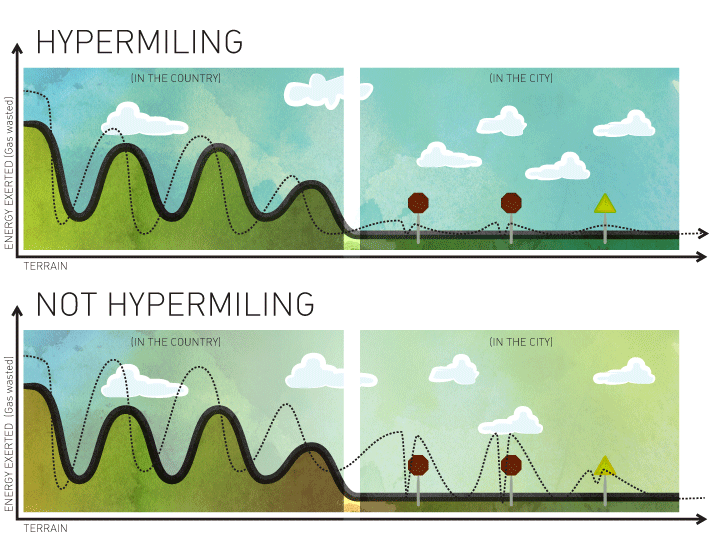
Hypermiling Beats Gas Prices
Gas prices have turned ordinary commutes into a weekly budget shock, and drivers are hunting for control wherever they can find it. That is why hypermiling is moving from niche obsession to mainstream survival tactic. The pitch is simple: drive smarter, burn less fuel, and squeeze more miles out of the car you already own. But the reality is more complicated. Some techniques are safe, practical, and surprisingly effective. Others are risky stunts dressed up as efficiency. The best version of hypermiling is not about crawling through traffic or annoying everyone behind you. It is about understanding momentum, maintenance, route planning, and the hidden energy costs baked into everyday driving.
- Hypermiling can improve fuel economy without buying a new car.
- Safe techniques focus on smooth acceleration, tire pressure, speed control, and anticipation.
- Extreme tactics can be dangerous, illegal, or damaging to your vehicle.
- The biggest gains often come from changing habits, not adding gadgets.
- As fuel prices rise, efficient driving is becoming a practical financial strategy.
Why Hypermiling Is Back
Every spike at the pump creates a new wave of fuel-saving hacks. Most fade quickly. Hypermiling keeps returning because it addresses a stubborn truth: many drivers waste fuel without realizing it. Hard launches at green lights, late braking, underinflated tires, roof racks, excessive idling, and high-speed cruising all tax your wallet one mile at a time.
The modern car makes this both easier and harder. On one hand, dashboards now display real-time MPG, average fuel economy, range estimates, and sometimes even efficiency coaching. Hybrids and plug-in hybrids add regenerative braking data and electric-only range feedback. On the other hand, heavier vehicles, bigger wheels, aggressive acceleration modes, and highway speeds can erase those gains fast.
The smartest hypermilers are not trying to beat traffic. They are trying to stop fighting physics.
That distinction matters. Fuel economy is fundamentally about energy management. Every time you accelerate a two-ton vehicle, you spend energy. Every time you brake, you throw much of that energy away as heat, unless your car has regenerative braking. Hypermiling works because it makes the driver more aware of that exchange.
Hypermiling Techniques That Actually Work
The safest and most effective strategies are usually boring. That is good news. Boring means repeatable. Boring means legal. Boring means you can use them during a Tuesday commute without turning your car into a rolling science project.
Drive Like Momentum Is Money
The core habit is anticipation. Look far ahead, read traffic lights, and ease off the accelerator before congestion forces you to brake. If a red light is visible half a block away, racing toward it is just a more expensive way to stop.
Smooth acceleration matters too. You do not need to crawl away from every stop sign, but stomping the pedal spikes fuel consumption. Keep engine load moderate and avoid unnecessary high RPM. In hybrids, gentle starts can help maximize electric assist, while steady cruising keeps the gas engine in a more efficient range.
Control Speed Without Becoming a Hazard
Speed is one of the biggest fuel economy killers. Aerodynamic drag rises sharply as speed increases, especially above typical highway limits. Driving at 75 instead of 65 can take a meaningful bite out of MPG, particularly in trucks and SUVs.
The practical move is not to become the slowest object on the road. It is to settle into a safe, legal, consistent speed and avoid pointless surges. If conditions allow, adaptive cruise control can help reduce speed fluctuation. But drivers should still monitor terrain and traffic, because automated systems may brake and accelerate more often than a skilled human would.
Keep Tires and Maintenance Boringly Perfect
Underinflated tires create rolling resistance, which forces the engine or motor to work harder. Check tire pressure when the tires are cold and follow the vehicle manufacturer’s recommended PSI, usually found on the driver-side door placard. Do not inflate far beyond recommended levels in pursuit of tiny efficiency gains. That can reduce grip, worsen tire wear, and compromise braking.
Maintenance also matters. A clogged air filter, old spark plugs, dragging brakes, poor alignment, or low-quality oil can reduce efficiency. For gasoline cars, keeping the engine healthy protects fuel economy. For hybrids and electric vehicles, tire condition, alignment, and software updates can make a noticeable difference.
Hypermiling Techniques To Avoid
The culture around hypermiling has always had a fringe: drivers drafting behind trucks, shutting off engines while moving, rolling through stop signs, overinflating tires, or coasting downhill in neutral. These tactics can be unsafe, illegal, mechanically harmful, or all three.
- Do not draft large trucks. Following too closely reduces reaction time and can be deadly.
- Do not switch off the engine while moving. You can lose power steering, brake assist, and critical control systems.
- Do not coast in neutral on steep grades. It may reduce control and does not always save fuel in modern cars.
- Do not obstruct traffic. Efficiency is not a license to create road hazards.
- Do not exceed tire pressure recommendations. Grip and braking performance matter more than fractional gains.
Modern engines often use deceleration fuel cut-off, meaning they may burn little or no fuel when you lift off the accelerator while in gear. That makes old-school neutral coasting less useful than many drivers assume. In some cases, staying in gear is safer and just as efficient.
Why Hypermiling Matters Beyond Your Gas Bill
The immediate appeal is obvious: lower fuel costs. But the larger story is about behavior. Automakers can build more efficient vehicles, governments can push emissions standards, and energy markets can shift. Yet the person behind the wheel still controls a surprising amount of real-world consumption.
For households that cannot afford a new hybrid or electric vehicle, hypermiling is one of the few available upgrades that costs almost nothing. That makes it especially relevant when inflation, insurance premiums, loan payments, and maintenance costs are already stretching budgets.
There is also a climate angle. Burning less fuel means fewer emissions. The effect of one driver may look small, but repeated across millions of vehicles, smoother driving and better maintenance can reduce fuel demand. It is not a substitute for cleaner transportation systems, but it is a practical bridge for the cars already on the road.
Hypermiling For Hybrids and EVs
Hypermiling is not just for gasoline cars. Hybrid drivers can benefit even more because they have direct feedback from energy flow displays. The trick is to maximize regenerative braking, avoid aggressive acceleration that forces the gas engine to work harder, and use electric assist strategically.
For EV drivers, the language changes from MPG to kWh per mile, but the physics stay familiar. Speed, tire pressure, temperature, terrain, and acceleration all affect range. Smooth inputs and planned braking help preserve battery energy. Preconditioning the cabin while plugged in can also reduce load during the drive.
One important caution: do not obsess over the dashboard. Efficiency displays are useful, but the road deserves your attention. Treat the data as coaching, not a video game score.
A Practical Hypermiling Plan For This Week
You do not need to overhaul your driving overnight. Start with a simple seven-day reset.
- Day 1: Check tire pressure and restore it to the recommended
PSI. - Day 2: Remove unnecessary cargo, roof boxes, and external accessories when not in use.
- Day 3: Track your baseline
MPGor energy use for a normal commute. - Day 4: Practice earlier lift-off before red lights and traffic slowdowns.
- Day 5: Hold a steadier highway speed and avoid unnecessary lane changes.
- Day 6: Test an alternate route with fewer stops, even if it is slightly longer.
- Day 7: Compare fuel economy and decide which habits felt natural enough to keep.
Pro tip: the best route is not always the shortest. A route with fewer stoplights, less congestion, and steadier speeds can use less fuel than a shorter route filled with braking and acceleration.
The Future Of Hypermiling
The next phase will be more automated. Navigation apps already estimate arrival time with stunning precision. The logical next step is efficiency routing that weighs traffic, elevation, stop frequency, and charging or fuel costs. Cars with connected powertrains could eventually coach drivers in real time based on terrain and conditions.
Insurance companies may also take interest. If telematics can detect hard braking and speeding, they can also identify efficient driving patterns. That raises privacy concerns, but it also suggests fuel-conscious driving could become part of broader mobility scoring.
Automakers have a role too. Better dashboard feedback, smarter eco mode tuning, and predictive cruise systems can help average drivers capture gains without studying hypermiling forums. The challenge is making efficiency feel empowering rather than punitive.
The Bottom Line On Hypermiling
Hypermiling is not magic, and it is not a replacement for public transit, cleaner vehicles, or better energy policy. But it is one of the rare money-saving strategies that drivers can apply immediately. The safe version is simple: maintain your car, slow down a little, accelerate smoothly, brake less often, and plan smarter routes.
The extreme version deserves skepticism. Saving a few cents is not worth tailgating a semi or sacrificing control of your vehicle. But the disciplined version deserves attention, especially as gas prices keep reminding drivers how exposed they are to forces they cannot control.
Efficiency is not about driving timidly. It is about driving deliberately.
That is the real appeal. Hypermiling turns every commute into a small act of resistance against waste. Not glamorous, not flashy, but increasingly hard to ignore.
The information provided in this article is for general informational purposes only. While we strive for accuracy, we make no guarantees about the completeness or reliability of the content. Always verify important information through official or multiple sources before making decisions.