ICE Shock Gloves Raise the Stakes
ICE Shock Gloves Raise the Stakes
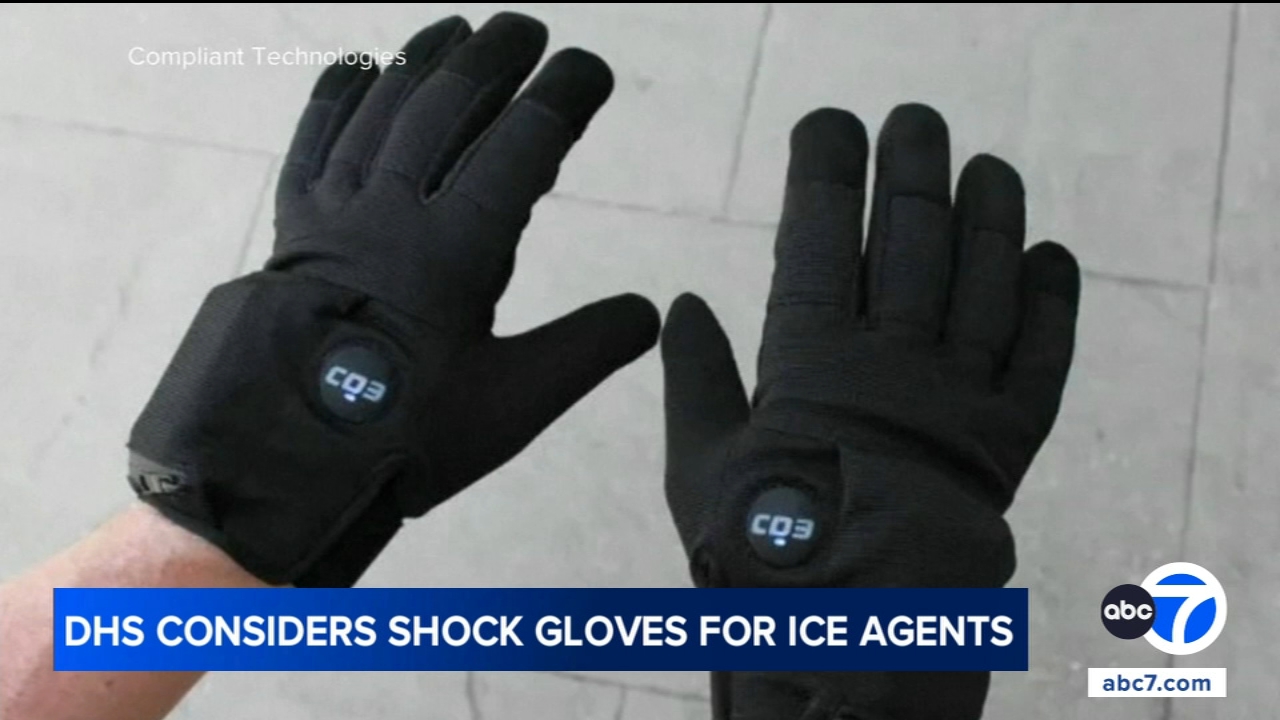
ICE’s reported purchase of electric shock gloves is the kind of move that instantly changes the conversation around enforcement tech. It is not just about a new tool in a cabinet. It is about what happens when a federal agency normalizes devices that blur the line between restraint, intimidation, and force. For officers, supporters may frame the gear as a safer alternative to harsher options. For critics, it is another step toward making pain a product and coercion a procurement line item. The real issue is bigger than one device: if an agency with vast authority starts broadening its nonlethal arsenal, the policy, legal, and ethical ripple effects can reach detention centers, courtrooms, and public trust. That makes the ICE shock gloves story worth more than a headline. It is a signal.
- ICE shock gloves could reshape the boundaries of nonlethal force.
- The purchase raises questions about training, oversight, and accountability.
- Supporters will argue the gloves reduce escalation, while critics see a coercive new threat.
- The bigger story is how enforcement tech gets normalized before policy catches up.
- Expect scrutiny around procurement, use-of-force rules, and civil liberties.
Why the ICE shock gloves story matters now
At first glance, the idea sounds almost absurdly specific: gloves that deliver an electric shock. But that specificity is the point. Modern enforcement agencies rarely adopt force tools in the abstract. They buy gear that promises a narrow use case, a cleaner safety profile, or a more controlled alternative to blunt force. The result is often a quiet expansion of what officers can carry and what suspects might fear.
The phrase ICE shock gloves sits squarely in that uneasy territory. If an agency can justify shock-based gloves as a compliance tool, the next question is obvious: how is this different, operationally and psychologically, from other force options already under debate? And if the answer is “it is more precise,” that precision still needs to be tested against a harder standard: does it reduce harm, or merely repackage it?
When a force tool is marketed as safer, the burden shifts to the agency to prove it is safer in practice, not just in procurement language.
What ICE is signaling with the purchase
Procurement is policy with a receipt. Agencies do not spend money on gear unless they believe it solves a real operational problem, or at least a political one. In this case, the purchase suggests a desire for more flexible control options in close-contact situations where officers may want an immediate deterrent without escalating to more visibly severe measures.
That sounds tidy on paper. In practice, the introduction of a tool like this can alter behavior across the chain of command. Officers may feel newly empowered to use force earlier. Supervisors may face pressure to permit it under broad circumstances. Training units may be forced to build scenarios around a device that sits somewhere between a restraint aid and a pain-compliance instrument.
ICE shock gloves are not just hardware. They are a behavioral cue. And once a tool enters the field, it can change the threshold for what feels acceptable.
Procurement often outpaces policy
That mismatch is common in public-sector tech. First comes the purchase order. Then comes the memo. Then comes the legal review. By the time oversight catches up, the device may already be embedded in routine use. That sequence is one reason civil liberties groups tend to focus on acquisition itself, not just deployment.
With a tool like shock gloves, the questions are immediate:
- What training is required before deployment?
- Under what conditions is use authorized?
- How is misuse documented and reviewed?
- What medical risks are disclosed to detainees or subjects?
If those answers are vague, the technology becomes a liability disguised as innovation.
ICE shock gloves and the problem with “nonlethal”
The word nonlethal has always been more marketing category than moral guarantee. It can describe anything from pepper spray to stun devices, but the label often obscures the actual question: how much harm is considered acceptable in the name of control?
Electric shock-based tools can produce pain, panic, and unpredictable reactions. That does not automatically make them unusable, but it does mean their deployment should be narrow, well-documented, and aggressively audited. The danger is not only direct injury. There is also the risk of misuse in environments where power asymmetry is already extreme, like immigration detention or transport situations involving vulnerable people.
Calling a device nonlethal does not answer the more important question: is it proportionate, necessary, and accountable?
That distinction matters because agencies often lean on the nonlethal label to defuse public criticism. But public trust is not won by euphemism. It is earned by transparent rules, independent review, and measurable restraint.
The operational logic behind ICE shock gloves
If you strip away the controversy, the appeal is easy to understand. Law enforcement agencies want tools that can:
- Create immediate compliance at close range.
- Reduce the need for higher-force physical struggle.
- Give officers another option before escalation.
- Fit into existing use-of-force frameworks.
That logic is why so many agencies continuously expand their less-lethal inventories. The theory is that more options mean fewer injuries. Yet the evidence problem never goes away. More options can also mean more opportunities to use force sooner, more often, and in contexts where de-escalation might have worked better.
From a technology perspective, the key variable is not whether the device works. It is whether the device changes decision-making in the field. If ICE shock gloves make officers more likely to choose force over communication, the tool may solve one problem while creating another.
The use-case question is everything
The ethical assessment depends heavily on who is wearing the gloves, under what authority, and in what setting. Border enforcement is not the same as crowd control. Detention is not the same as active resistance during an arrest. A tool that seems narrowly tailored in one setting can become far more dangerous when transplanted into another.
That is why experts usually push for strict scenario-based rules, not broad discretionary language. If the agency cannot define the exact operational envelope, the risk of abuse grows fast.
What oversight should look like
This is where the story stops being about shock gloves and starts being about governance. A serious oversight framework would demand:
- Clear policy language defining authorized use.
- Mandatory training with documented certification.
- Incident reporting for every deployment.
- Medical review after any exposure.
- Independent audits to detect misuse patterns.
Without those controls, the purchase looks less like a measured safety upgrade and more like a shortcut around hard conversations about force. Public agencies love the language of modernization, but modernization without governance is just faster risk.
Pro tip: When evaluating any force technology, ask who audits it, who can challenge it, and who bears responsibility when it goes wrong. If those answers are unclear, the system is not mature enough for deployment.
The wider tech trend behind ICE shock gloves
This story fits a larger pattern in public safety technology. Agencies keep adopting tools that promise precision, efficiency, and lower injury rates. Some of those claims hold up. Others collapse under real-world use. The gap between the lab and the field is where most public-tech controversies live.
We have seen this before with surveillance systems, biometric tools, and algorithmic decision aids: a device gets introduced as a narrow fix, then expands through institutional habit. Once officers train on it, carry it, and justify its presence, the technology starts to feel inevitable. That inevitability is often the most politically powerful feature of all.
The phrase ICE shock gloves may sound like a niche procurement story, but it is really a preview of how enforcement tech evolves. Start with a tool framed as safer. Normalize it through training. Defend it through policy language. Then watch as the public learns about it after the fact.
Why skepticism is the right default
Healthy skepticism is not anti-safety. It is pro-accountability. If a device truly reduces injury, improves control, and limits escalation, it should survive scrutiny. If it cannot, then the marketing is doing too much of the work.
That is especially important when the agency in question already operates under intense civil rights scrutiny. Public confidence depends on the belief that force is used sparingly, not creatively. A new coercive tool can erode that confidence even if it never becomes widely used.
What could happen next
Expect the debate to move quickly from the purchase itself to the rules around deployment. Watch for internal guidance, training materials, and any public records that clarify the intended use of the gloves. If the agency positions them as a rare contingency tool, critics will ask whether the rules are specific enough to enforce. If it markets them as a safer alternative, advocates will demand evidence.
There is also a broader political risk. Once a controversial device enters the ICE toolkit, it may become a symbol for how force is being reimagined across federal enforcement. That symbolism can outlast the actual hardware.
In other words, ICE shock gloves are not just about one procurement decision. They are about the next phase of a long-running debate over how much pain the state should be allowed to package as safety.
The bottom line
This is not a gadget story. It is a power story. The purchase of electric shock gloves by ICE raises familiar but urgent questions about where force begins, how it is justified, and who gets to decide when pain is acceptable. If the agency cannot answer those questions with precision, transparency, and restraint, then the technology will do what so many enforcement tools have done before it: expand the reach of the state faster than the rules meant to contain it.
That is why this matters. Not because the gloves are flashy, but because they reveal how quickly controversial tools can move from concept to custody.
The information provided in this article is for general informational purposes only. While we strive for accuracy, we make no guarantees about the completeness or reliability of the content. Always verify important information through official or multiple sources before making decisions.


