Iñárritu Digger Roars Back
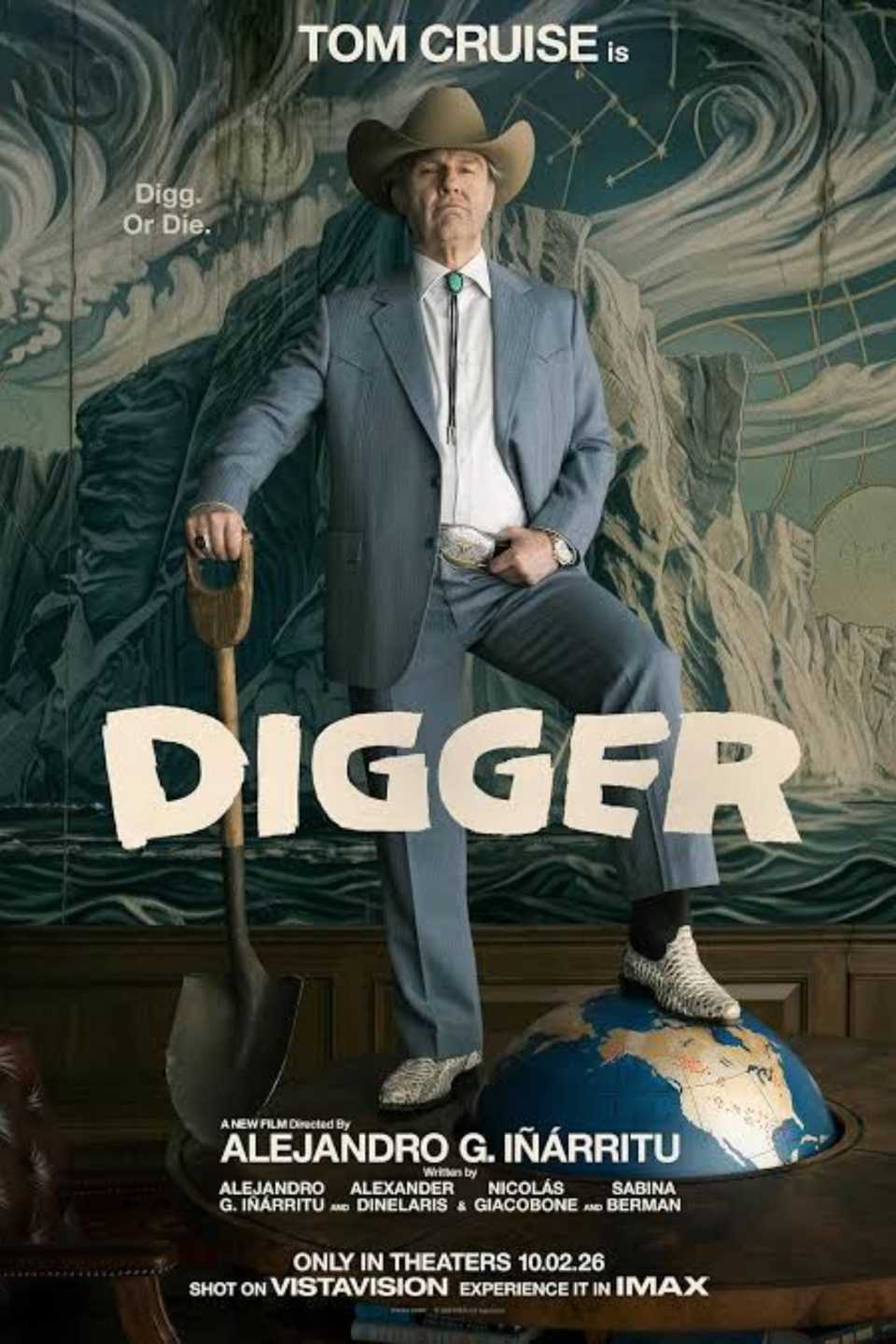
Iñárritu Digger Roars Back
Hollywood has spent years training audiences to expect safe bets: sequels, universes, recycled icons, and algorithms wearing movie-star sunglasses. That is exactly why Alejandro G. Iñárritu Digger feels like a jolt to the system. A major filmmaker returning with a project built around scale, authorship, and discomfort is not just another release-calendar entry. It is a test of whether prestige cinema can still act like an event without flattening itself into franchise logic. For viewers tired of polished sameness, this is the promise: a movie that may be messy, obsessive, and polarizing, but unlikely to feel factory-made. For the industry, the stakes are sharper. If Digger lands, it could prove that adult-skewing, director-driven spectacle still has commercial oxygen.
- Alejandro G. Iñárritu Digger positions the filmmaker back in the center of serious studio conversation.
- The project arrives as Hollywood weighs auteurs against safer franchise economics.
- Iñárritu’s style suggests a film built on intensity, formal control, and emotional pressure.
- The biggest question is whether audiences still want difficult prestige cinema at blockbuster scale.
Alejandro G. Iñárritu Digger is not just another auteur comeback
Iñárritu has never been a casual filmmaker. His best-known work tends to operate like a pressure chamber: bodies in motion, egos collapsing, guilt metastasizing, cameras refusing to blink. That makes Digger immediately interesting, because the title itself suggests excavation. Not just of earth or crime or history, but of buried motives. In an Iñárritu film, digging is rarely literal for long.
The smarter way to read this project is not as a simple return, but as a collision between two versions of modern cinema. On one side is the old prestige model, where a singular director could command budgets, stars, and awards-season oxygen. On the other is the new attention economy, where even acclaimed filmmakers must justify every expensive swing against global box office, streaming behavior, and social chatter.
The real drama around
Diggermay not be what it is about. It may be whether the market still rewards films that ask audiences to surrender rather than scroll.
That is the tension that makes the film matter before a frame reaches most viewers. Iñárritu is not a low-risk brand. He is a high-voltage one. Studios and distributors do not back filmmakers like this because the spreadsheet is comfortable. They do it because the upside is cultural dominance: headlines, awards, premium formats, and the kind of conversation that cheaper content cannot manufacture.
Why Alejandro G. Iñárritu Digger matters now
The timing is crucial. The theatrical business is still rebuilding its identity after years of disruption. Superhero fatigue is real. Streaming has trained audiences to wait. Mid-budget adult dramas have been squeezed. Meanwhile, theatrical winners increasingly fall into two camps: massive intellectual property or true-event cinema that feels too urgent to ignore.
Digger has the potential to occupy a third lane: the authored spectacle. That category is rare but powerful. It is not a small character study, and it is not a brand extension. It is the kind of film sold on scale, mystery, performance, and the personality of the director. Think less content pipeline, more cinematic dare.
The Iñárritu signature is control under chaos
Iñárritu’s visual grammar often depends on orchestrated instability. The audience feels the scene wobble, but the craft underneath is intensely calibrated. His use of long take construction, immersive sound, and physical performance can make a film feel less watched than endured. That can be exhilarating. It can also be exhausting.
For Digger, that duality is the selling point and the risk. If the film leans into psychological excavation, it may reward viewers who want cinema to push back. If it overplays solemnity, it may give skeptics exactly what they expect: prestige cinema straining under its own importance.
Pro Tip for viewers
Do not approach an Iñárritu release as passive entertainment. His films typically reward attention to rhythm, blocking, silence, and repetition. Watch how characters move through space. Watch what the camera refuses to cut away from. In his work, technique is not decoration. It is often the argument.
The risk of making serious cinema feel massive
One of the recurring problems for ambitious filmmakers today is scale. Too small, and a movie can disappear into the streaming abyss. Too big, and it inherits blockbuster expectations that may be hostile to ambiguity. Digger appears to sit in that dangerous middle: large enough to be scrutinized as an event, personal enough to resist easy marketing.
That is where Iñárritu’s reputation becomes both asset and liability. His name signals ambition, awards credibility, and technical bravado. It also signals intensity, and not every viewer wants to spend two hours inside a moral furnace. The campaign will need to sell urgency without making the film look like homework.
- The theatrical hook: immersive images, major performances, and the promise of scale.
- The prestige hook: a filmmaker with a proven appetite for risk and formal experimentation.
- The audience challenge: convincing casual moviegoers that difficulty can be thrilling.
- The industry lesson: original adult cinema needs event-level packaging to survive.
The star factor and the burden of expectation
Any Iñárritu project inevitably becomes a performance showcase. His actors are often asked to surrender vanity, comfort, and sometimes even conventional likability. The results can be career-defining because the camera seems to demand confession. It lingers until performance becomes exposure.
That kind of collaboration can generate awards heat, but it also raises expectations to almost unfair levels. Viewers do not come merely asking whether the movie works. They ask whether it is transformative. That is a brutal standard, but it is also the price of making cinema that announces itself as major.
Prestige filmmaking has a paradox: the more seriously it takes itself, the more effortlessly alive it must feel.
If Digger carries the emotional force suggested by its premise and pedigree, it could become one of those rare films that bridges cinephile obsession and mainstream curiosity. If it does not, the backlash will be swift, because modern audiences have little patience for grandeur without payoff.
What Digger could signal for Hollywood
The broader implication is bigger than one movie. Hollywood is searching for a replacement mythology. The last decade leaned heavily on shared universes and nostalgia engines. Those machines still matter, but they no longer feel invincible. Audiences have become more selective, and theatrical attention has become a premium commodity.
A successful Digger would strengthen the argument that filmmakers with distinct identities can still create marketable events. Not every original film needs to be small. Not every ambitious release needs to hide on a platform. And not every adult drama needs to apologize for being serious.
But success will depend on execution beyond the film itself. The rollout must understand that modern prestige is built across multiple arenas: festival momentum, premium screens, social video, critical debate, and audience word of mouth. The old awards-season playbook is not dead, but it is no longer enough on its own.
Why this matters for moviegoers
If projects like Digger thrive, viewers get a healthier film ecosystem. More tonal variety. More adult stories. More room for directors whose ideas cannot be reduced to brand management. If they fail, studios will receive the message they are always ready to hear: originality is too risky, and the safest path is more of what already exists.
That is why even skeptical viewers should care. You do not have to love every Iñárritu swing to want a marketplace where such swings are possible. Cinema needs elegant crowd-pleasers, grim experiments, dumb fun, and impossible objects. Remove the impossible objects, and the whole medium gets flatter.
The verdict before the verdict
Alejandro G. Iñárritu Digger already carries the smell of a high-stakes bet: serious talent, big expectations, and a marketplace that does not forgive confusion. That is exactly what makes it compelling. Safe films rarely tell us much about where the industry is headed. Risky ones do.
The best-case scenario is electrifying: a muscular, strange, emotionally punishing film that reminds audiences why directors still matter. The worst-case scenario is familiar: a beautifully controlled monument to its own ambition. Either way, Digger is positioned to become a conversation piece, and in a culture drowning in disposable releases, that alone is not nothing.
Iñárritu has always seemed less interested in comfort than in impact. If Digger delivers, it will not simply mark another entry in his filmography. It will make a sharper claim: that the future of prestige cinema belongs not to the safest storyteller, but to the one still willing to dig until something dangerous turns up.
The information provided in this article is for general informational purposes only. While we strive for accuracy, we make no guarantees about the completeness or reliability of the content. Always verify important information through official or multiple sources before making decisions.